Stalingrad ruins
1344×768 · AVIF · CC BY 4.0
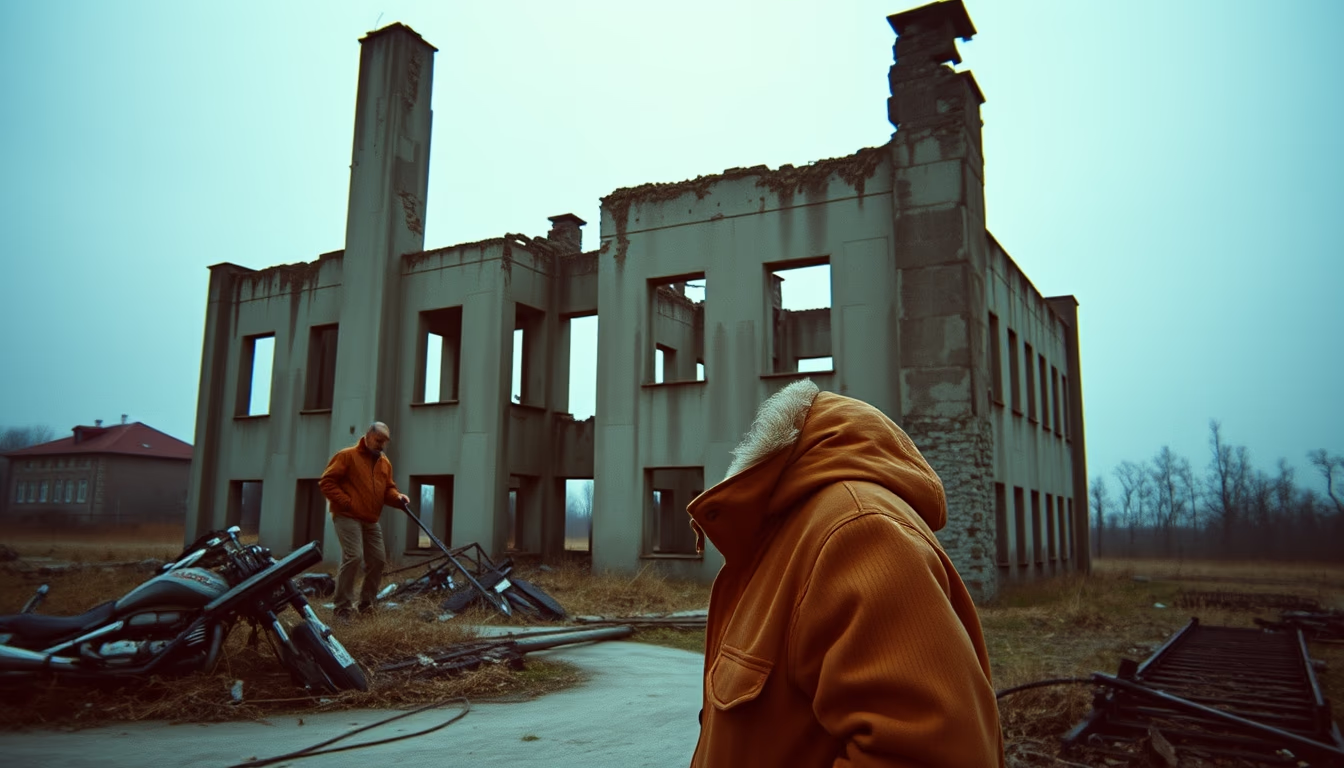
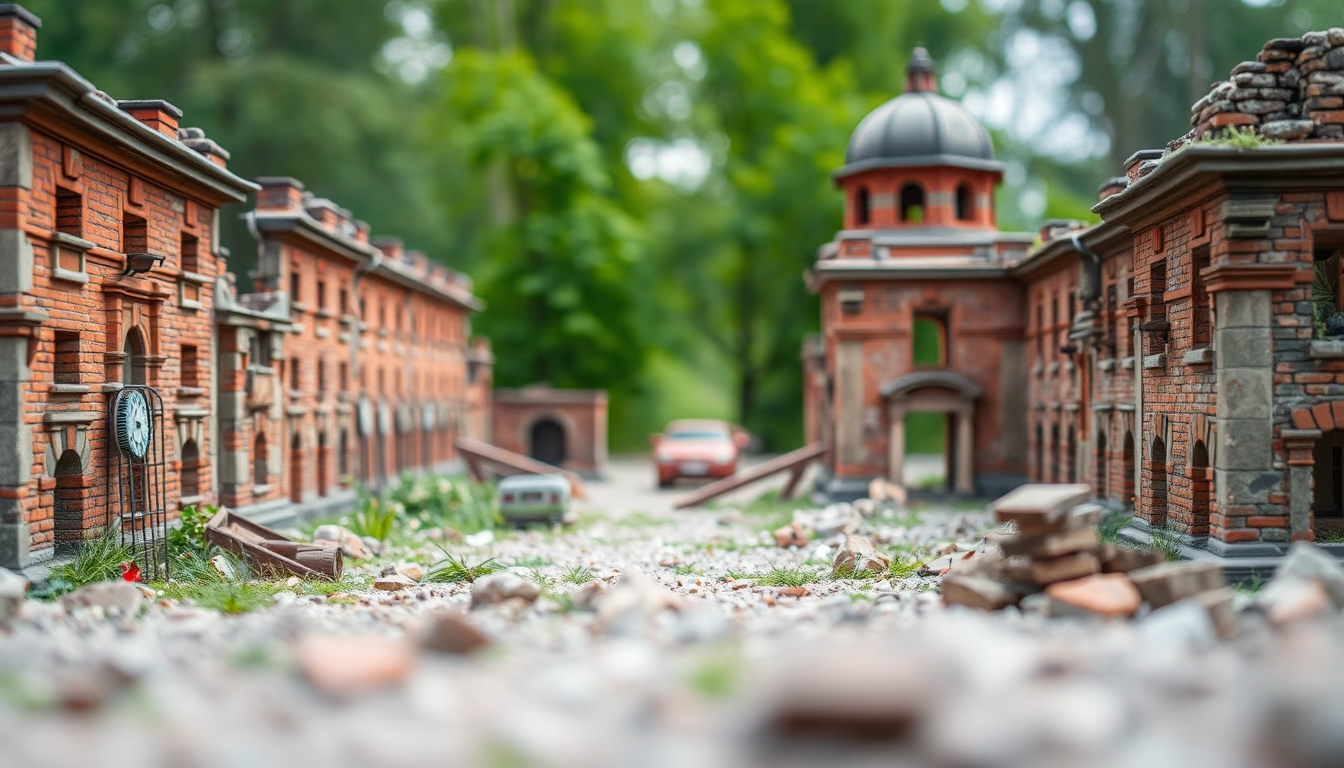
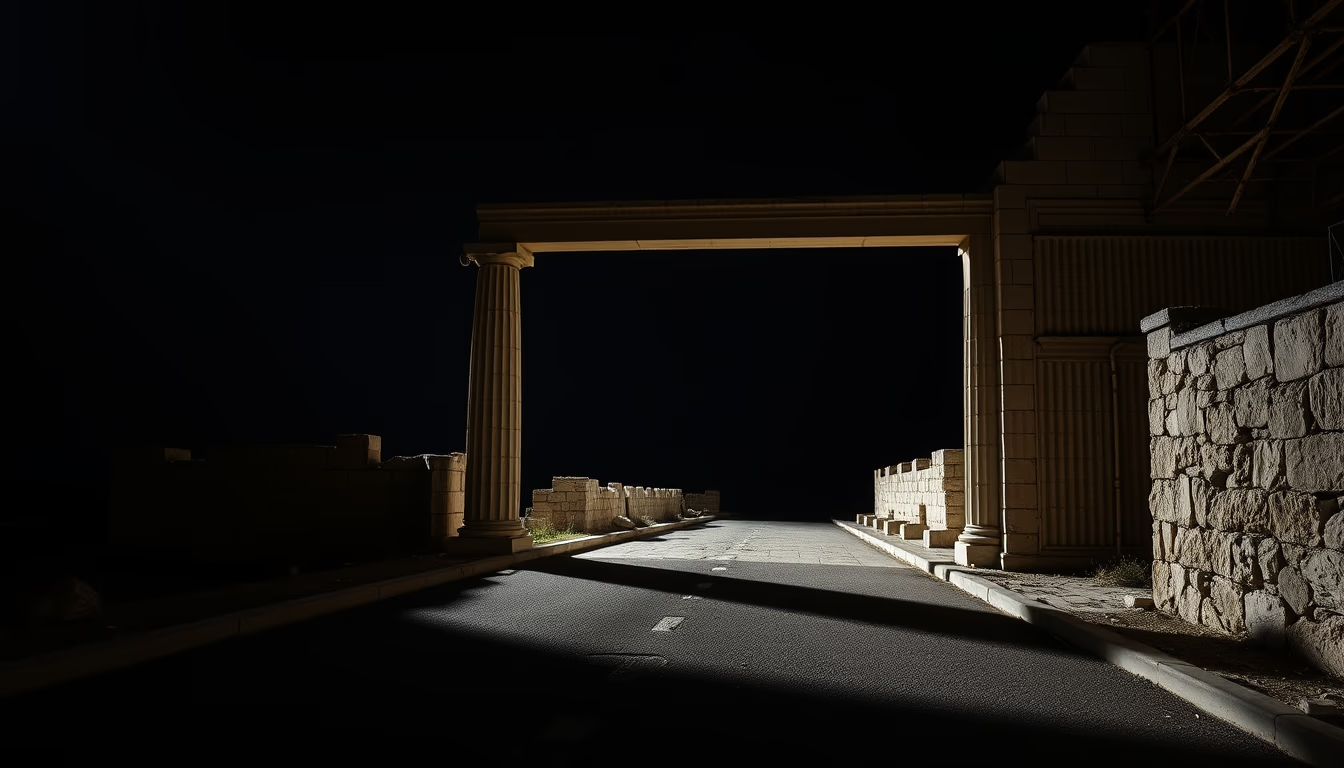
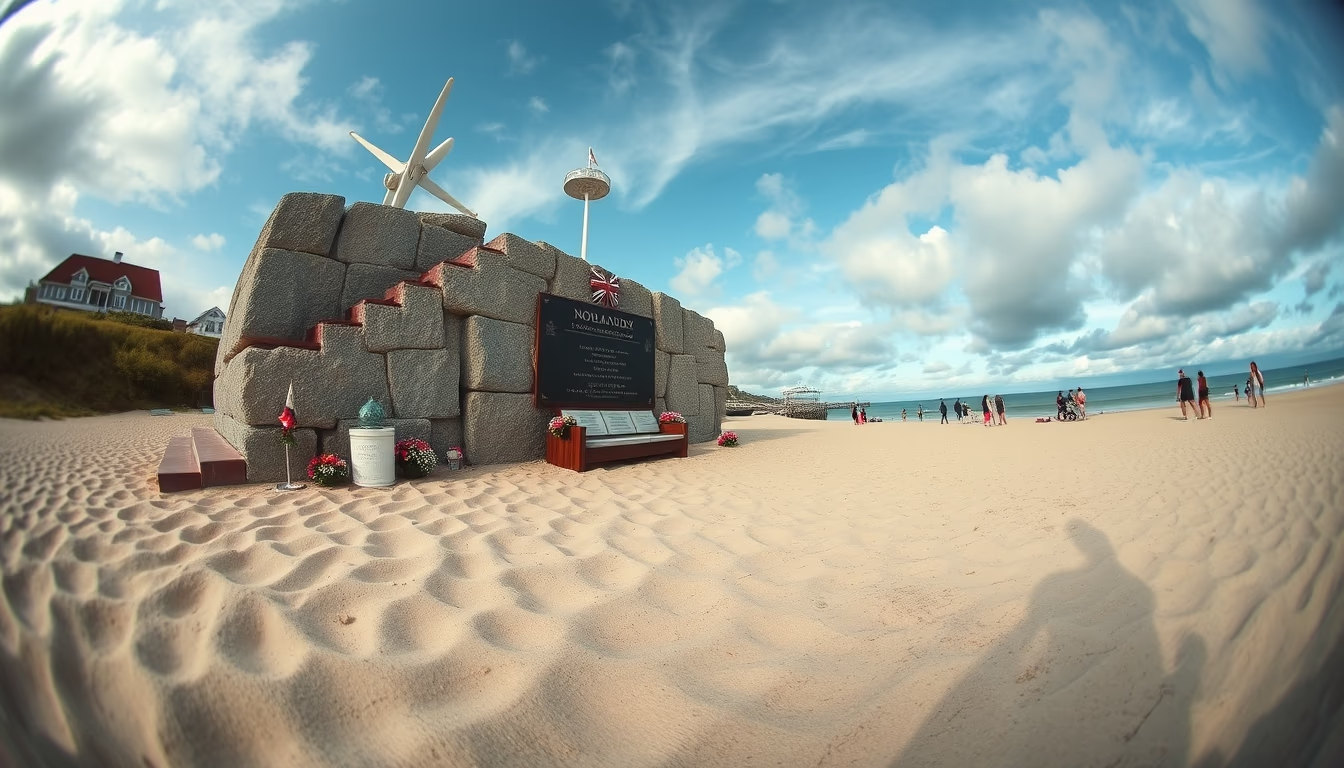
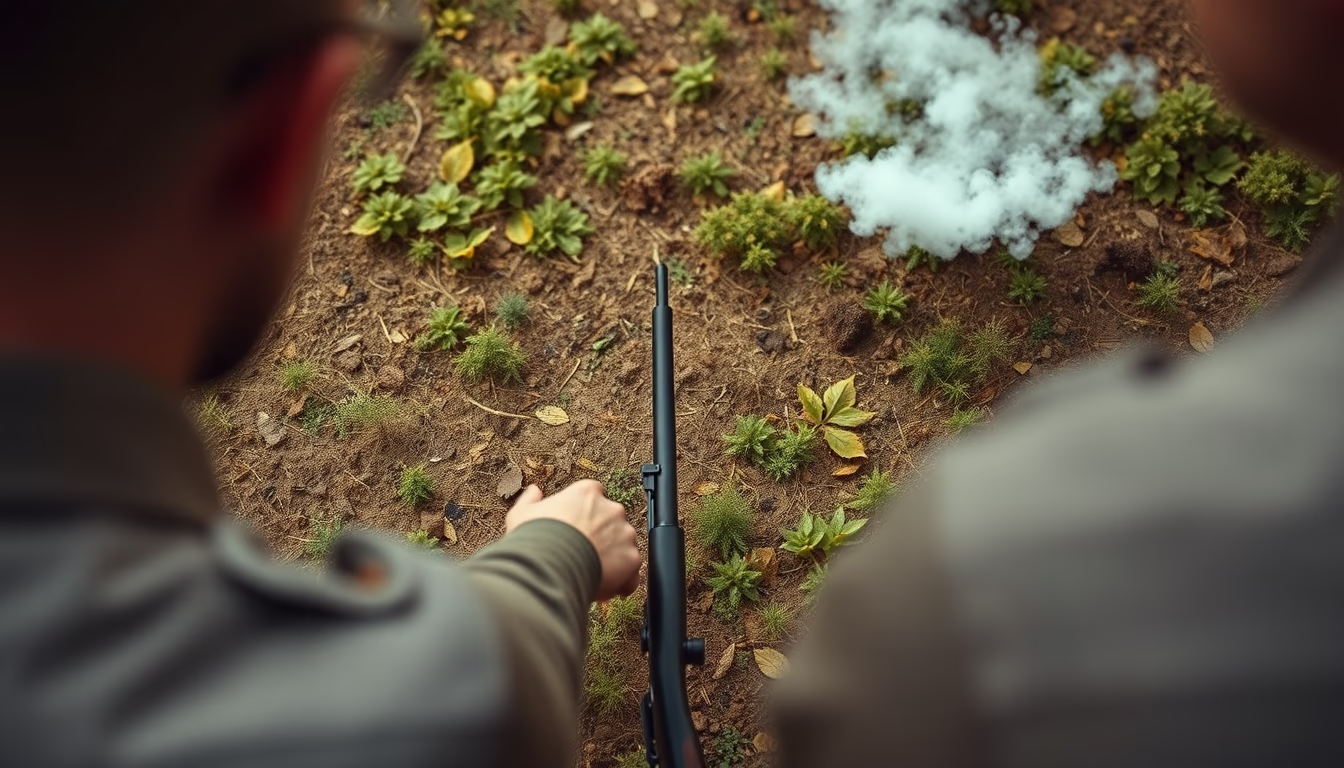
The ruins of Stalingrad symbolize the brutality and turning point of World War II on the Eastern Front, where millions died in urban combat.
About this subject
The Battle of Stalingrad, fought from August 23, 1942, to February 2, 1943, was the largest and bloodiest confrontation of World War II. An estimated 2 million people, soldiers and civilians alike, lost their lives. The city, strategically located on the Volga River, was a vital industrial center and gateway to the Caucasus oil fields. Hitler ordered its capture at all costs, while Stalin decreed no retreat, turning every building into a fortress.
Hand-to-hand combat amidst factory and residential ruins became legendary. Factories such as the Tractor, Barricades, and Red October continued producing tanks and weapons under enemy fire, with workers fighting alongside soldiers. The Red Army employed street-fighting tactics like snipers and assault groups to wear down the German 6th Army. The siege culminated with the Soviet counteroffensive (Operation Uranus) and the encirclement of German troops, who surrendered in February 1943.
After the battle, the city was 99% destroyed. Images like this show piles of rubble, charred structures, and a lunar landscape. Reconstruction was slow; only in the 1950s did the city regain basic infrastructure. In 1961, it was renamed Volgograd, but the name Stalingrad remains associated with sacrifice and resistance. Today, the Battle of Stalingrad Museum and the Mamayev Kurgan memorial preserve the conflict's memory, attracting millions of visitors.
Interestingly, Nazi Germany never fully utilized Stalingrad's industrial capacity because the destruction prevented even resource extraction. The battle marked the first major Axis defeat and the beginning of the Soviet offensive that would reach Berlin. The photographed ruins are not just war remnants but testimonies to human resilience and reconstruction.
Frequently Asked Questions
How many people died in the Battle of Stalingrad?
An estimated 1.5 to 2 million people died, including Soviet and German soldiers as well as civilians. It is considered the deadliest battle in history.
Why was the city of Stalingrad strategically important?
Stalingrad was an industrial center producing arms and military equipment, and a transport hub linking central USSR to the oil-rich Caucasus region.
What remained of Stalingrad after the war?
The city was 99% destroyed. Many buildings were reduced to rubble, and reconstruction took years. Today, some ruins are preserved as monuments, like the Gerhardt Mill, and the Mamayev Kurgan memorial dominates the landscape.
Direct URL
https://pub-c7d6a6ea828543ac903a74a341ccb2e1.r2.dev/imagens/stalingrad-ruins-lo-fi-disposable-camera-fresh12.avifHow to credit
Include a visible link back to UtilizAí. Copy one of the snippets below:
<a href="https://xn--utiliza-eza.com/en/midia/imagens/stalingrad-ruins-lo-fi-disposable-camera-fresh12">Stalingrad ruins</a> by <a href="https://xn--utiliza-eza.com">UtilizAí</a>, licensed under <a href="https://creativecommons.org/licenses/by/4.0/">CC BY 4.0</a>.
[Stalingrad ruins](https://xn--utiliza-eza.com/en/midia/imagens/stalingrad-ruins-lo-fi-disposable-camera-fresh12) by [UtilizAí](https://xn--utiliza-eza.com), CC BY 4.0
License: CC-BY-4.0