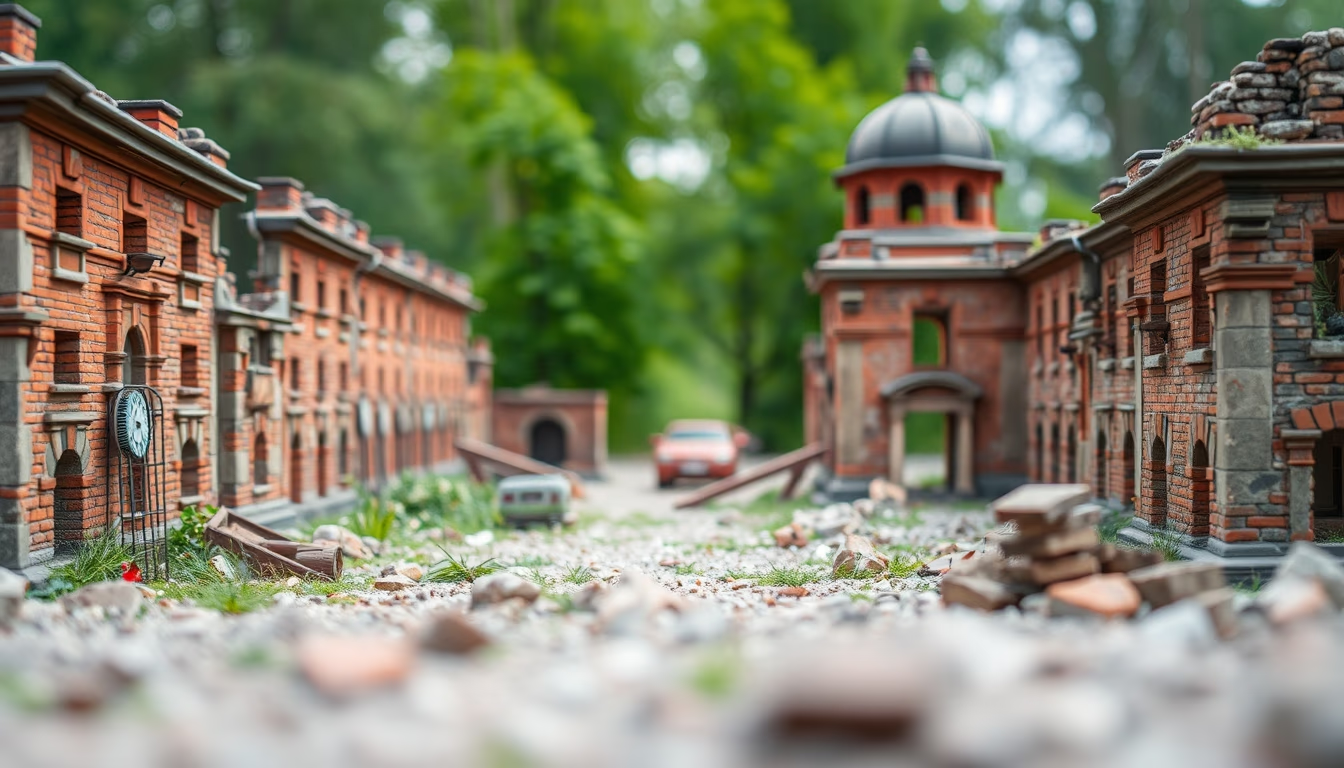
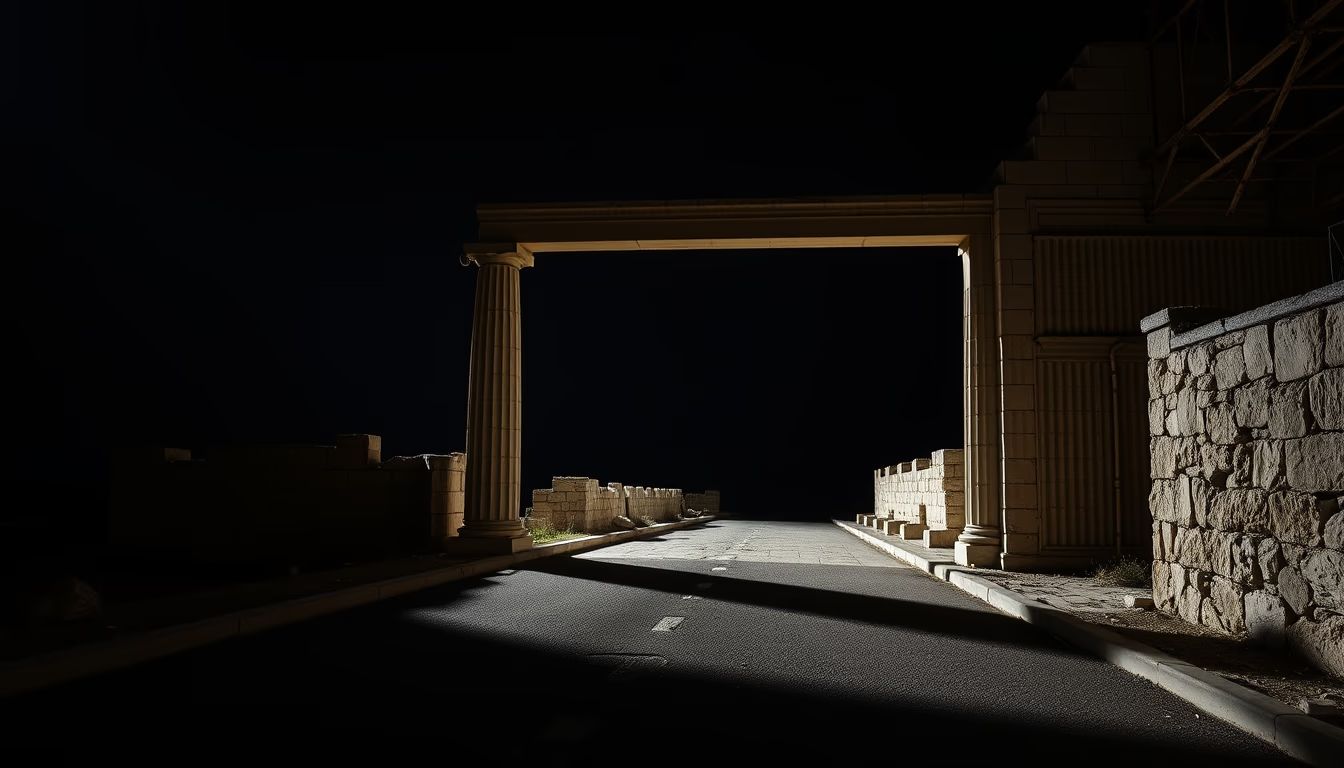
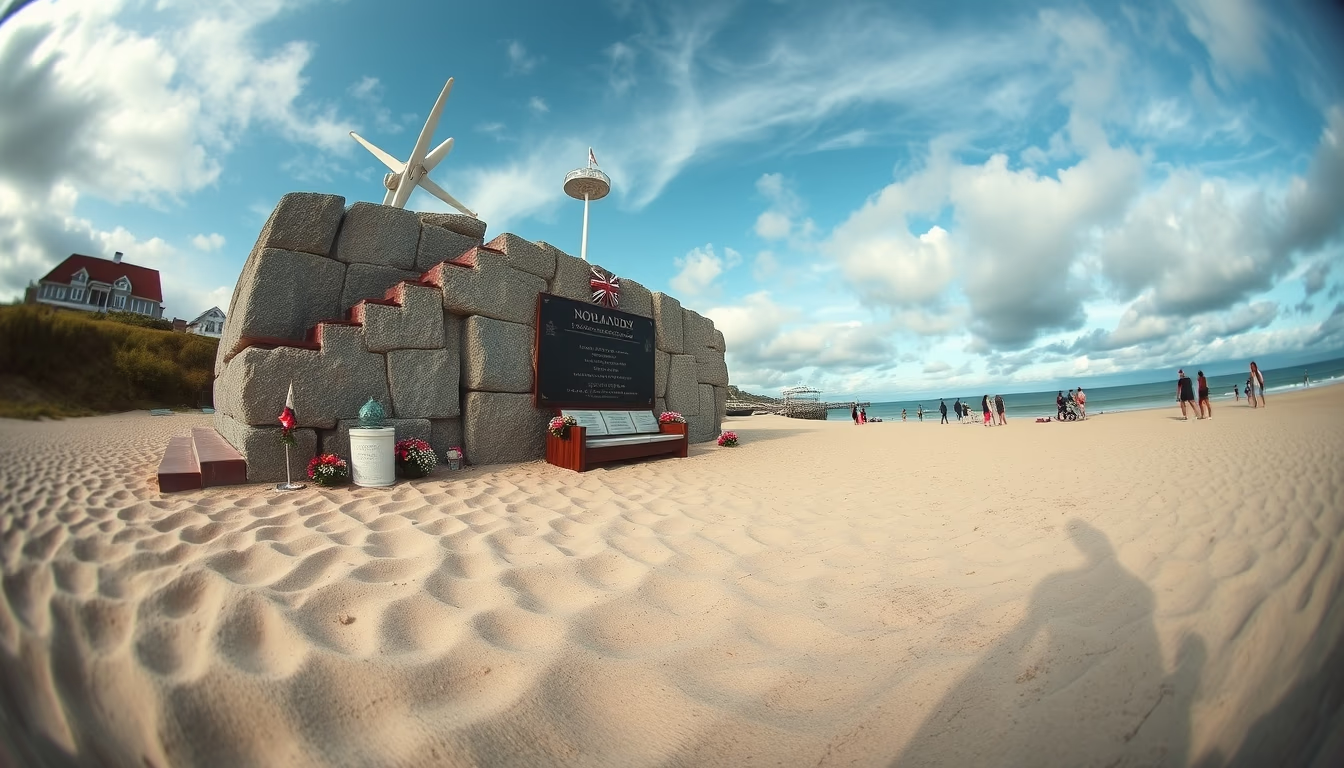
Stalingrad ruins
1344×768 · AVIF · CC BY 4.0

Ruins of Stalingrad, site of the decisive World War II battle between 1942 and 1943, now a memorial in the city of Volgograd, Russia.
About this subject
The Battle of Stalingrad, fought between August 23, 1942 and February 2, 1943, was the bloodiest confrontation of World War II. An estimated 2 million soldiers and civilians were killed or wounded. The city, located on the banks of the Volga River, was a vital industrial center and a strategic point for controlling southern Russia. Soviet resistance under General Vasily Chuikov managed to encircle and destroy the German 6th Army, marking Hitler's first major defeat and the turning point of the war on the Eastern Front.
After the battle, Stalingrad lay completely in ruins: about 90% of the city was destroyed. Contemporary photographs and films show landscapes of rubble, charred buildings, and scattered bodies. Reconstruction began during the war, and the city was renamed Volgograd in 1961 as part of de-Stalinization. Today, the site houses the Mamayev Kurgan memorial complex, including the giant statue "The Motherland Calls" and a museum dedicated to the battle.
The historical significance of the Stalingrad ruins goes beyond destruction. They symbolize Soviet determination and the human cost of war. Visitors from around the world travel to Volgograd to walk the preserved battlefields, see rusted tanks, and understand the magnitude of the conflict. The city also hosted matches of the 2018 FIFA World Cup, demonstrating its recovery and contemporary relevance.
Frequently Asked Questions
Why was Stalingrad crucial in World War II?
Stalingrad was a vital industrial and logistics center for the USSR, and it controlled access to the oil-rich Caucasus region. Its fall would have opened the way for German advancement, but the Soviet victory reversed the balance of power on the Eastern Front, forcing Germany into a defensive war.
How many people died in the Battle of Stalingrad?
An estimated 1.2 million Soviets and 800,000 Germans and allies were killed, wounded, or missing. Civilian losses were also enormous, with thousands killed during bombing raids and the harsh winter.
What exists today at the site of the Stalingrad ruins?
The ruins were incorporated into the Mamayev Kurgan memorial complex, which includes a museum, the statue 'The Motherland Calls,' and preserved battle areas. The city of Volgograd was rebuilt and today maintains memorials and historic sites open to visitors.
Direct URL
https://pub-c7d6a6ea828543ac903a74a341ccb2e1.r2.dev/imagens/stalingrad-ruins-high-fashion-editorial-fresh9.avifHow to credit
Include a visible link back to UtilizAí. Copy one of the snippets below:
<a href="https://xn--utiliza-eza.com/en/midia/imagens/stalingrad-ruins-high-fashion-editorial-fresh9">Stalingrad ruins</a> by <a href="https://xn--utiliza-eza.com">UtilizAí</a>, licensed under <a href="https://creativecommons.org/licenses/by/4.0/">CC BY 4.0</a>.
[Stalingrad ruins](https://xn--utiliza-eza.com/en/midia/imagens/stalingrad-ruins-high-fashion-editorial-fresh9) by [UtilizAí](https://xn--utiliza-eza.com), CC BY 4.0
License: CC-BY-4.0