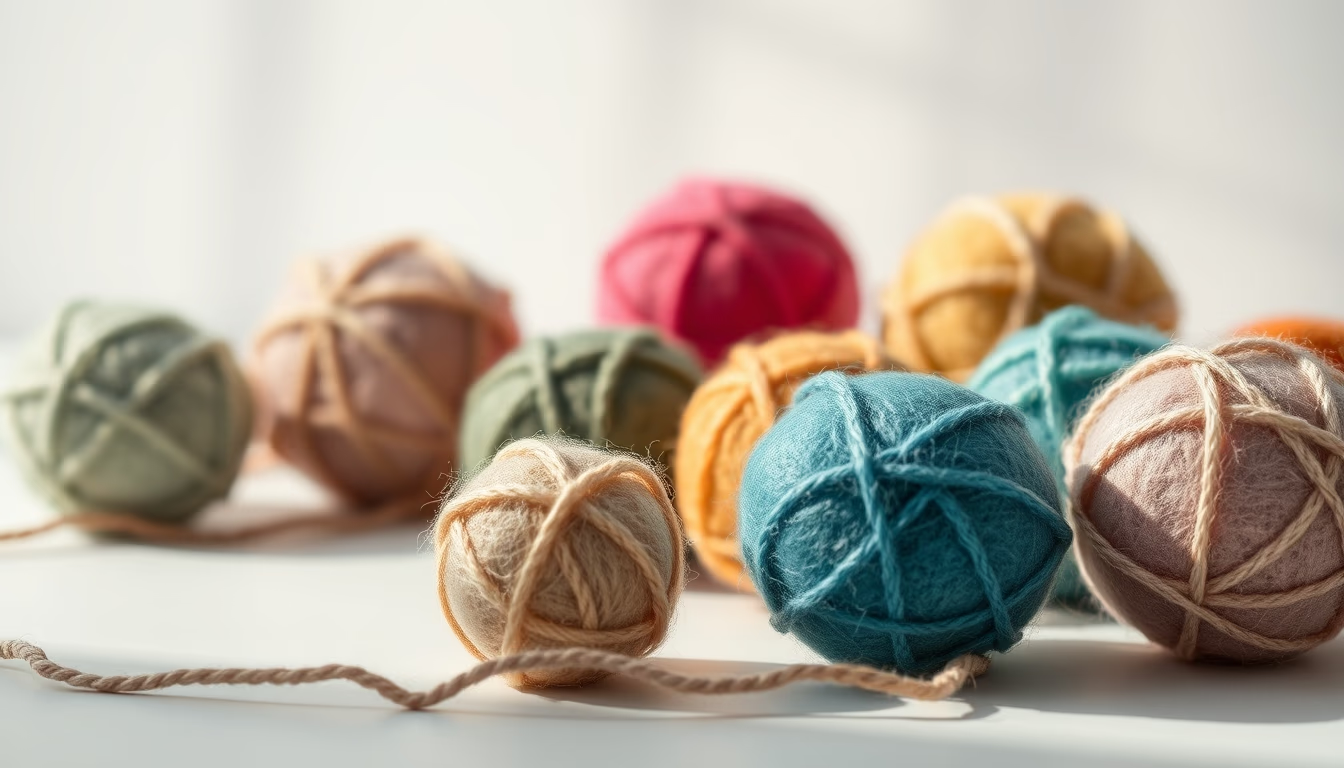
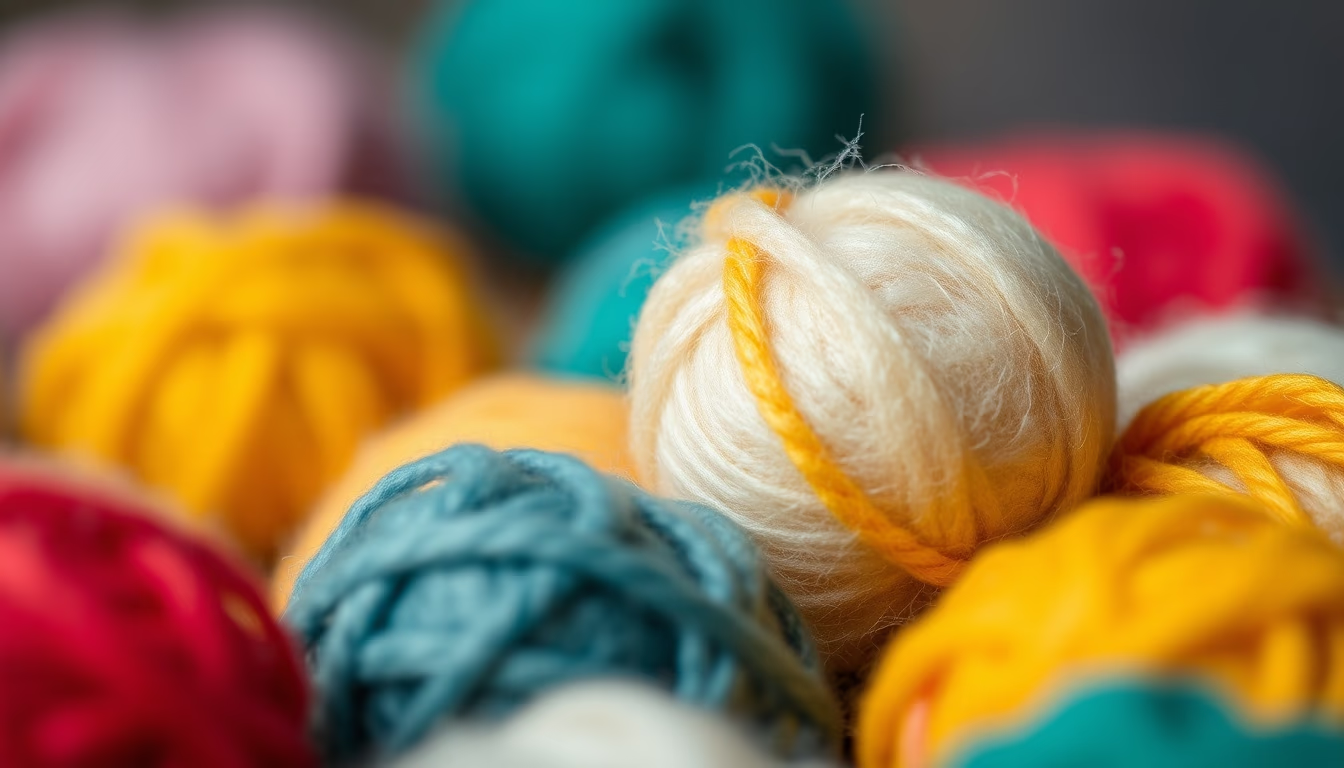
Spinning wheel antique
1344×768 · AVIF · CC BY 4.0

Antique spinning wheel, a textile tool that revolutionized yarn production since the Middle Ages, is a symbol of craftsmanship and weaving history.
About this subject
The spinning wheel is an ancient device used to transform textile fibers such as wool, cotton, or flax into continuous yarn. Its invention, dating back to around the 11th century in India or China, spread across Europe during the Middle Ages, replacing the hand spindle and dramatically increasing productivity. The traditional spinning wheel consists of a large wheel driven by a treadle or crank, which rotates a spindle where the fiber is twisted and wound. This mechanism, requiring motor coordination and rhythm, became essential for domestic and industrial textile production until the Industrial Revolution, when more complex machines like the spinning jenny and water frame took over.
In Brazil, the spinning wheel was introduced by Portuguese colonizers and mainly used in rural areas to produce cotton and wool yarns for home weaving. With the decline of handcraft manufacturing, many wheels were abandoned, but today they are valued as collectibles and rustic decor. The antique model, typically made of solid wood such as pine or oak, may show wear and use marks that tell its story. Some wheels feature carved decorations or wrought-iron details, reflecting the skill of the craftsmen who built them.
Interestingly, the spinning wheel is often associated with fairy tales, such as Sleeping Beauty, who pricks her finger on a spindle and falls into a deep sleep. In Greek mythology, the Moirai (Fates) used a spindle to weave the destiny of mortals. Nowadays, interest in sustainable craftsmanship and slow fashion has revived the use of spinning wheels among enthusiasts who produce their own natural yarns, a practice that blends tradition and creativity.
Frequently Asked Questions
What is the difference between a spinning wheel and a drop spindle?
A drop spindle is a simple hand tool: a stick where fiber is twisted and wound. A spinning wheel mechanizes this process using a rotating wheel to increase speed and consistency, allowing faster production and more uniform yarn.
What types of fiber can be spun on an antique spinning wheel?
Virtually any textile fiber: wool, cotton, flax, silk, hemp, alpaca, angora. Longer and more uniform fibers are easier to spin, but with technique you can process from raw sheep wool to synthetic fibers.
How can I identify an antique spinning wheel and its value?
Antique wheels usually feature solid wood construction, wrought iron or brass hardware, and wear marks like treadle wear. Labels or maker's marks can indicate origin and date. Value depends on rarity, condition, and functionality.
Direct URL
https://pub-c7d6a6ea828543ac903a74a341ccb2e1.r2.dev/imagens/spinning-wheel-antique-fish-eye-wide-angle-fresh11.avifHow to credit
Include a visible link back to UtilizAí. Copy one of the snippets below:
<a href="https://xn--utiliza-eza.com/en/midia/imagens/spinning-wheel-antique-fish-eye-wide-angle-fresh11">Spinning wheel antique</a> by <a href="https://xn--utiliza-eza.com">UtilizAí</a>, licensed under <a href="https://creativecommons.org/licenses/by/4.0/">CC BY 4.0</a>.
[Spinning wheel antique](https://xn--utiliza-eza.com/en/midia/imagens/spinning-wheel-antique-fish-eye-wide-angle-fresh11) by [UtilizAí](https://xn--utiliza-eza.com), CC BY 4.0
License: CC-BY-4.0