Spices in glass jars row
1344×768 · AVIF · CC BY 4.0
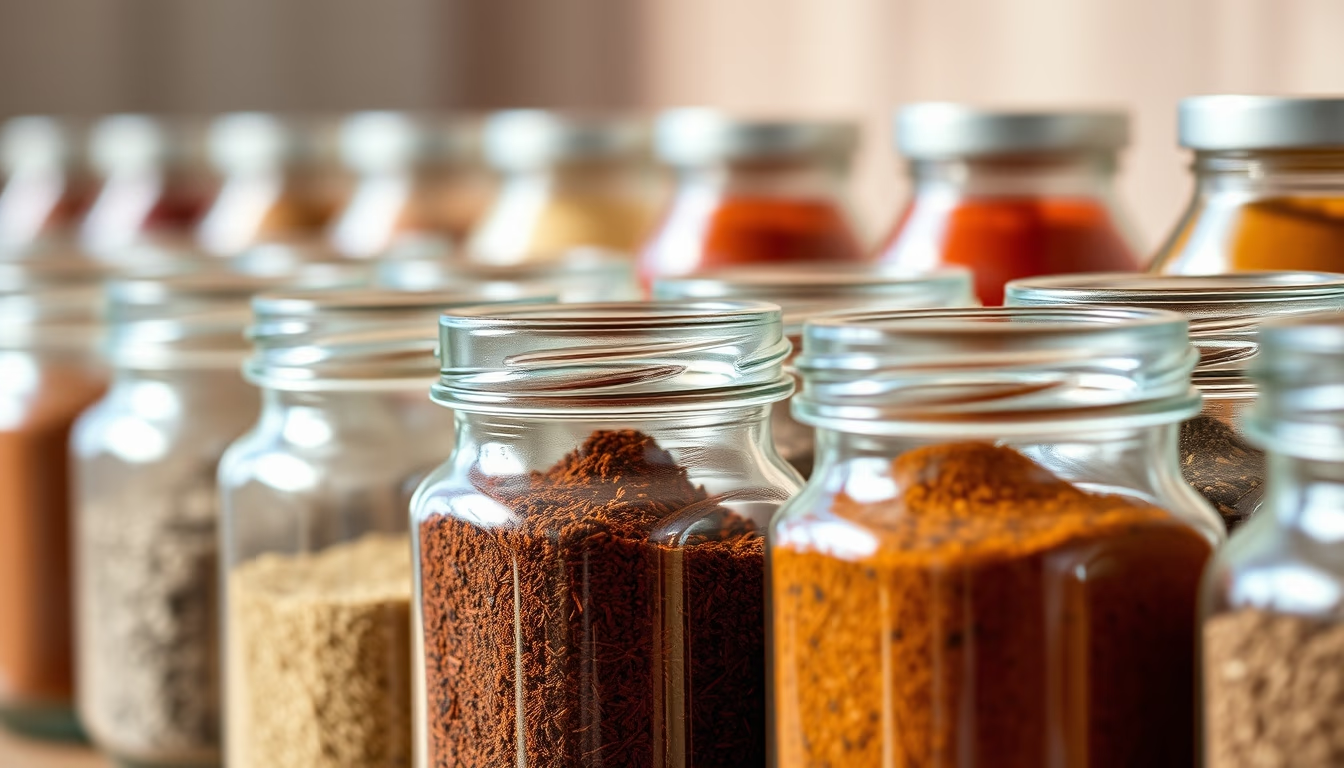
Spices in glass jars lined up create a visual arrangement that evokes the diversity of flavors and aromas in world cuisine.
About this subject
Spices are dried plant products used to flavor and aromatize food, with origins dating back millennia. The use of spices such as cinnamon, cloves, black pepper, and saffron drove historical trade routes like the Silk Road and European maritime voyages, connecting continents and transforming economies. Each spice carries unique cultivation, harvesting, and processing characteristics, influenced by geographical factors like climate and soil. For example, vanilla, native to Mexico, requires hand pollination, while cardamom, from India, is grown in mountainous regions. Paprika, on the other hand, is obtained by grinding dried bell peppers and is a symbol of Hungarian cuisine. In Brazil, the use of spices like malagueta pepper and annatto reflects indigenous and African heritage, while cumin and coriander are constant presences in northeastern cooking. Storing these spices in glass jars is a common practice to preserve their potency and aroma, as light and moisture can quickly degrade them. Arranging them in rows, besides being functional, allows for visual identification of each seasoning, facilitating recipe preparation. The diversity of colors, ranging from the bright yellow of saffron to the intense red of paprika, also makes these jars decorative elements in kitchens. It is estimated that there are over 100 different spice species used globally, with combinations varying according to culinary culture. The global spice trade moves billions of dollars annually, with countries like India, Vietnam, and Indonesia leading exports. In an editorial context, the image of jars lined up symbolizes the accessibility and globalization of flavors, highlighting how ingredients once considered luxurious are now part of everyday life.
Frequently Asked Questions
How to store spices in glass jars for longer?
Keep jars in a cool, dry, dark place. Avoid heat and moisture, which accelerate aroma loss. Airtight jars help preserve properties for up to 2 years.
What is the difference between spices and herbs?
Spices are usually dried parts of plants like seeds, bark, or roots, with intense flavor. Herbs are fresh or dried leaves of aromatic plants, like basil and parsley.
Why are some spices so expensive?
High prices are due to labor-intensive cultivation, low yield per area, delicate harvesting processes, and global demand. Saffron and vanilla are classic examples.
Direct URL
https://pub-c7d6a6ea828543ac903a74a341ccb2e1.r2.dev/imagens/spices-in-glass-jars-row-magazine-editorial.avifHow to credit
Include a visible link back to UtilizAí. Copy one of the snippets below:
<a href="https://xn--utiliza-eza.com/en/midia/imagens/spices-in-glass-jars-row-magazine-editorial">Spices in glass jars row</a> by <a href="https://xn--utiliza-eza.com">UtilizAí</a>, licensed under <a href="https://creativecommons.org/licenses/by/4.0/">CC BY 4.0</a>.
[Spices in glass jars row](https://xn--utiliza-eza.com/en/midia/imagens/spices-in-glass-jars-row-magazine-editorial) by [UtilizAí](https://xn--utiliza-eza.com), CC BY 4.0
License: CC-BY-4.0