Sourdough bread fresh
1344×768 · AVIF · CC BY 4.0
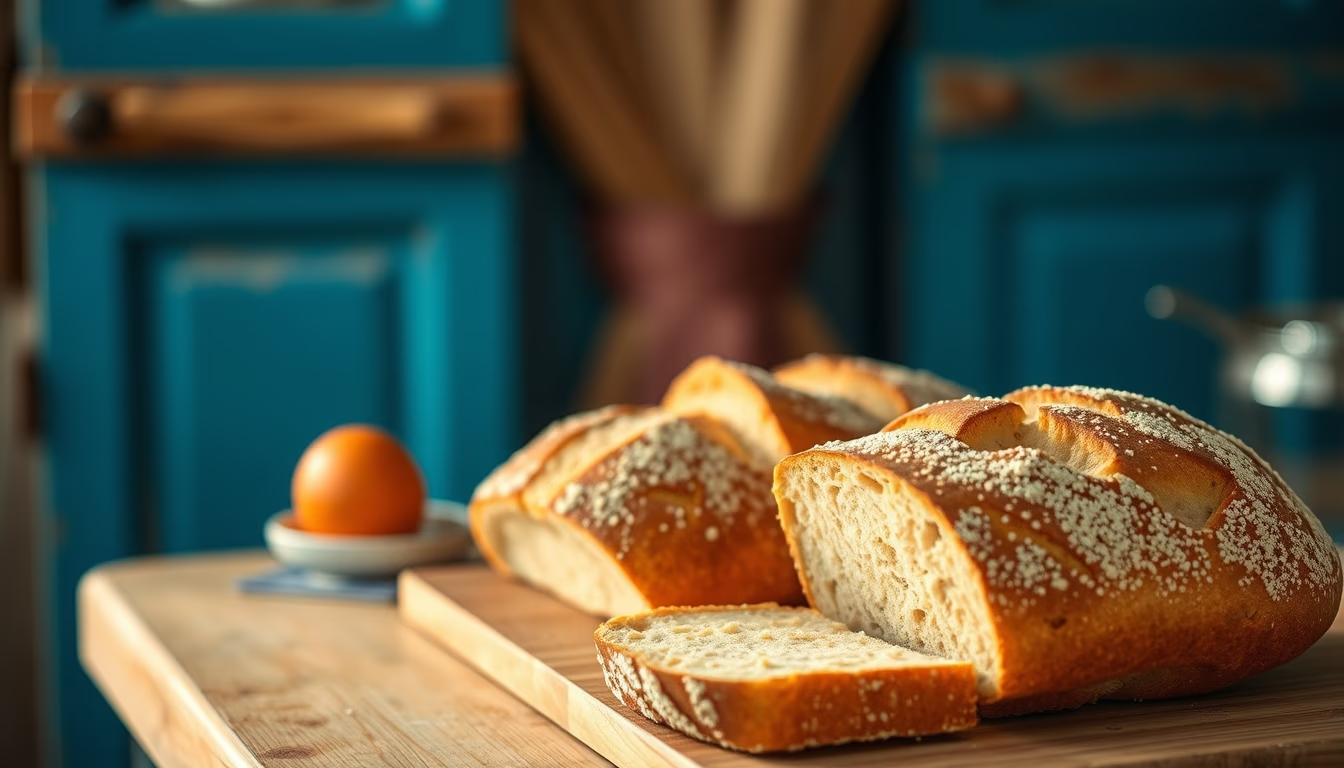
Sourdough bread, made through natural fermentation, is one of humanity's oldest foods, with records dating back to ancient Egypt.
About this subject
Sourdough bread is made from a natural starter, a symbiotic culture of yeasts and lactic acid bacteria. Unlike commercial yeast, the levain gives the bread a mildly tangy flavor, an open crumb structure, and longer shelf life. The natural fermentation breaks down some gluten and phytates, making the bread more digestible and nutritious. This ancient process was largely abandoned by industrial baking in the 20th century, but experienced a revival starting in the 2010s, driven by the artisan bread movement and demand for less processed foods.
Geographically, sourdough has notable variations. In California, the natural starter has been used since the Gold Rush, giving rise to the famous San Francisco sourdough. In Europe, countries like France, Italy, and Germany maintain long-fermentation bread traditions, such as ciabatta, pain de campagne, and rye bread. In Brazil, the sourdough culture has grown rapidly in recent years, with artisan bakeries and home bakers spreading recipes and techniques. The tropical climate requires extra care with temperature and acidity of the starter.
Interestingly, the term "sourdough" comes from Old English and refers to the sour starter that miners carried with them. In fact, the microbiota of each region influences the final flavor: a starter cultivated in São Paulo will have different characteristics than one in Paris, due to the local airborne yeasts and bacteria. Therefore, many bakers claim that each sourdough has a unique "terroir."
Frequently Asked Questions
What makes sourdough bread different from regular bread?
Sourdough uses natural fermentation with wild yeasts and bacteria instead of commercial baker's yeast. This gives it a tangy flavor, open crumb, and better digestibility.
How long can a sourdough starter last?
A well-maintained starter can last decades. It just needs regular feedings of flour and water. Many bakers keep the same starter for years, passing it down through generations.
Can you make sourdough bread at home?
Yes, but it requires patience and practice. The process involves creating or obtaining a starter, feeding it, and using it in a long fermentation dough, typically 8 to 24 hours.
Direct URL
https://pub-c7d6a6ea828543ac903a74a341ccb2e1.r2.dev/imagens/sourdough-bread-fresh-travel-photography-p0.avifHow to credit
Include a visible link back to UtilizAí. Copy one of the snippets below:
<a href="https://xn--utiliza-eza.com/en/midia/imagens/sourdough-bread-fresh-travel-photography-p0">Sourdough bread fresh</a> by <a href="https://xn--utiliza-eza.com">UtilizAí</a>, licensed under <a href="https://creativecommons.org/licenses/by/4.0/">CC BY 4.0</a>.
[Sourdough bread fresh](https://xn--utiliza-eza.com/en/midia/imagens/sourdough-bread-fresh-travel-photography-p0) by [UtilizAí](https://xn--utiliza-eza.com), CC BY 4.0
License: CC-BY-4.0