Sourdough bread fresh
1344×768 · AVIF · CC BY 4.0
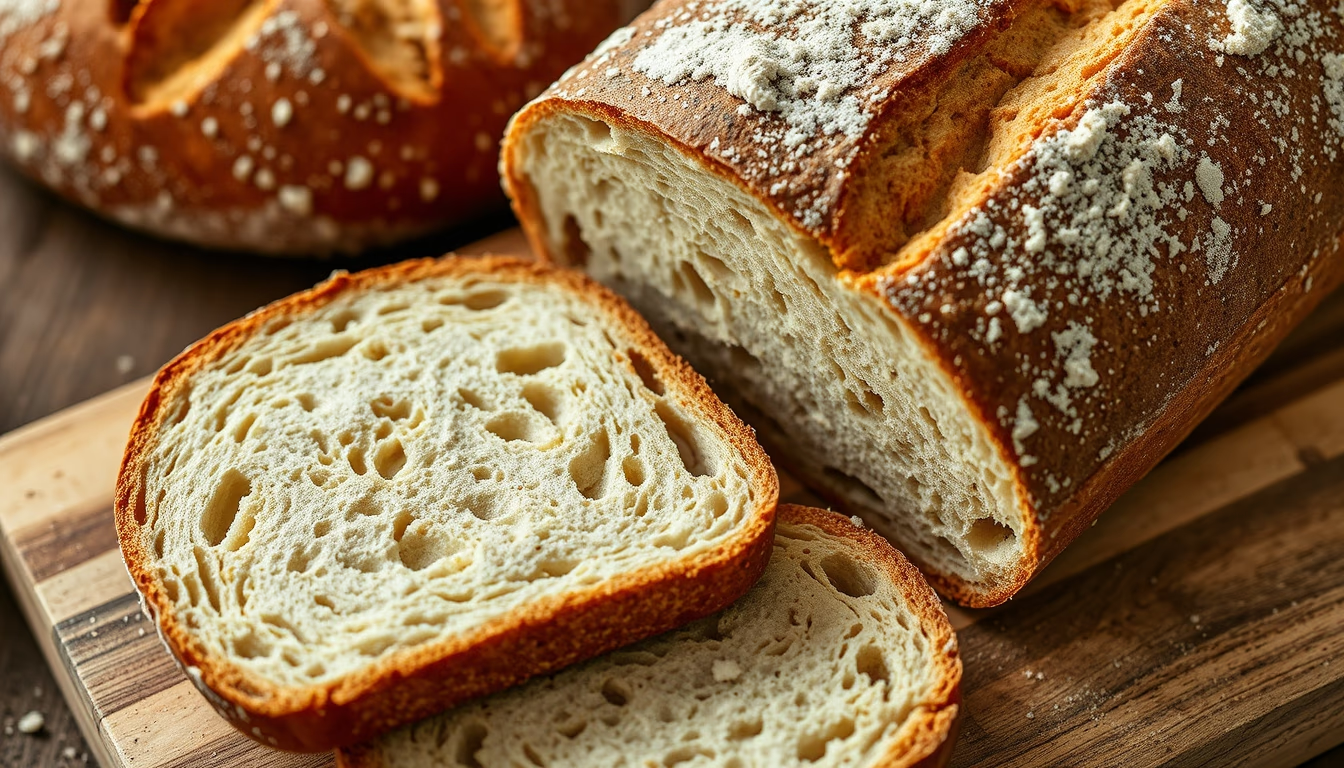
Sourdough bread, made through natural fermentation, offers a complex flavor and airy texture, representing an ancient tradition that spans cultures and continents.
About this subject
Sourdough bread is produced through natural fermentation using a starter culture of flour and water that captures wild yeasts and lactic acid bacteria from the environment. This slow fermentation process, lasting 12 to 48 hours, develops organic acids that give the bread its characteristic tangy flavor and irregular crumb structure, with a chewy interior and a crisp crust.
The origins of sourdough date back to ancient Egypt around 1500 BCE, when bakers discovered that dough left exposed to air yielded lighter, more flavorful loaves. During the California Gold Rush of the 19th century, sourdough became a staple for miners, who kept their starter alive in barrels near their campfires. This tradition gave rise to the famous San Francisco sourdough, known for its unique flavor profile derived from native yeast strains in the region.
Beyond its distinctive taste, sourdough offers nutritional advantages. The fermentation process reduces phytic acid, enhancing the absorption of minerals such as zinc, magnesium, and iron. Studies show that sourdough bread has a lower glycemic index compared to commercial bread, making it a better option for blood sugar management. The natural acidity also acts as a preservative, extending shelf life without artificial additives.
Today, sourdough is experiencing a global revival, driven by the artisanal food movement and demand for minimally processed ingredients. By 2026, the trend solidifies with innovations like ancient grain flours and fermentation techniques that highlight local terroirs. Different cultures have adapted sourdough: Germany's naturally leavened rye bread, Ethiopia's injera made from teff, and France's pain au levain. Each variation reflects the microbial biodiversity and culinary traditions of its place of origin.
Frequently Asked Questions
What is sourdough bread?
Sourdough bread is made through natural fermentation using a starter culture of flour and water that cultivates wild yeasts and bacteria. This process gives it a distinctive tangy flavor and airy texture, without commercial yeast.
What are the benefits of sourdough bread compared to commercial bread?
Sourdough has a lower glycemic index, higher mineral bioavailability (e.g., zinc, magnesium) due to reduced phytic acid, and is easier to digest. It also contains no artificial preservatives, as its natural acidity extends shelf life.
How to store fresh sourdough bread?
Store sourdough at room temperature in a cloth or paper bag for up to 3 days. For longer storage, slice and freeze in an airtight plastic bag. Avoid refrigeration, as it speeds up staling.
Direct URL
https://pub-c7d6a6ea828543ac903a74a341ccb2e1.r2.dev/imagens/sourdough-bread-fresh-national-geographic-style-p1.avifHow to credit
Include a visible link back to UtilizAí. Copy one of the snippets below:
<a href="https://xn--utiliza-eza.com/en/midia/imagens/sourdough-bread-fresh-national-geographic-style-p1">Sourdough bread fresh</a> by <a href="https://xn--utiliza-eza.com">UtilizAí</a>, licensed under <a href="https://creativecommons.org/licenses/by/4.0/">CC BY 4.0</a>.
[Sourdough bread fresh](https://xn--utiliza-eza.com/en/midia/imagens/sourdough-bread-fresh-national-geographic-style-p1) by [UtilizAí](https://xn--utiliza-eza.com), CC BY 4.0
License: CC-BY-4.0