Sourdough bread fresh
1344×768 · AVIF · CC BY 4.0
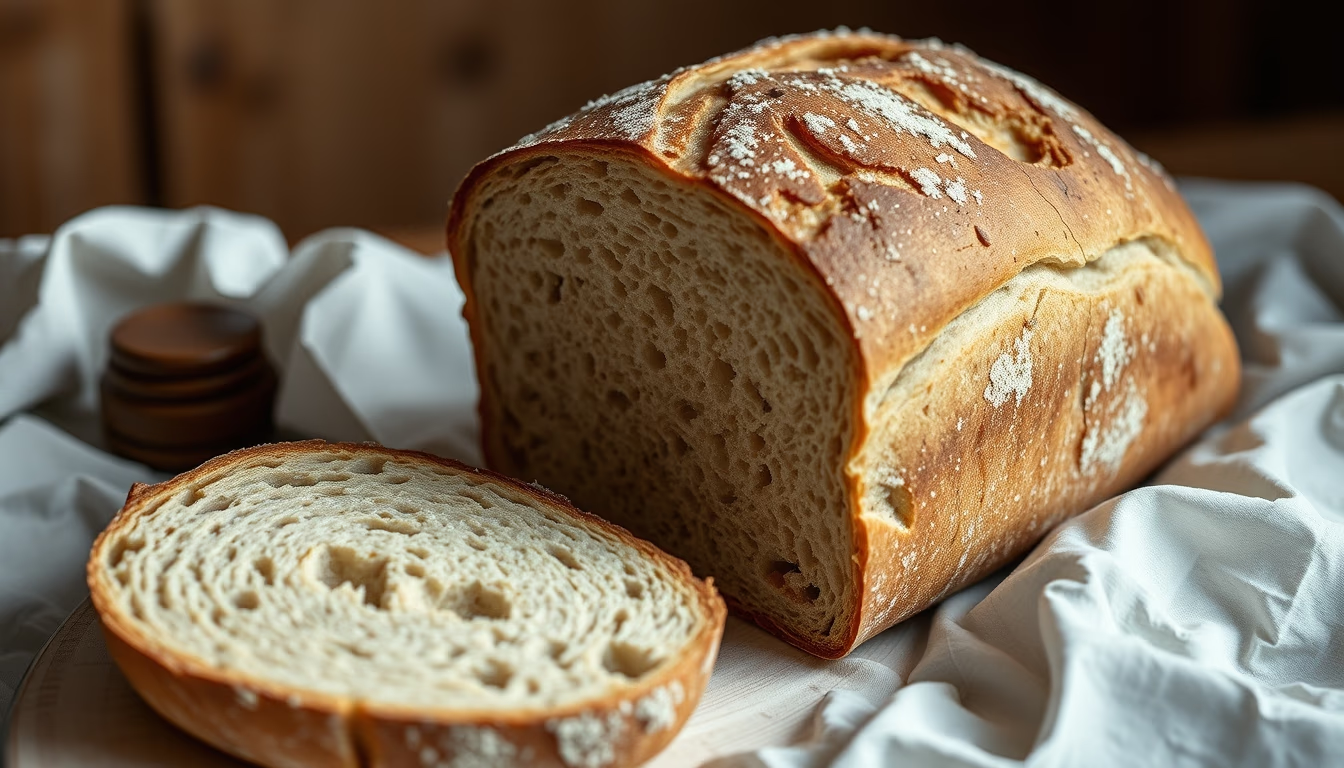
Fresh sourdough bread stands out for its tangy flavor and crunchy crust, a result of natural fermentation that values artisanal tradition and health benefits.
About this subject
Sourdough bread is produced through natural fermentation, using a starter culture made from flour and water that captures wild yeasts and bacteria from the environment. Unlike industrially made bread, which relies on commercial yeast, sourdough undergoes a long fermentation process that develops its characteristic tangy flavor and airy texture. This ancient technique dates back to ancient Egypt around 1500 BC and was the primary method of bread making until the 19th century, when chemical and industrial yeasts became popular.
The production of sourdough involves maintaining a live starter that needs regular feeding with flour and water. The prolonged fermentation breaks down some of the gluten and phytates, making it easier to digest and increasing the bioavailability of minerals such as iron, zinc, and magnesium. Studies indicate that sourdough bread has a lower glycemic index compared to common white bread, making it a suitable option for those managing blood sugar levels.
Culturally, sourdough has experienced a revival in recent decades, driven by the slow food movement and a growing appreciation for artisanal processes. Independent bakeries and home bakers around the world have embraced the technique, reviving traditional flavors and promoting more conscious eating. In regions like San Francisco, sourdough has developed a distinct identity due to local yeast strains, which impart a unique flavor profile. The bread also symbolizes resilience and self-sufficiency, as seen during the COVID-19 pandemic when many people started cultivating their own starters at home.
Frequently Asked Questions
What is the difference between sourdough bread and regular bread?
Sourdough bread is naturally fermented with a starter of wild yeasts and bacteria, while regular bread uses commercial yeast. This results in a tangier flavor, denser texture, and higher nutritional value for sourdough.
How can I keep fresh sourdough bread fresh longer?
Store the bread in a paper bag or linen cloth at room temperature for up to 3 days. For longer storage, slice and freeze; avoid the refrigerator as it accelerates drying.
Why is sourdough bread considered healthier?
The long fermentation reduces gluten and phytates, making minerals more absorbable. Additionally, sourdough has a lower glycemic index and contains beneficial probiotics for gut health.
Direct URL
https://pub-c7d6a6ea828543ac903a74a341ccb2e1.r2.dev/imagens/sourdough-bread-fresh-high-fashion-editorial-p2.avifHow to credit
Include a visible link back to UtilizAí. Copy one of the snippets below:
<a href="https://xn--utiliza-eza.com/en/midia/imagens/sourdough-bread-fresh-high-fashion-editorial-p2">Sourdough bread fresh</a> by <a href="https://xn--utiliza-eza.com">UtilizAí</a>, licensed under <a href="https://creativecommons.org/licenses/by/4.0/">CC BY 4.0</a>.
[Sourdough bread fresh](https://xn--utiliza-eza.com/en/midia/imagens/sourdough-bread-fresh-high-fashion-editorial-p2) by [UtilizAí](https://xn--utiliza-eza.com), CC BY 4.0
License: CC-BY-4.0