Solar charger portable
1344×768 · AVIF · CC BY 4.0
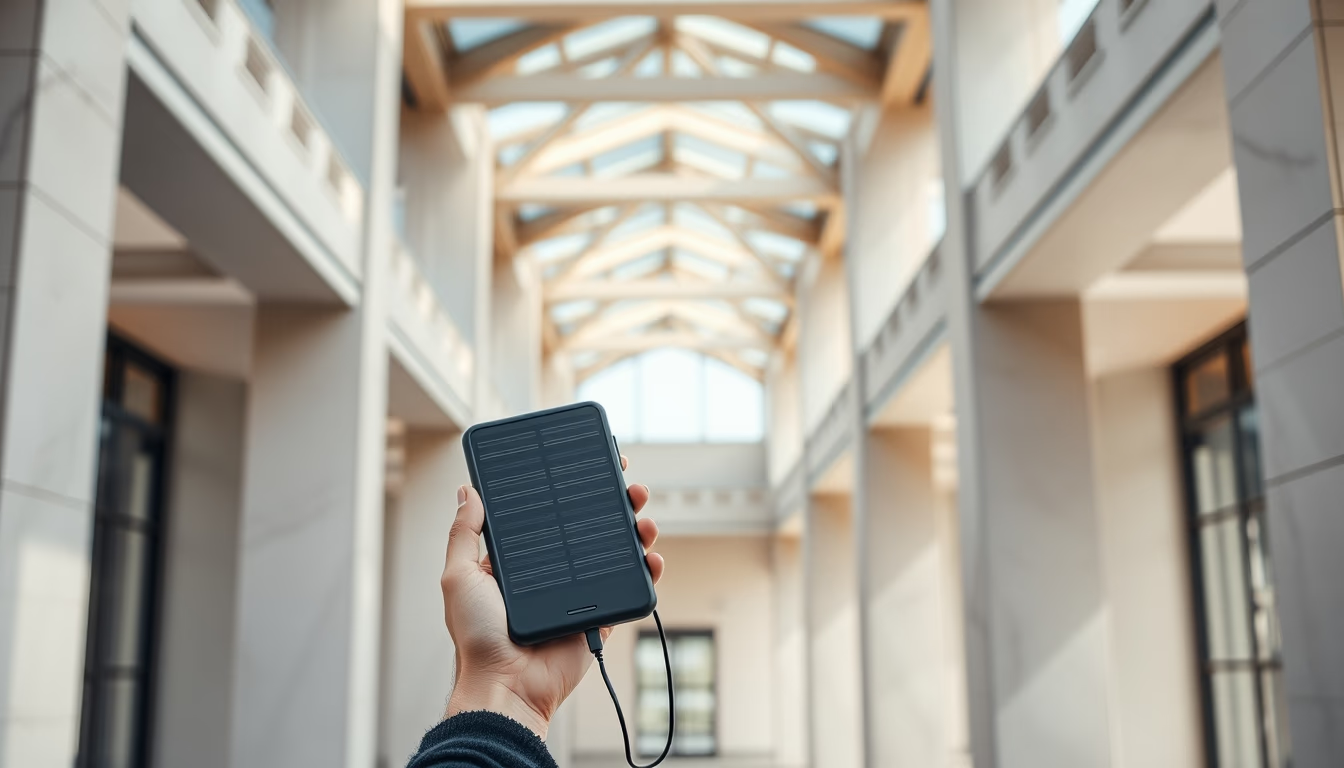
Portable solar charger: a lightweight, compact device that converts sunlight into electricity to recharge electronics anywhere.
About this subject
The portable solar charger is a device powered by photovoltaic panels made of monocrystalline or polycrystalline silicon. These cells convert solar radiation directly into electric current, which is then regulated to charge internal lithium batteries or to power devices via USB ports. Advanced models feature MPPT charge controllers that optimize energy capture even in diffuse light conditions.
The popularity of this equipment has grown with the rise of digital nomadism and outdoor activities. Hikers, backpackers, and long-term travelers use solar chargers to keep phones, flashlights, and cameras operational without relying on the electrical grid. In emergency situations such as blackouts or natural disasters, it becomes a vital energy source for communication.
In Brazil, where average solar irradiation is among the highest in the world (over 5.5 kWh/m²/day in most of the territory), the portable charger has great potential. It is commonly seen at music festivals, beach camping, and isolated communities in the Amazon, where access to electricity is limited. Typical power output ranges from 5W to 30W, sufficient to charge a smartphone in 2 to 5 hours of full sun.
An interesting fact: the first portable solar chargers appeared in the 1970s for military and space use, but only gained commercial popularity in the 2000s with the miniaturization of electronic components. Today, many models are foldable or flexible, integrating even into backpacks and tents.
Frequently Asked Questions
How does a portable solar charger work on cloudy days?
Even on cloudy days, the device generates electricity, though with reduced efficiency. Monocrystalline panels perform better in low light. The MPPT controller helps extract the maximum available power.
How long does it take to charge a phone with a portable solar charger?
It depends on the panel wattage and phone battery capacity. A 10W model can charge an average smartphone in 3 to 4 hours of direct sunlight. Larger models (20W+) cut that time in half.
Is it safe to leave the solar charger exposed to the sun for long periods?
Yes, as long as it is certified. Most units have protection against overcharge, short circuit, and overheating. It is advisable to avoid temperatures above 60°C and not to cover the panels during use.
Direct URL
https://pub-c7d6a6ea828543ac903a74a341ccb2e1.r2.dev/imagens/solar-charger-portable-architectural-photography-p1.avifHow to credit
Include a visible link back to UtilizAí. Copy one of the snippets below:
<a href="https://xn--utiliza-eza.com/en/midia/imagens/solar-charger-portable-architectural-photography-p1">Solar charger portable</a> by <a href="https://xn--utiliza-eza.com">UtilizAí</a>, licensed under <a href="https://creativecommons.org/licenses/by/4.0/">CC BY 4.0</a>.
[Solar charger portable](https://xn--utiliza-eza.com/en/midia/imagens/solar-charger-portable-architectural-photography-p1) by [UtilizAí](https://xn--utiliza-eza.com), CC BY 4.0
License: CC-BY-4.0