Sistine chapel detail
1344×768 · AVIF · CC BY 4.0
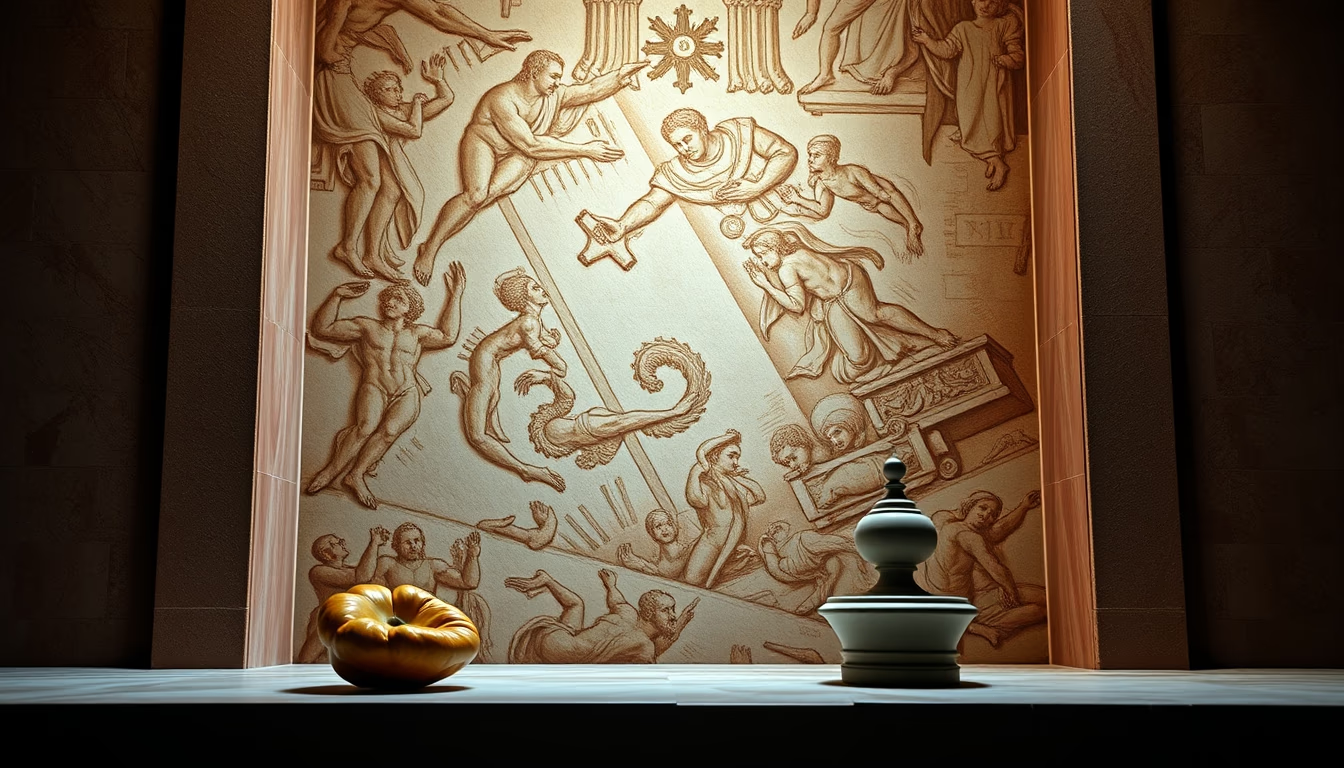
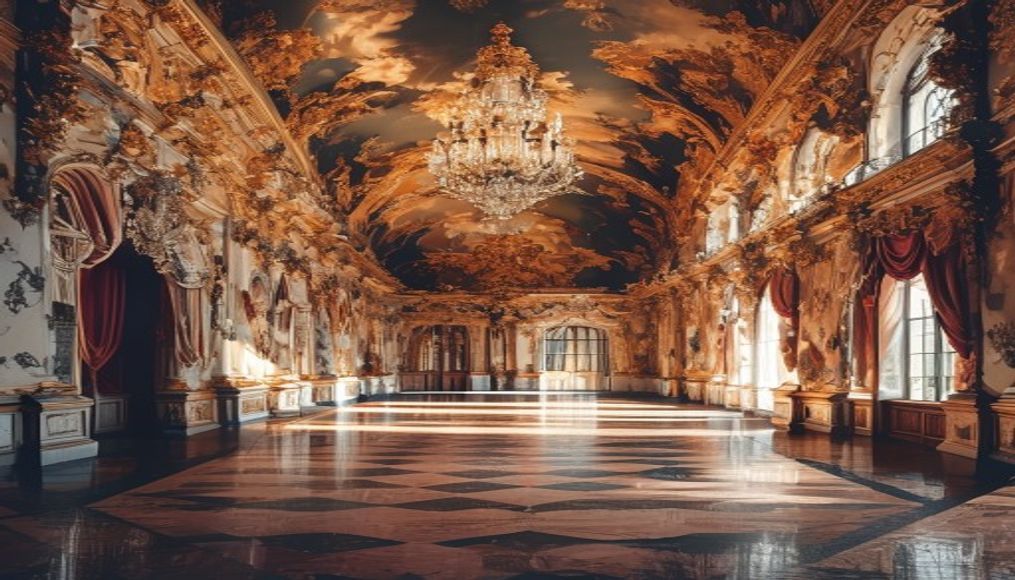
Detail of the Sistine Chapel, Michelangelo's masterpiece in the Vatican, reveals the genius of Renaissance painting and its influence on Western art.
About this subject
The Sistine Chapel, located in the Apostolic Palace in Vatican City, is one of the world's most renowned artistic treasures. Built between 1473 and 1481 under Pope Sixtus IV, after whom it is named, the chapel is famous for its frescoes, especially the ceiling painted by Michelangelo from 1508 to 1512. The work covers about 500 square meters and includes nine scenes from the Book of Genesis, from the Creation to the Flood, along with figures of prophets, sibyls, and ancestors of Christ.
Michelangelo Buonarroti, though primarily a sculptor, accepted the commission from Pope Julius II and spent four years painting the ceiling, working in harsh conditions on a scaffold he designed himself. The central scene, the Creation of Adam, with God's finger touching Adam's, has become a cultural icon, reproduced countless times. In addition to the ceiling, Michelangelo also painted the Last Judgment on the altar wall (1536-1541), a monumental composition depicting the Second Coming of Christ and the final fate of souls.
The Sistine Chapel also serves as the site of the conclave, the gathering of cardinals to elect a new pope. Its acoustics and sacred atmosphere contribute to the solemnity of the event. In 1980, the ceiling underwent a controversial restoration that removed centuries of grime and soot, revealing vibrant colors that had been hidden. This process sparked debate among scholars about the authenticity of the original colors but brought new appreciation for Michelangelo's technique.
Frequently Asked Questions
How long did Michelangelo take to paint the Sistine Chapel ceiling?
He worked on the ceiling for four years, from 1508 to 1512, painting over 300 figures across an area of about 500 square meters.
What is the most famous scene on the Sistine Chapel ceiling?
The Creation of Adam, with God and Adam reaching out to each other, is the most iconic image, symbolizing the moment of creation of man.
Is the Sistine Chapel still used for religious ceremonies today?
Yes, the chapel is used for important liturgical events and primarily for the conclave, the election of the pope, held under Michelangelo's frescoes.
Direct URL
https://pub-c7d6a6ea828543ac903a74a341ccb2e1.r2.dev/imagens/sistine-chapel-detail-studio-still-life-p4.avifHow to credit
Include a visible link back to UtilizAí. Copy one of the snippets below:
<a href="https://xn--utiliza-eza.com/en/midia/imagens/sistine-chapel-detail-studio-still-life-p4">Sistine chapel detail</a> by <a href="https://xn--utiliza-eza.com">UtilizAí</a>, licensed under <a href="https://creativecommons.org/licenses/by/4.0/">CC BY 4.0</a>.
[Sistine chapel detail](https://xn--utiliza-eza.com/en/midia/imagens/sistine-chapel-detail-studio-still-life-p4) by [UtilizAí](https://xn--utiliza-eza.com), CC BY 4.0
License: CC-BY-4.0