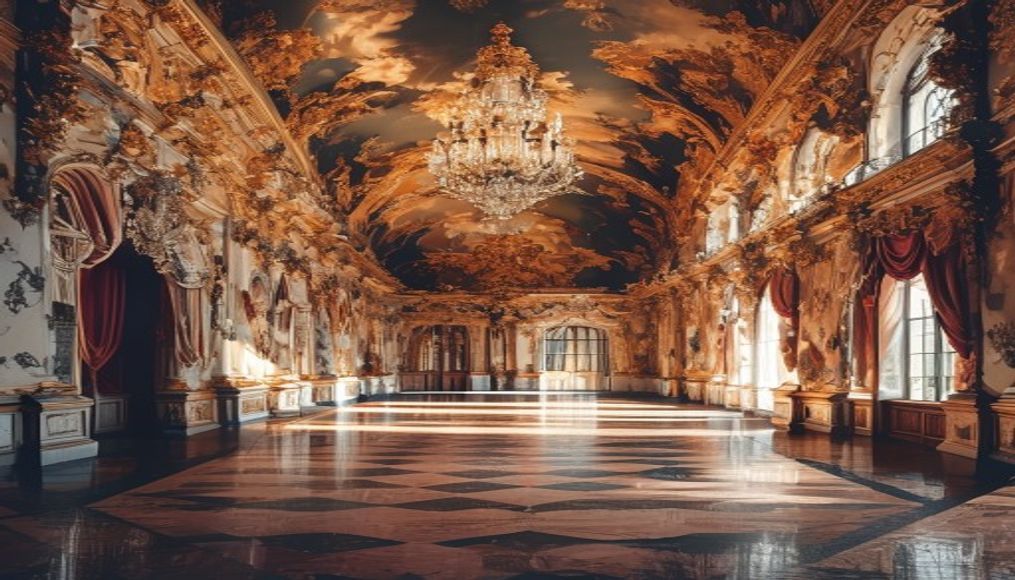
Sistine chapel detail
1344×768 · AVIF · CC BY 4.0
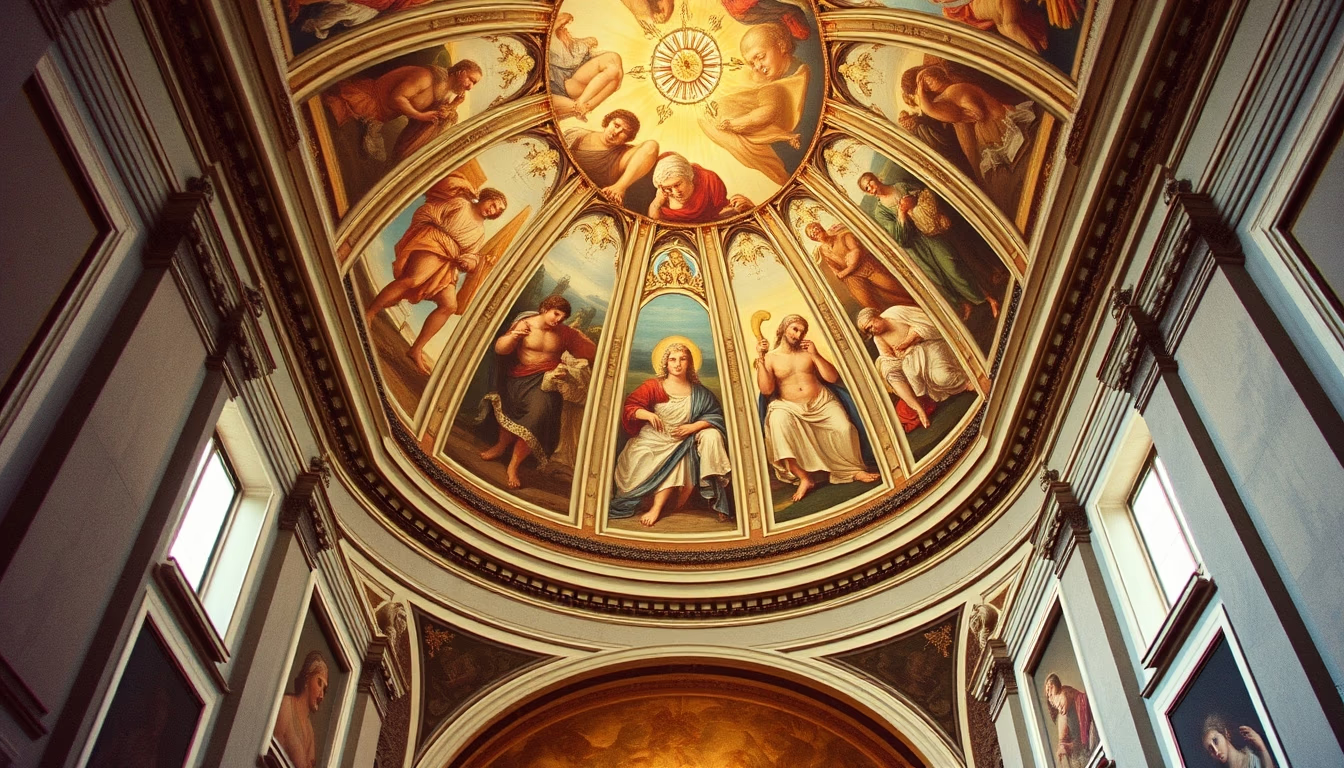
The frescoes of the Sistine Chapel, painted by Michelangelo between 1508 and 1512, are among the greatest treasures of Renaissance art and a landmark in Western art history.
About this subject
The Sistine Chapel, located in the Apostolic Palace in Vatican City, is renowned for its frescoes covering the ceiling and the altar wall. Michelangelo Buonarroti was commissioned by Pope Julius II to paint the ceiling, a work that took four years to complete. The ceiling depicts scenes from the Book of Genesis, including the famous "Creation of Adam," where the hands of God and Adam almost touch. Later, between 1536 and 1541, Michelangelo also painted "The Last Judgment" on the altar wall, a dramatic representation of the Second Coming of Christ and the judgment of souls.
The frescoes of the Sistine Chapel are notable for their theological and artistic complexity. Michelangelo worked under difficult conditions, lying on scaffolds, using fresco techniques that required speed and precision. The human figures are rendered with extraordinary realism and dynamism, influenced by his study of human anatomy. The work reflects the humanist vision of the Renaissance, combining Christian faith with classical ideals of beauty and proportion.
The Sistine Chapel also serves as the site of the papal conclave, where cardinals gather to elect a new pope. Its religious and artistic importance attracts millions of visitors each year. In 1990, a meticulous restoration removed centuries of soot and grime, revealing vibrant original colors that had been obscured. This restoration sparked debates about fidelity to Michelangelo's original intentions but unquestionably brought new life to the masterpiece.
Frequently Asked Questions
How long did Michelangelo take to paint the ceiling of the Sistine Chapel?
Michelangelo took four years to paint the ceiling of the Sistine Chapel, from 1508 to 1512.
What does the 'Creation of Adam' scene depict?
The 'Creation of Adam' shows God giving life to Adam, with God's finger about to touch Adam's, symbolizing the moment of creation of man.
Is the Sistine Chapel only used as a museum?
No, the Sistine Chapel continues to be an active religious site, where papal celebrations and the conclave for the election of new popes take place.
Direct URL
https://pub-c7d6a6ea828543ac903a74a341ccb2e1.r2.dev/imagens/sistine-chapel-detail-lo-fi-disposable-camera-p3.avifHow to credit
Include a visible link back to UtilizAí. Copy one of the snippets below:
<a href="https://xn--utiliza-eza.com/en/midia/imagens/sistine-chapel-detail-lo-fi-disposable-camera-p3">Sistine chapel detail</a> by <a href="https://xn--utiliza-eza.com">UtilizAí</a>, licensed under <a href="https://creativecommons.org/licenses/by/4.0/">CC BY 4.0</a>.
[Sistine chapel detail](https://xn--utiliza-eza.com/en/midia/imagens/sistine-chapel-detail-lo-fi-disposable-camera-p3) by [UtilizAí](https://xn--utiliza-eza.com), CC BY 4.0
License: CC-BY-4.0