Sistine chapel detail
1344×768 · AVIF · CC BY 4.0
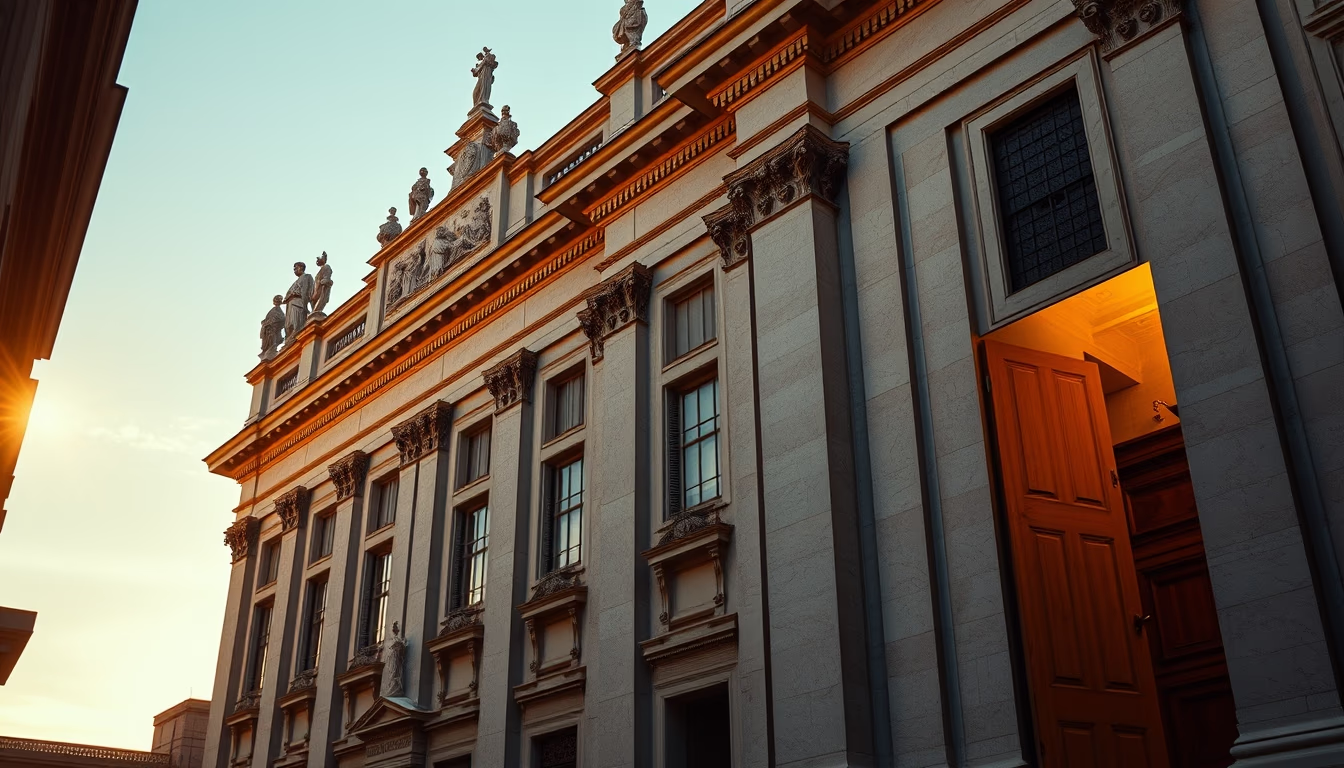
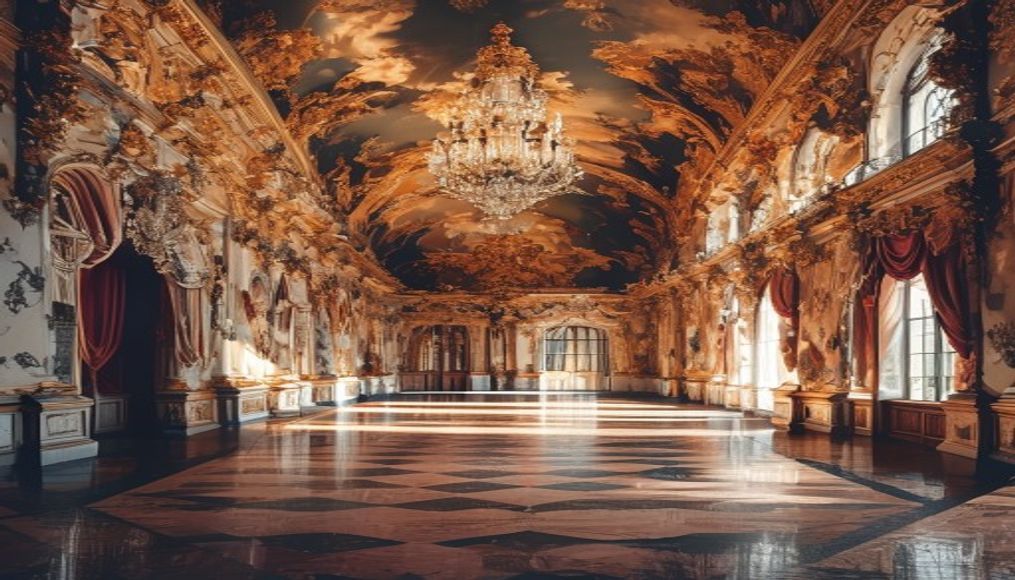
The Sistine Chapel in Vatican City houses Michelangelo's frescoes, Renaissance masterpieces depicting biblical scenes and the Creation of Adam.
About this subject
The Sistine Chapel, located in the Apostolic Palace in Vatican City, is one of the most sacred and visited sites in the world. Built between 1473 and 1481 under Pope Sixtus IV, after whom it is named, the chapel originally served as a venue for liturgical gatherings and papal conclaves. Its fame rests primarily on the frescoes covering the ceiling and altar wall, painted by Michelangelo Buonarroti between 1508 and 1512 at the request of Pope Julius II. The ceiling features nine scenes from the Book of Genesis, including the iconic 'Creation of Adam,' where the hands of God and Adam nearly touch. Later, between 1536 and 1541, Michelangelo returned to paint 'The Last Judgment' on the altar wall, a monumental work depicting the Second Coming of Christ and the fate of souls. The technique used was fresco, which requires speed and precision as pigment is applied onto wet plaster. The chapel is also known for its role in conclaves, where cardinals gather to elect a new pope; white or black smoke from the chimney signals the outcome. The restoration of the frescoes, completed in 1994, removed centuries of soot and revealed original vibrant colors, transforming the perception of Michelangelo's work. Today, the Sistine Chapel is a UNESCO World Heritage site and attracts millions of visitors annually, standing as a supreme symbol of Renaissance art and Catholic faith.
Frequently Asked Questions
How long did Michelangelo take to paint the ceiling of the Sistine Chapel?
Michelangelo painted the Sistine Chapel ceiling from 1508 to 1512, a period of about four years. He worked against his initial will, as he considered himself more a sculptor than a painter.
What does the fresco 'The Last Judgment' in the Sistine Chapel depict?
'The Last Judgment' depicts the Second Coming of Christ and the final judgment of souls, with the righteous ascending to heaven and the damned being dragged to hell. It was painted by Michelangelo between 1536 and 1541.
Why is the Sistine Chapel famous beyond its frescoes?
The Sistine Chapel is the site of papal conclaves, where cardinals gather to elect a new pope. White smoke from the chimney signals the selection of a new pontiff.
Direct URL
https://pub-c7d6a6ea828543ac903a74a341ccb2e1.r2.dev/imagens/sistine-chapel-detail-cinematic-wide-shot-p10.avifHow to credit
Include a visible link back to UtilizAí. Copy one of the snippets below:
<a href="https://xn--utiliza-eza.com/en/midia/imagens/sistine-chapel-detail-cinematic-wide-shot-p10">Sistine chapel detail</a> by <a href="https://xn--utiliza-eza.com">UtilizAí</a>, licensed under <a href="https://creativecommons.org/licenses/by/4.0/">CC BY 4.0</a>.
[Sistine chapel detail](https://xn--utiliza-eza.com/en/midia/imagens/sistine-chapel-detail-cinematic-wide-shot-p10) by [UtilizAí](https://xn--utiliza-eza.com), CC BY 4.0
License: CC-BY-4.0