Sistine chapel ceiling
1344×768 · AVIF · CC BY 4.0
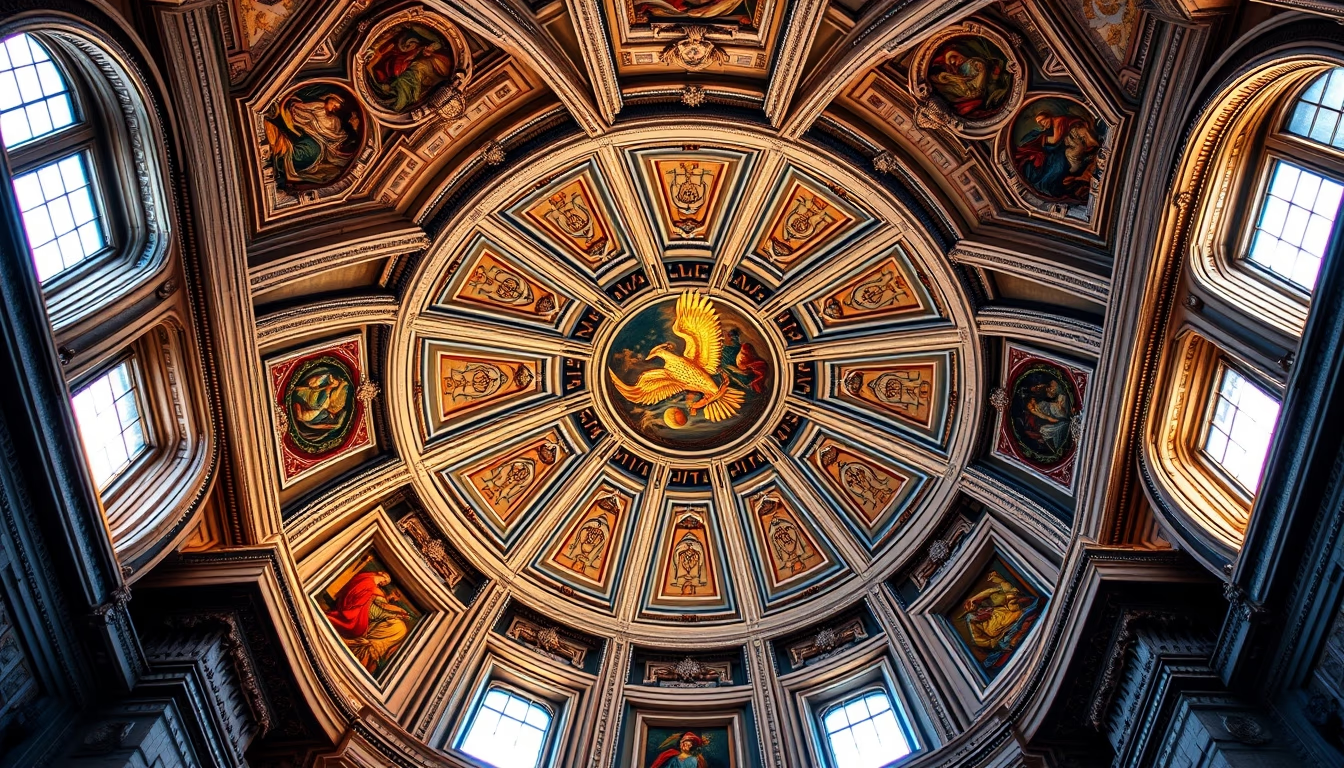
Painted by Michelangelo between 1508 and 1512, the Sistine Chapel ceiling is one of humanity's greatest art masterpieces.
About this subject
The ceiling of the Sistine Chapel, located in the Apostolic Palace in Vatican City, was painted by Michelangelo Buonarroti at the request of Pope Julius II. Covering approximately 520 square meters, the fresco depicts scenes from the Book of Genesis, from the Creation to the Flood. Michelangelo used the fresco technique, painting on fresh plaster so that the colors become permanent as the plaster dries. He worked on custom scaffolding for four years, enduring physical strain and health issues.
The composition features nine central panels with biblical episodes, including the Creation of Adam, the Fall of Man, and the Expulsion from Paradise. Surrounding these are figures of prophets and sibyls (pagan prophetesses) who foretold the coming of Christ. Also present are the Ignudi, nude youths holding medallions and oak garlands, symbols of the pope's family. Each figure displays meticulous anatomy and calculated proportions, showcasing Michelangelo's mastery of the human form.
This work profoundly influenced Renaissance and Western art. Over centuries, the ceiling accumulated grime and soot, but a controversial restoration from 1980 to 1994 removed layers of dirt, revealing vibrant original colors, sparking debate over the preservation of historical patina. Today, the Sistine Chapel ceiling attracts millions of visitors annually and remains a subject of art historical study.
Details like the hands of God and Adam about to touch have become cultural icons, reproduced in countless derivative works. The grandeur and complexity of the painting, executed by a single artist under extreme conditions, cement the Sistine Chapel ceiling as a testament to human creativity and genius.
Frequently Asked Questions
How long did Michelangelo take to paint the Sistine Chapel ceiling?
Michelangelo worked on the ceiling from 1508 to 1512, a total of four years. He completed it in October 1512, with an official unveiling.
What is the most famous scene on the ceiling?
The Creation of Adam, where the hands of God and Adam almost touch, is the most iconic image on the ceiling and one of the most reproduced in art history.
Why do some figures on the ceiling have different sizes?
Michelangelo adjusted the proportions of figures according to their distance from the floor and the observer's viewpoint. Figures farther away are larger to compensate for perspective, ensuring they appear proportional when viewed from below.
Direct URL
https://pub-c7d6a6ea828543ac903a74a341ccb2e1.r2.dev/imagens/sistine-chapel-ceiling-macro-closeup-p9.avifHow to credit
Include a visible link back to UtilizAí. Copy one of the snippets below:
<a href="https://xn--utiliza-eza.com/en/midia/imagens/sistine-chapel-ceiling-macro-closeup-p9">Sistine chapel ceiling</a> by <a href="https://xn--utiliza-eza.com">UtilizAí</a>, licensed under <a href="https://creativecommons.org/licenses/by/4.0/">CC BY 4.0</a>.
[Sistine chapel ceiling](https://xn--utiliza-eza.com/en/midia/imagens/sistine-chapel-ceiling-macro-closeup-p9) by [UtilizAí](https://xn--utiliza-eza.com), CC BY 4.0
License: CC-BY-4.0