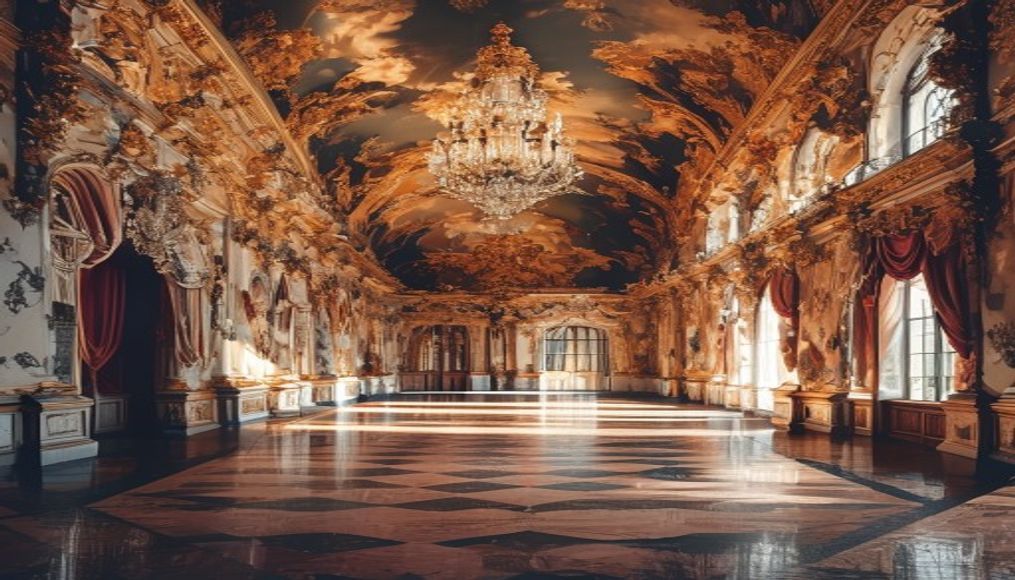
Sistine chapel ceiling
1344×768 · AVIF · CC BY 4.0
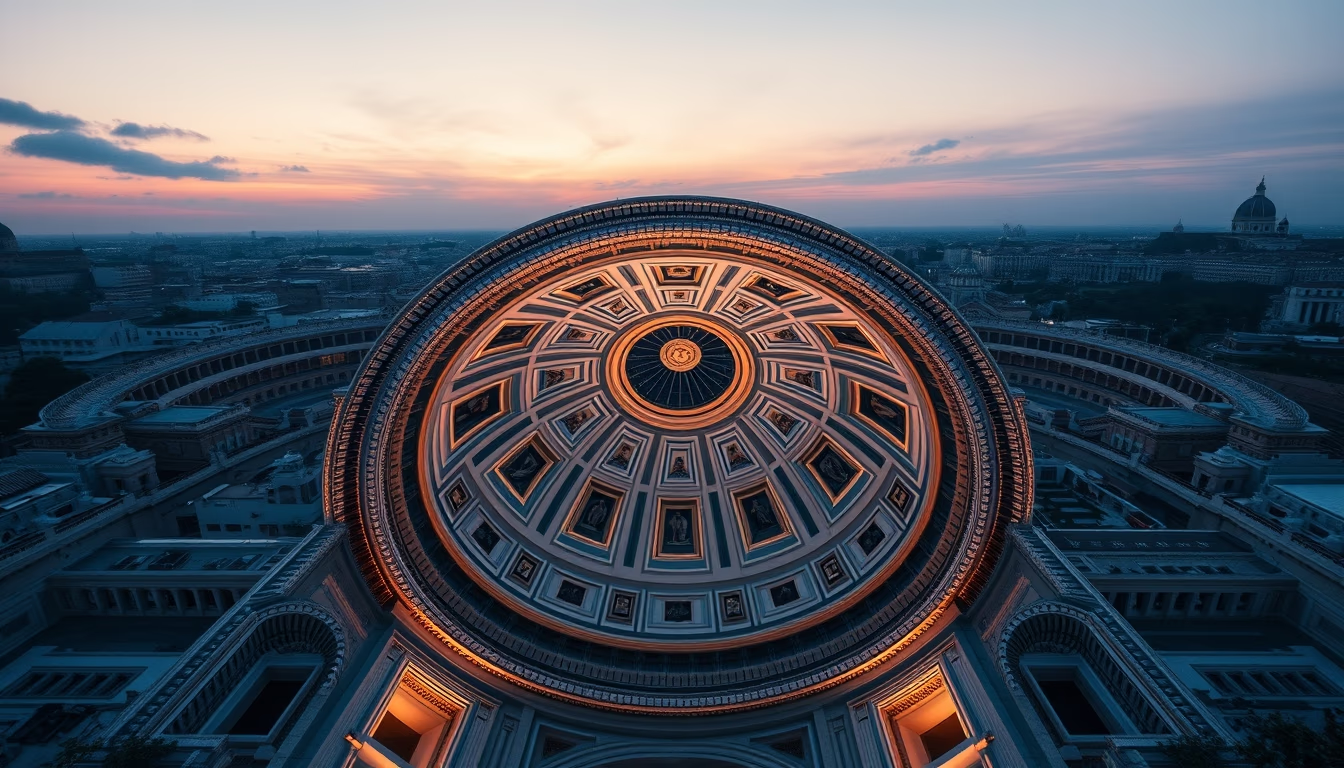
The Sistine Chapel ceiling, painted by Michelangelo between 1508 and 1512, is one of the most emblematic masterpieces of Renaissance art.
About this subject
The Sistine Chapel ceiling, located in Vatican City, is one of the most famous examples of Renaissance art. Painted by Michelangelo between 1508 and 1512 at the request of Pope Julius II, the fresco covers approximately 500 square meters. The work depicts nine scenes from the Book of Genesis, from the Creation to the Drunkenness of Noah, with the iconic 'Creation of Adam' being one of the most reproduced images in art history. The technique used by Michelangelo was fresco, which requires applying pigments on wet plaster, allowing the painting to integrate into the wall. The work was almost entirely executed by the artist, who worked alone on scaffolding for four years, suffering from neck pain and vision problems due to the uncomfortable position.
Culturally, the Sistine Chapel ceiling is a landmark of Renaissance Humanism, combining religious themes with a celebration of the human body and anatomy. Michelangelo studied cadavers to accurately depict muscles, influencing generations of artists. The restoration of the ceiling, completed in 1994, revealed vibrant colors hidden under centuries of soot and repaintings, sparking debates about the work's originality. Additionally, the chapel serves as the site of the papal conclave, where cardinals gather to elect a new pope, making the ceiling a silent witness to historical moments.
Interestingly, Michelangelo initially refused the Pope's invitation, considering himself more a sculptor than a painter. The original project called for only 12 apostles, but the artist expanded it to include over 300 figures. Details such as the 'ignudi' (nude youths) and pagan sibyls show the influence of classical art. The ceiling also contains astrological and symbolic references, such as the image of God surrounded by a mantle that resembles a human brain, interpreted by some as a representation of divine intelligence.
Frequently Asked Questions
How long did Michelangelo take to paint the Sistine Chapel ceiling?
Michelangelo took four years to paint the ceiling, from 1508 to 1512. He worked almost alone, under uncomfortable conditions.
What technique did Michelangelo use on the Sistine Chapel ceiling?
The technique is fresco, where pigments are applied on wet plaster. This requires speed and precision, as the paint bonds to the wall as it dries.
What does the famous 'Creation of Adam' scene represent?
The scene shows God giving life to Adam, with their fingers almost touching. It symbolizes the moment of man's creation and the transmission of the divine spark.
Direct URL
https://pub-c7d6a6ea828543ac903a74a341ccb2e1.r2.dev/imagens/sistine-chapel-ceiling-aerial-drone-shot-p8.avifHow to credit
Include a visible link back to UtilizAí. Copy one of the snippets below:
<a href="https://xn--utiliza-eza.com/en/midia/imagens/sistine-chapel-ceiling-aerial-drone-shot-p8">Sistine chapel ceiling</a> by <a href="https://xn--utiliza-eza.com">UtilizAí</a>, licensed under <a href="https://creativecommons.org/licenses/by/4.0/">CC BY 4.0</a>.
[Sistine chapel ceiling](https://xn--utiliza-eza.com/en/midia/imagens/sistine-chapel-ceiling-aerial-drone-shot-p8) by [UtilizAí](https://xn--utiliza-eza.com), CC BY 4.0
License: CC-BY-4.0