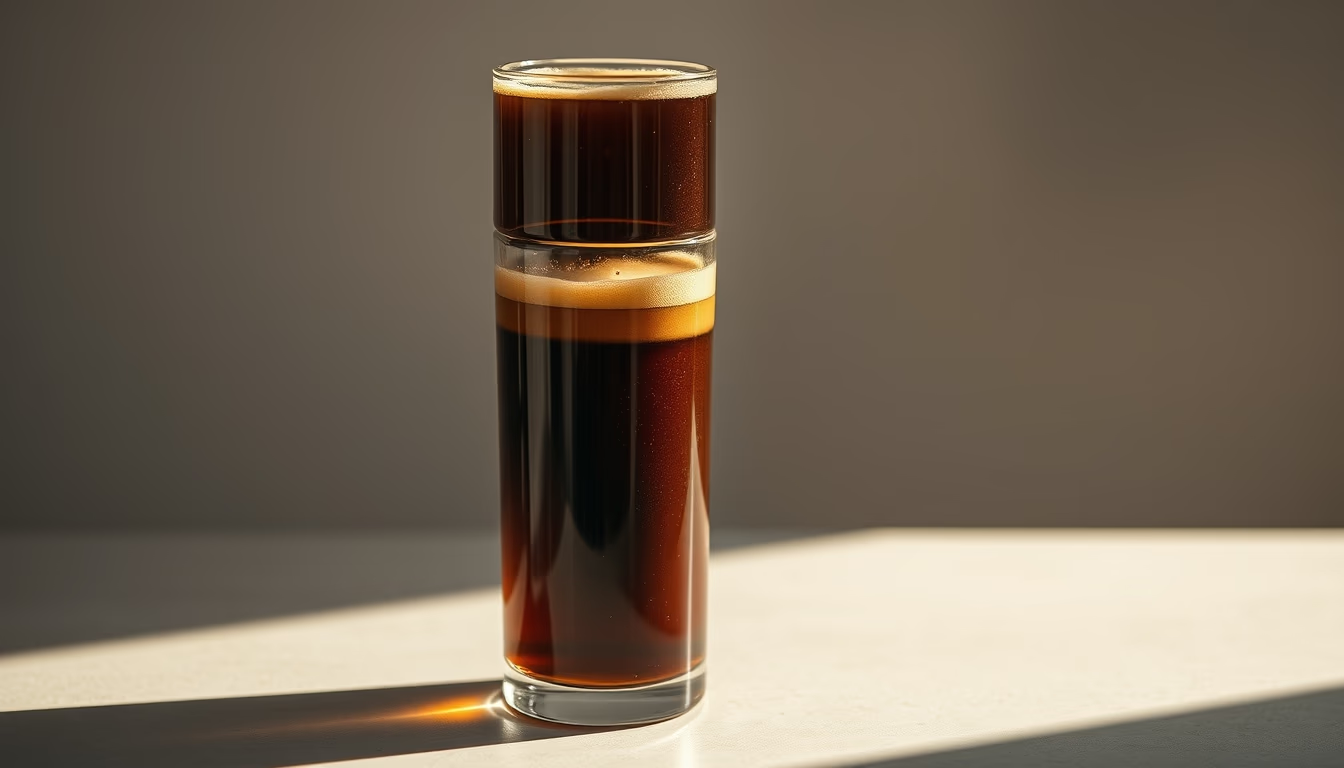
Siphon coffee brewer
1344×768 · AVIF · CC BY 4.0
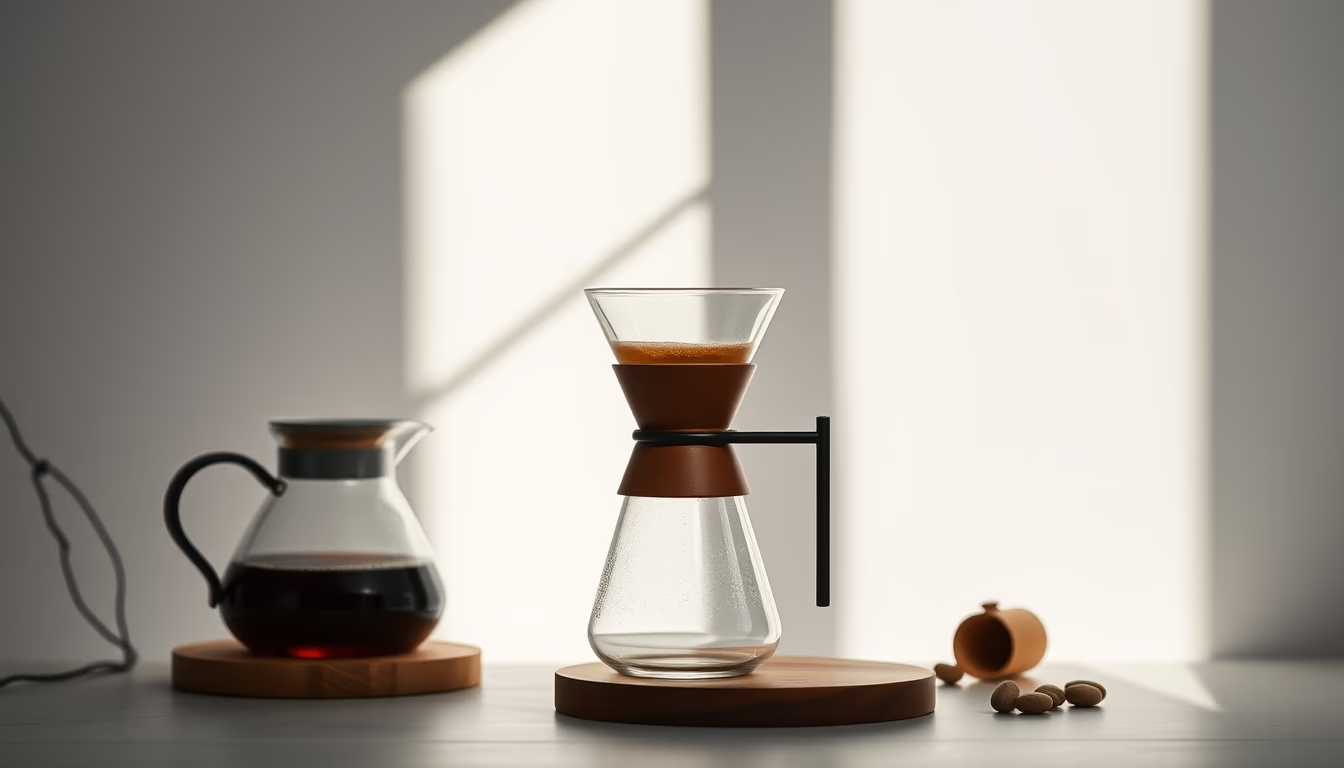
The siphon coffee brewer, also known as a vacuum coffee maker, uses vapor pressure and vacuum to extract a clean, aromatic coffee.
About this subject
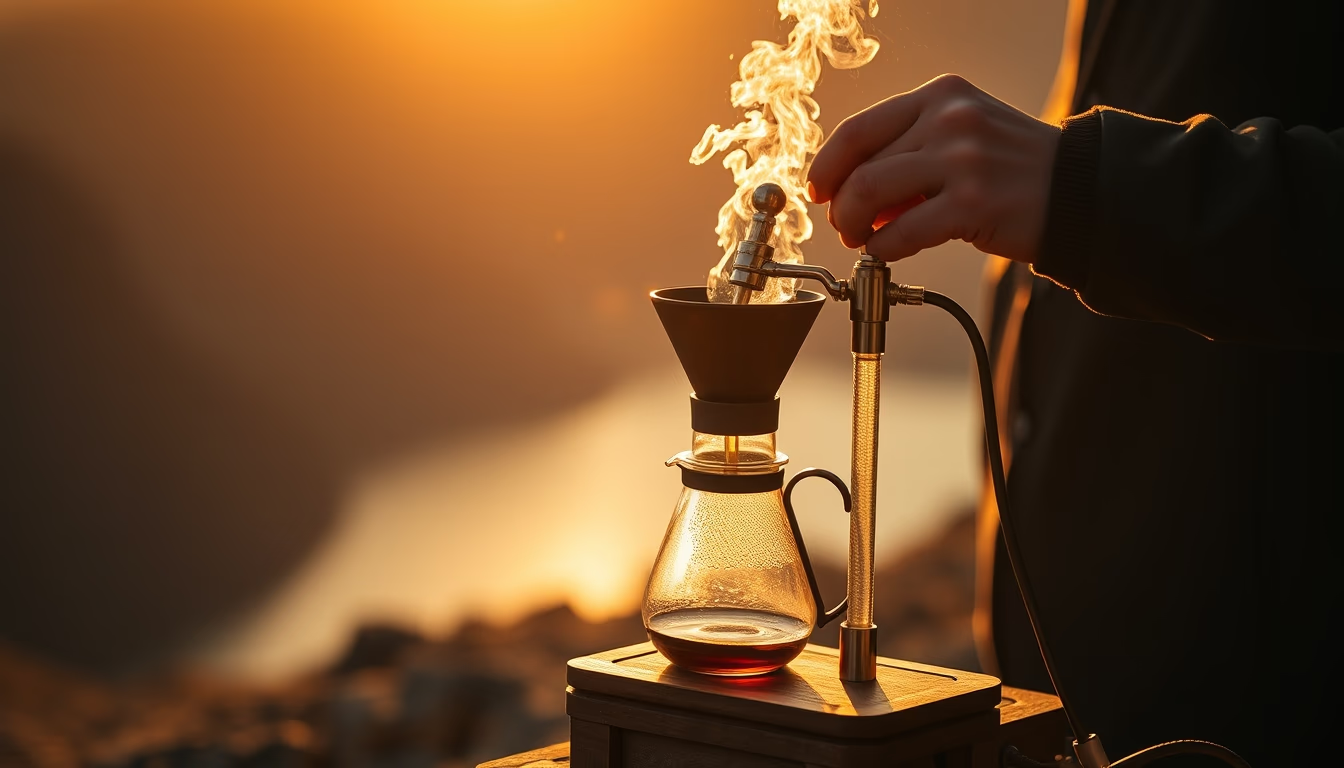
The siphon coffee brewer, also known as a vacuum coffee maker, operates with two glass chambers and a heat source, typically an alcohol burner or halogen lamp. Water in the lower chamber is heated, creating vapor that expands and forces the water upward into the upper chamber, where ground coffee is added. After steeping, heat is removed, pressure drops, and the vacuum created pulls the coffee back down through a cloth or metal filter. The result is a clean, medium-bodied brew with remarkable flavor clarity.
The method dates back to 1830, when German inventor Loeff of Berlin patented the first model. However, it was in Japan that the siphon gained cultural status, especially through brands like Hario and Yama. By the 20th century, it became synonymous with specialty coffee, adopted by baristas who value its visual ritual and technical precision.
Brewing with a siphon requires careful control of variables such as temperature, steeping time, and grind size. A medium-fine grind is recommended, with an infusion time of 60 to 90 seconds after water rises. Unlike a French press which retains oils, the siphon's filter produces a cleaner cup, similar to pour-over but with more body.
In contemporary coffee culture, the siphon is revered for its theatricality and its ability to extract subtle notes from single-origin beans. Specialty coffee shops around the world, from Tokyo to Melbourne, offer the method as part of a holistic sensory experience, blending science and artistry.
Frequently Asked Questions
How does a siphon coffee brewer work?
A siphon brewer uses two glass chambers: water in the lower chamber is heated, producing vapor that pushes water to the upper chamber with coffee grounds. After steeping, heat is removed and the resulting vacuum pulls the coffee back through a filter into the lower chamber.
What is the origin of the siphon coffee maker?
The method was invented in Germany by Loeff of Berlin in 1830. However, it became popular in Japan, especially in the 20th century, with brands like Hario and Yama, making it a specialty coffee icon.
Which coffees are best for the siphon method?
Single-origin coffees with floral, fruity, or chocolatey notes work well. A medium-fine grind and water temperature between 90 and 96°C are recommended. The method highlights acidity and natural sweetness.
Direct URL
https://pub-c7d6a6ea828543ac903a74a341ccb2e1.r2.dev/imagens/siphon-coffee-brewer-minimalist-composition-p2.avifHow to credit
Include a visible link back to UtilizAí. Copy one of the snippets below:
<a href="https://xn--utiliza-eza.com/en/midia/imagens/siphon-coffee-brewer-minimalist-composition-p2">Siphon coffee brewer</a> by <a href="https://xn--utiliza-eza.com">UtilizAí</a>, licensed under <a href="https://creativecommons.org/licenses/by/4.0/">CC BY 4.0</a>.
[Siphon coffee brewer](https://xn--utiliza-eza.com/en/midia/imagens/siphon-coffee-brewer-minimalist-composition-p2) by [UtilizAí](https://xn--utiliza-eza.com), CC BY 4.0
License: CC-BY-4.0