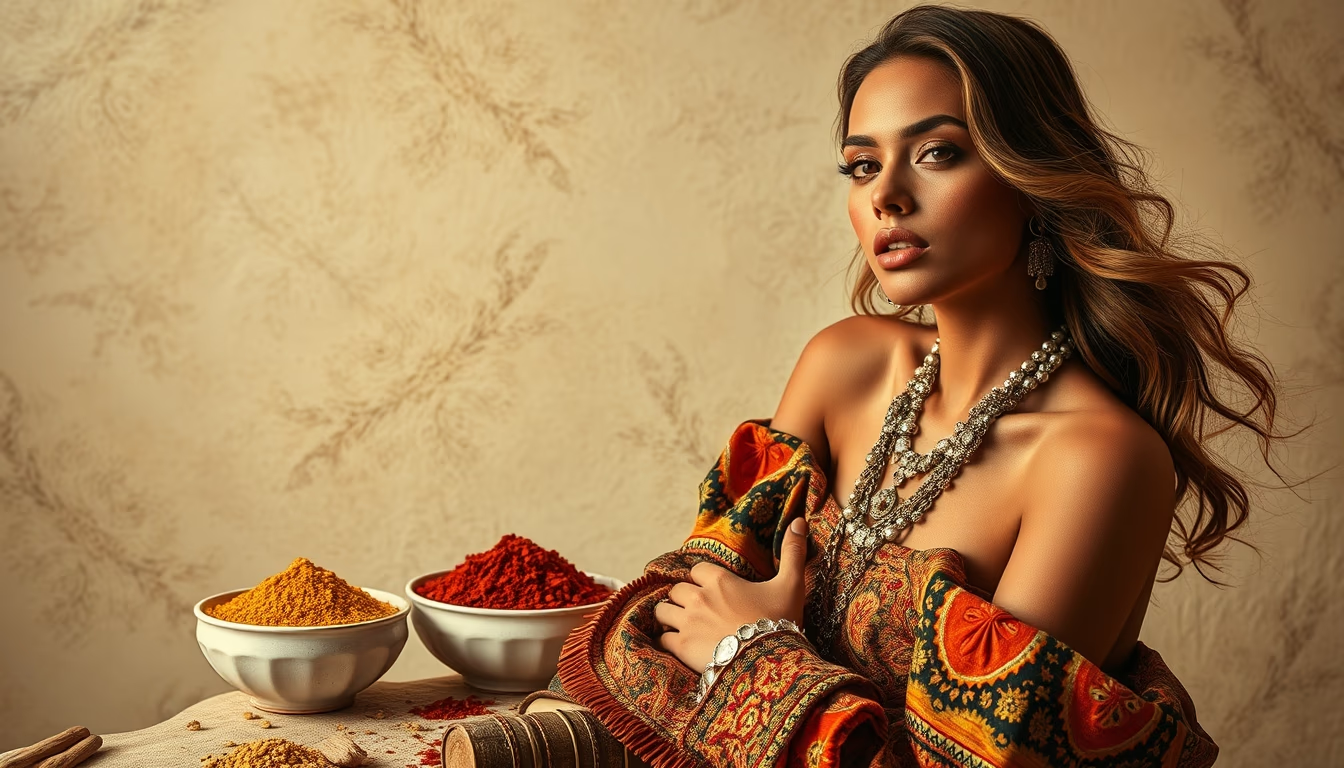
Silk road spices arrayed
1344×768 · AVIF · CC BY 4.0
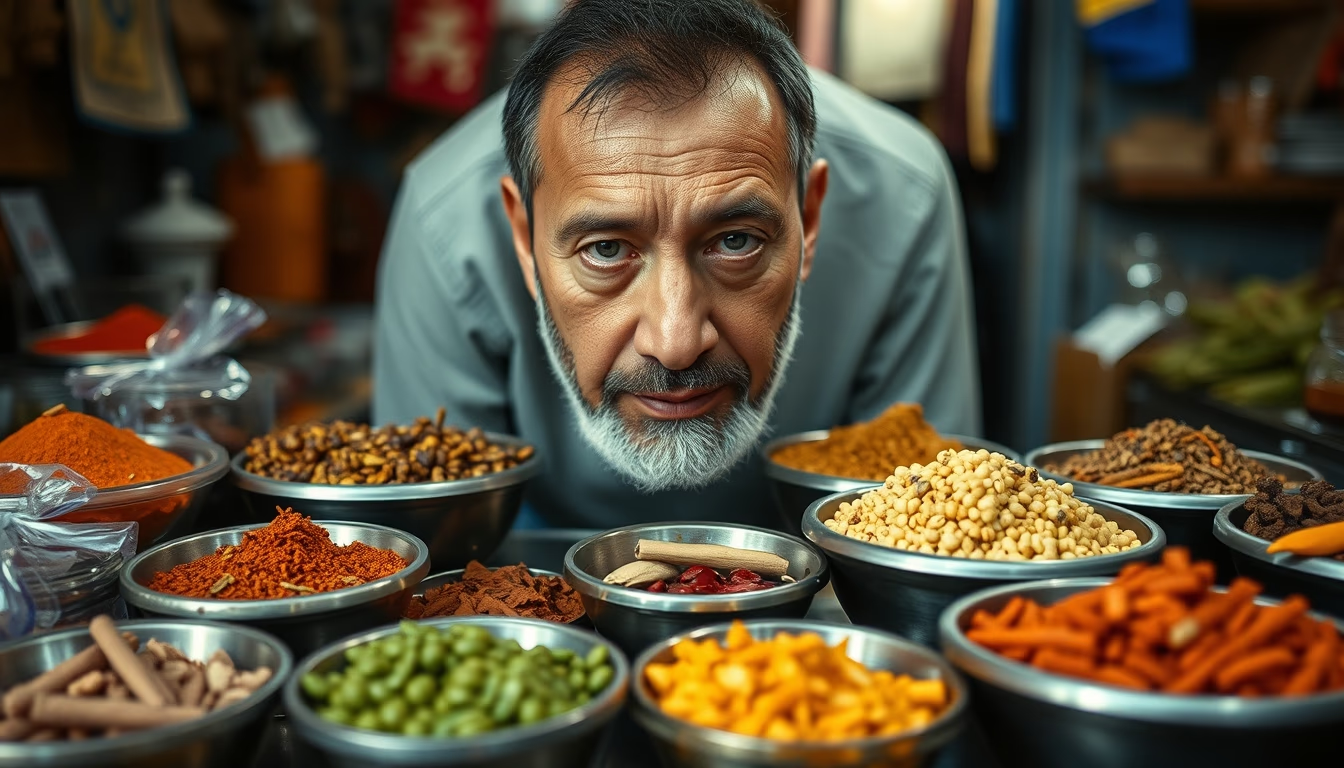
Silk Road spices such as cinnamon, cloves, and black pepper shaped global trade and the cuisines of three continents.
About this subject
The Silk Road was not merely a route for silk and gems but a vital corridor for spices that transformed ancient diets and medicine. Cinnamon from Sri Lanka, cloves from the Moluccas, black pepper from India, and saffron from Persia traveled by caravans crossing deserts and mountains from the Far East to the Mediterranean. These spices were so valuable that they were exchanged for coins and precious metals, and their control motivated maritime explorations and conflicts.
Each spice carried history and science. Cloves were used as antiseptics and anesthetics in ancient China, while cinnamon was considered a gift worthy of kings. Black pepper, native to Indian tropical forests, became the most traded spice in history, driving the Portuguese Empire and the East India Company. Saffron, extracted from the stigma of a flower, required thousands of blossoms for a single kilogram, justifying its astronomical price.
Beyond economic value, spices influenced traditional medicine. In Ayurveda and Chinese medicine, cinnamon and cloves were prescribed for digestive and respiratory issues. Black pepper was used to treat fevers and as a natural preservative. The trade also promoted plant exchange: ginger traveled from Asia to the Caribbean, and nutmeg from Banda to European colonies, reshaping ecosystems and palates.
Today, these spices are everyday items, but their past reveals how a handful of seeds and bark could connect distant cultures, generate immense wealth, and write decisive chapters of world history. The visual arrangement of these spices evokes the diversity and complexity of a trade network that lasted over a thousand years.
Frequently Asked Questions
Why were spices so expensive on the Silk Road?
Due to the complex and dangerous logistics: caravans traveled thousands of kilometers, facing bandits and deserts. Additionally, monopolies in specific regions, such as the Moluccas for cloves, allowed high prices.
Which spices were the most valuable on the Silk Road?
Black pepper, cinnamon, cloves, nutmeg, and saffron were among the most valuable. Pepper was so sought after that it was even used as currency in medieval Europe.
How did the Silk Road influence global cuisine?
It introduced exotic spices to different cuisines, such as cinnamon in North Africa and pepper in Europe. It also enabled flavor fusions, like sweet-and-sour dishes combining Asian spices with local ingredients.
Direct URL
https://pub-c7d6a6ea828543ac903a74a341ccb2e1.r2.dev/imagens/silk-road-spices-arrayed-lo-fi-disposable-camera-fresh0.avifHow to credit
Include a visible link back to UtilizAí. Copy one of the snippets below:
<a href="https://xn--utiliza-eza.com/en/midia/imagens/silk-road-spices-arrayed-lo-fi-disposable-camera-fresh0">Silk road spices arrayed</a> by <a href="https://xn--utiliza-eza.com">UtilizAí</a>, licensed under <a href="https://creativecommons.org/licenses/by/4.0/">CC BY 4.0</a>.
[Silk road spices arrayed](https://xn--utiliza-eza.com/en/midia/imagens/silk-road-spices-arrayed-lo-fi-disposable-camera-fresh0) by [UtilizAí](https://xn--utiliza-eza.com), CC BY 4.0
License: CC-BY-4.0