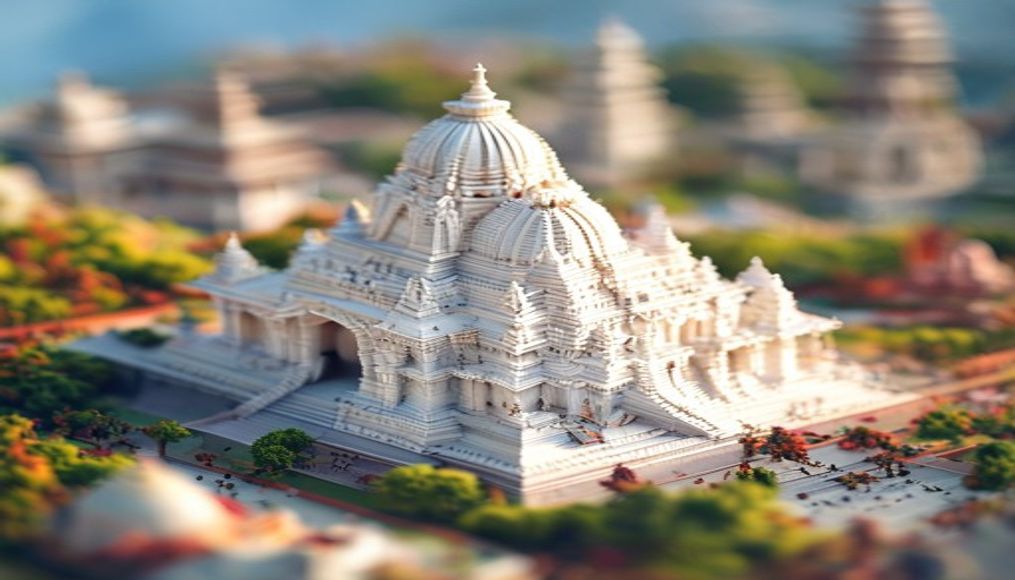
Sikh gurdwara golden
1344×768 · JPG · CC BY 4.0
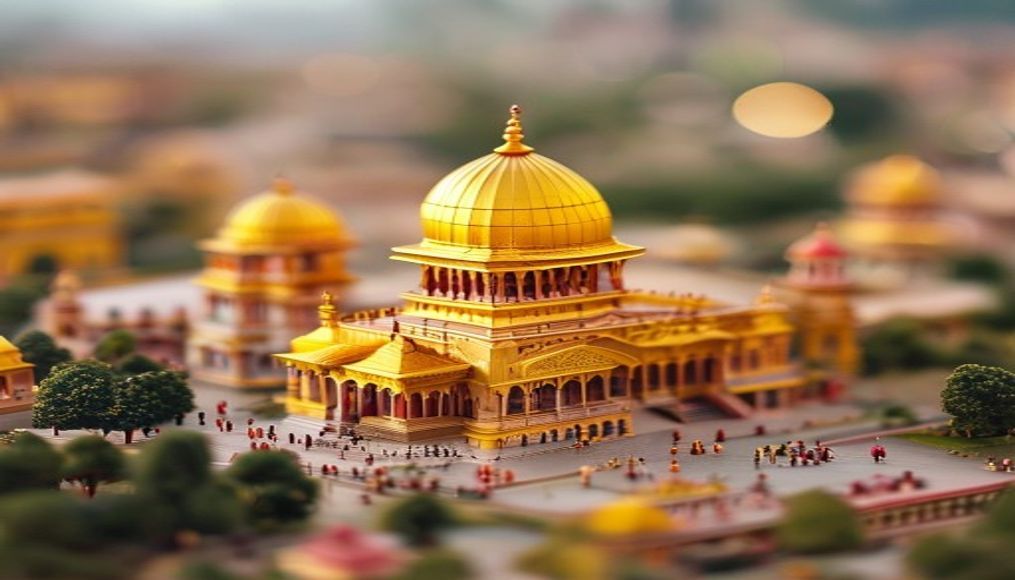
The Golden Temple in Amritsar is the spiritual center of Sikhism, one of the largest religious temples in the world, famous for its golden architecture and sacred lake.
About this subject
The Golden Temple, officially known as Harmandir Sahib, is located in Amritsar, Punjab, India. It is the holiest site in Sikhism, a religion founded in the 15th century by Guru Nanak. The temple was originally built in the 16th century by Guru Arjan Dev, the fifth Sikh guru, and was rebuilt in the 18th century after being destroyed by Afghan invaders. Its current structure dates from the 19th century, when Maharaja Ranjit Singh of the Sikh Empire covered the upper parts with gold, giving it the name "Golden Temple."
The temple complex is centered around the Amrit Sarovar, a sacred water tank meaning "pool of immortality." Devotees perform ritual baths in the lake, believing in its healing and purifying properties. Around the tank, there is a white marble walkway, and the main shrine stands in the middle, connected by a bridge. The architecture combines Hindu and Islamic styles, with golden domes and intricate marble and precious stone work.
A hallmark of Sikhism is the langar, a free community kitchen that serves vegetarian meals to all visitors, regardless of religion, caste, or nationality. The Golden Temple serves about 100,000 meals daily, making it the largest community kitchen in the world. The temple is open 24 hours a day, seven days a week, and houses the Guru Granth Sahib, the Sikh holy scripture, which is read continuously.
The Golden Temple is also a symbol of Sikh resistance and identity. During British colonial rule and after India's independence, the temple was the site of important political events, including Operation Blue Star in 1984. Today, it attracts millions of pilgrims and tourists annually, especially during the festival of Vaisakhi, which celebrates the founding of the Khalsa order.
Frequently Asked Questions
Why is the Golden Temple golden?
The Golden Temple gets its name because its upper parts are covered with pure gold. This gilding was done in the 19th century by order of Maharaja Ranjit Singh, who donated the gold to embellish the holiest shrine of Sikhism.
What is the langar at the Golden Temple?
The langar is a free community kitchen at the Golden Temple complex that serves vegetarian meals to all visitors, regardless of background. It operates 24/7 and serves about 100,000 meals daily, making it the largest community kitchen in the world.
What is the significance of the Amrit Sarovar lake?
The Amrit Sarovar, or "pool of immortality," is the sacred tank surrounding the Golden Temple. Sikhs believe its waters have healing and spiritual properties, and taking a bath in the lake is an act of purification and devotion.
Direct URL
https://pub-c7d6a6ea828543ac903a74a341ccb2e1.r2.dev/imagens/sikh-gurdwara-golden-tilt-shift-miniature-p3.jpgHow to credit
Include a visible link back to UtilizAí. Copy one of the snippets below:
<a href="https://xn--utiliza-eza.com/en/midia/imagens/sikh-gurdwara-golden-tilt-shift-miniature-p3">Sikh gurdwara golden</a> by <a href="https://xn--utiliza-eza.com">UtilizAí</a>, licensed under <a href="https://creativecommons.org/licenses/by/4.0/">CC BY 4.0</a>.
[Sikh gurdwara golden](https://xn--utiliza-eza.com/en/midia/imagens/sikh-gurdwara-golden-tilt-shift-miniature-p3) by [UtilizAí](https://xn--utiliza-eza.com), CC BY 4.0
License: CC-BY-4.0