Shopping mall crowd during Black Friday sales
1344×768 · AVIF · CC BY 4.0
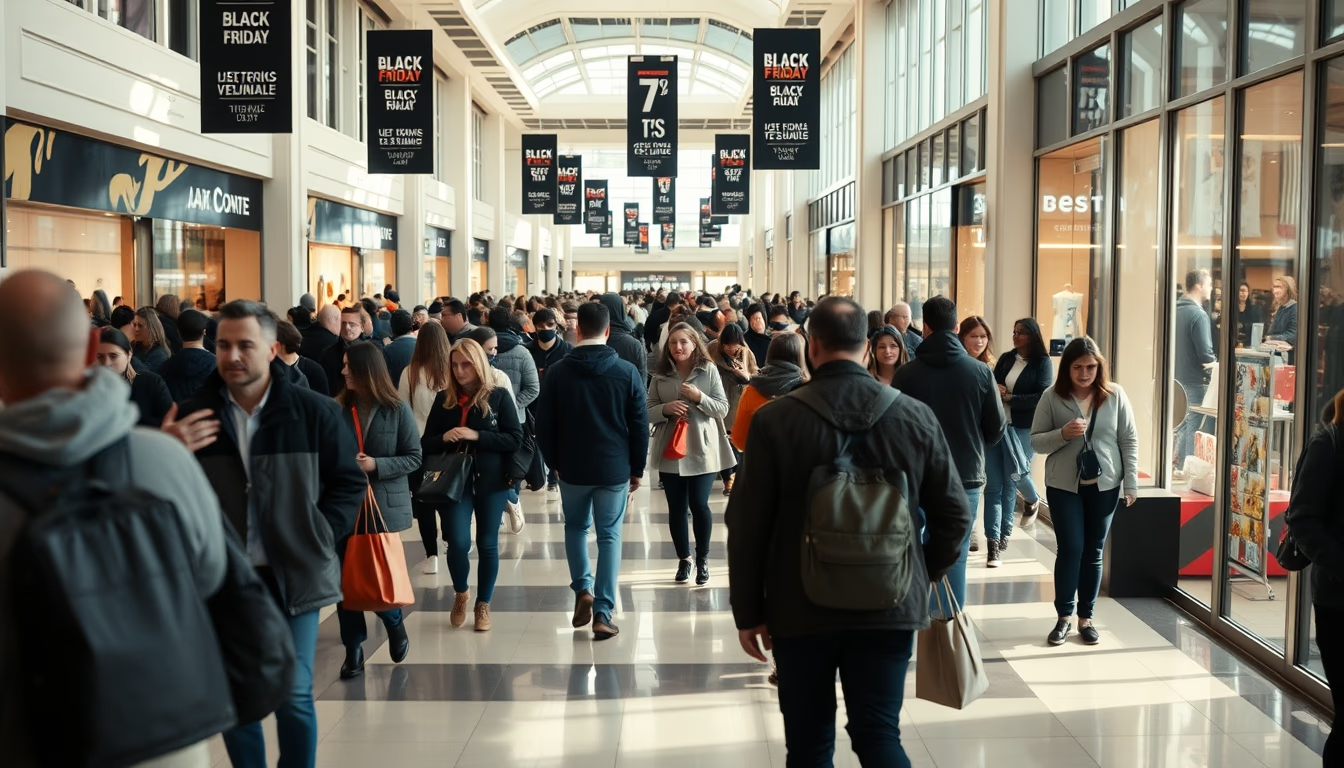
Crowd at a shopping mall during Black Friday sales, with intense movement in stores and hallways.
About this subject
Black Friday, which originated in the United States in the 1950s, has become a global consumer phenomenon. In Brazil, the event gained momentum from 2010 onward, with physical stores and online retailers offering significant discounts on the last Friday of November. At shopping malls, the date is marked by long queues, flash sales, and a flow of people that can triple compared to normal days. According to the Brazilian Association of Shopping Center Retailers (Alshop), foot traffic in 2023 increased by 12% over the previous year, with highlights in electronics, clothing, and footwear.
Brazilian shopping malls, such as Shopping Eldorado in São Paulo or BarraShopping in Rio de Janeiro, prepare months in advance: they hire extra security, organize parking lots, and create waiting areas. Many open earlier and close later, and some offer breakfast or entertainment to ease the wait. Despite the commercial appeal, Black Friday is also criticized for practices like "half of double," when stores raise prices before reducing them. Procon and consumer protection agencies intensify oversight, advising consumers to research prices in advance and keep receipts.
Interestingly, the term "Black Friday" has controversial origins: one version says it refers to the day when retailers go from being in the red (loss) to the black (profit) in their accounting books. Another associates it with a major traffic jam in Philadelphia in 1961 caused by shoppers. In Brazil, the event has expanded to e-commerce, with Black Friday Online moving R$ 6.1 billion in 2023, according to Neotrust. The image of a crowd in a mall reflects both the excitement over deals and the logistical complexity of serving thousands of consumers simultaneously.
For retailers, Black Friday represents an opportunity to clear inventory and increase annual revenue. For consumers, it is a chance to purchase desired products at lower prices, but it requires planning to avoid pitfalls. Tips such as creating a wish list, comparing prices on websites and apps, and being wary of extremely high discounts are common in consumer guides. The experience at the mall, with lines and crowds, contrasts with the convenience of online shopping, but many Brazilians still prefer to see and test products before buying, especially for higher-value items.
Frequently Asked Questions
What is the origin of Black Friday?
Black Friday originated in the United States in the 1950s, initially associated with traffic jams in Philadelphia after Thanksgiving. Commercially, it marks the start of Christmas shopping with major discounts.
How to prepare for Black Friday at malls?
Research prices in advance, create a wish list, arrive early to avoid lines, and check return policies. Use price comparison apps and be wary of exaggerated discounts.
What are the main risks for consumers on Black Friday?
Practices like 'half of double' (price hike followed by fake discount), defective or low-quality products, and difficult returns. Keep receipts and report irregularities to consumer protection agencies.
Direct URL
https://pub-c7d6a6ea828543ac903a74a341ccb2e1.r2.dev/imagens/shopping-mall-crowd-during-black-friday-sales-documentary-morning-3.avifHow to credit
Include a visible link back to UtilizAí. Copy one of the snippets below:
<a href="https://xn--utiliza-eza.com/en/midia/imagens/shopping-mall-crowd-during-black-friday-sales-documentary-morning-3">Shopping mall crowd during Black Friday sales</a> by <a href="https://xn--utiliza-eza.com">UtilizAí</a>, licensed under <a href="https://creativecommons.org/licenses/by/4.0/">CC BY 4.0</a>.
[Shopping mall crowd during Black Friday sales](https://xn--utiliza-eza.com/en/midia/imagens/shopping-mall-crowd-during-black-friday-sales-documentary-morning-3) by [UtilizAí](https://xn--utiliza-eza.com), CC BY 4.0
License: CC-BY-4.0