Modern retail store minimalist
1344×768 · AVIF · CC BY 4.0
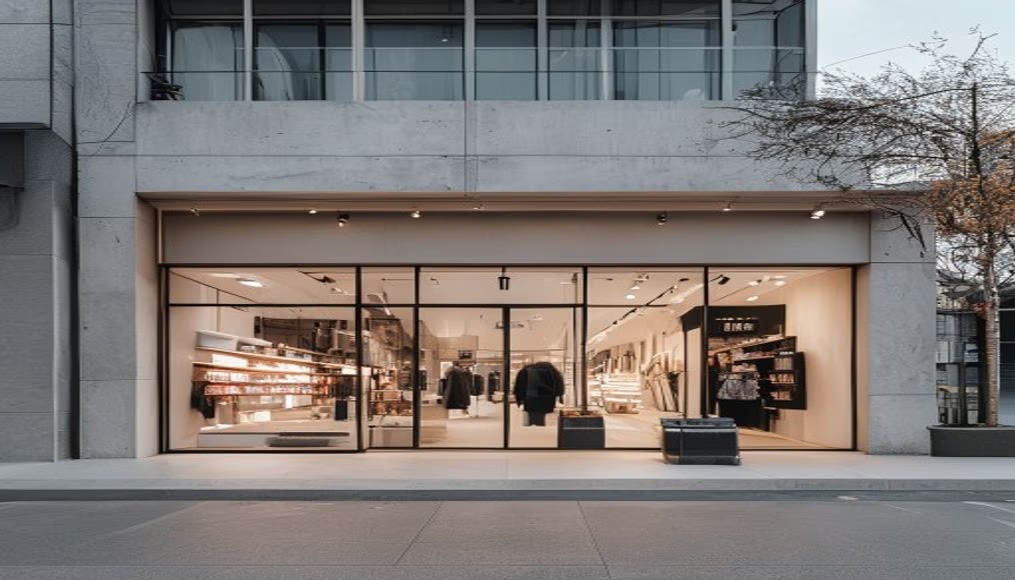
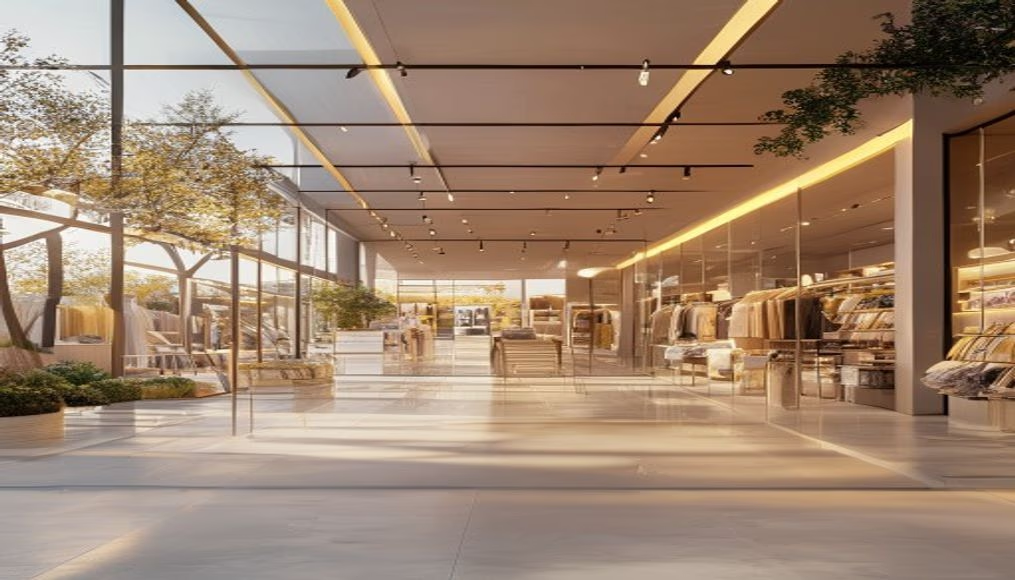
Minimalist retail stores blend clean design and efficiency to create shopping experiences that highlight the product and the space.
About this subject
Minimalism in retail is an aesthetic and functional approach that prioritizes simplicity, clarity, and the absence of excess. Minimalist stores often use neutral color palettes, diffused lighting, and discreet furniture so that the focus remains on the displayed products. This trend gained momentum in the 2000s, influenced by brands like Apple, Muji, and Cos, which transformed shopping into a sensory and intuitive experience.
In Brazil, the minimalist store concept has been adopted by fashion labels, bookstores, and even supermarkets. The use of natural materials, such as exposed concrete, light wood, and glass, is common, along with open layouts that encourage movement. Studies in neuroarchitecture indicate that minimalist environments reduce consumer anxiety and increase time spent in the store, which can boost conversion rates.
An emblematic example is the Muji store in São Paulo, which follows the Japanese 'less is more' concept with modular shelving and simplified displays. The Brazilian brand Farm, on the other hand, adopts a minimalist aesthetic with tropical touches, balancing vibrant colors in a clean setting. These spaces not only sell products but also tell a brand story based on transparency and sophistication.
Street photography of minimalist stores captures the interaction between architecture, natural light, and pedestrians. On busy avenues, glass facades and discreet signage create contrasts with the urban surroundings. This documentary record is valuable for architects and designers studying consumption trends and the appropriation of public space.
Frequently Asked Questions
What is the origin of minimalist store design?
Minimalist store design traces back to early 20th-century modernism and was popularized by brands like Muji and Apple, which adopted simplicity as a branding strategy from the 2000s onward.
How does minimalism influence consumer behavior?
Minimalist environments reduce distractions and stress, aiding decision-making. Studies show consumers spend more time in clean stores and perceive higher value in displayed products.
What materials are common in Brazilian minimalist stores?
Exposed concrete, light wood, glass, and neutral-tone metals are prevalent. Indirect lighting and natural plants are often used to create coziness without visual clutter.
Direct URL
https://pub-c7d6a6ea828543ac903a74a341ccb2e1.r2.dev/imagens/modern-retail-store-minimalist-street-photography-v11.avifHow to credit
Include a visible link back to UtilizAí. Copy one of the snippets below:
<a href="https://xn--utiliza-eza.com/en/midia/imagens/modern-retail-store-minimalist-street-photography-v11">Modern retail store minimalist</a> by <a href="https://xn--utiliza-eza.com">UtilizAí</a>, licensed under <a href="https://creativecommons.org/licenses/by/4.0/">CC BY 4.0</a>.
[Modern retail store minimalist](https://xn--utiliza-eza.com/en/midia/imagens/modern-retail-store-minimalist-street-photography-v11) by [UtilizAí](https://xn--utiliza-eza.com), CC BY 4.0
License: CC-BY-4.0