Shamisen japanese
1344×768 · AVIF · CC BY 4.0
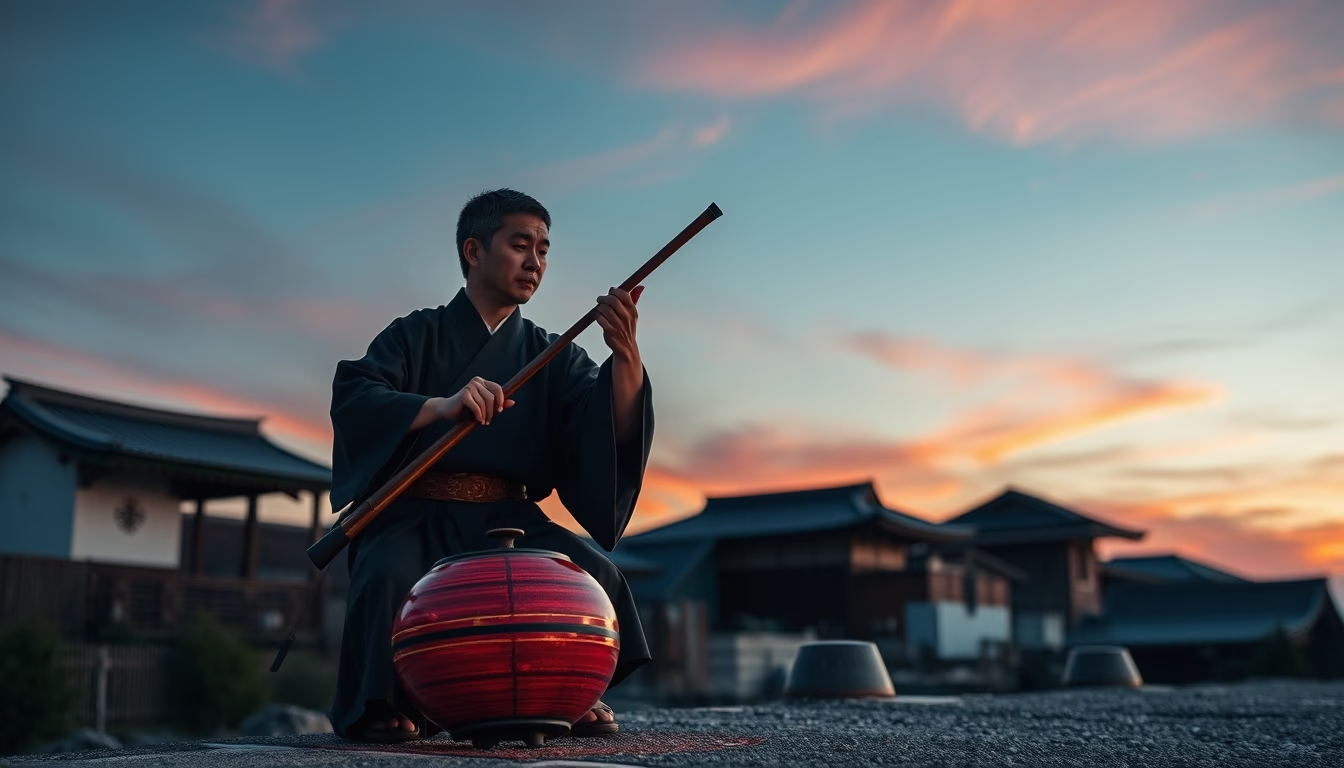
The shamisen is a three-stringed plucked instrument fundamental to traditional Japanese music, originating from the Okinawan sanshin.
About this subject
The shamisen, also called sangen, is a three-stringed lute that reached Japan from China via the Ryukyu Kingdom (present-day Okinawa) in the 16th century. Its construction typically includes a rectangular body covered with animal skin (traditionally cat or dog, now often synthetic), a long fretless neck, and three strings made of silk, nylon, or steel. The instrument is played with a large plectrum called bachi, usually made of wood, ivory, or plastic.
There are three main sizes of shamisen: hosozao (thin neck, used in kabuki theater and nagauta music), chuuzao (medium neck, common in kouta and shinnai), and futozao (thick neck, typical of bunraku theater and gidayu genre). Each type produces a distinct sound, from the piercing high pitch of hosozao to the deep, rich tone of futozao. The shamisen is also central to minyo (folk music) and enka, a modern popular genre.
Historically, the shamisen was associated with blind itinerant performers (goze) who traveled and told stories. During the Edo period, it gained popularity among the merchant class and was used to accompany dramatic narratives. In Okinawa, the precursor sanshin is an important cultural symbol, often decorated with a carved dragon head. The shamisen has influenced even modern instruments, such as the electric shamisen used in fusions with rock and jazz.
Interestingly, there are regional variations like the tsugaru-shamisen, originating from Tsugaru in northern Honshu, known for its percussive, virtuosic technique with strong bachi strikes on the skin. This style has gained international fame in recent decades. The shamisen continues to be taught in traditional music schools and appreciated both in Japan and abroad.
Frequently Asked Questions
What is the difference between shamisen and sanshin?
The shamisen and sanshin are both three-stringed instruments, but the sanshin originates from Okinawa and has a smaller body, thinner neck, and is covered with snake skin. The shamisen developed in mainland Japan with a body usually covered with cat or dog skin, a longer neck, and a larger plectrum (bachi).
Is the shamisen difficult to learn?
Yes, the shamisen requires practice to master posture, bachi technique, and tuning. The vibrato (yuri) and rhythmic patterns (hiki) are challenging. However, with dedication, simple melodies can be played within a few months.
What materials are used to make a traditional shamisen?
Traditionally, the body is made of mulberry or kiri (paulownia) wood, covered with cat or dog skin. The neck is made of persimmon (kaki) or mahogany. Strings were silk, but now nylon or steel are also used. The bachi is made of ivory, wood, or plastic.
Direct URL
https://pub-c7d6a6ea828543ac903a74a341ccb2e1.r2.dev/imagens/shamisen-japanese-long-exposure-p8.avifHow to credit
Include a visible link back to UtilizAí. Copy one of the snippets below:
<a href="https://xn--utiliza-eza.com/en/midia/imagens/shamisen-japanese-long-exposure-p8">Shamisen japanese</a> by <a href="https://xn--utiliza-eza.com">UtilizAí</a>, licensed under <a href="https://creativecommons.org/licenses/by/4.0/">CC BY 4.0</a>.
[Shamisen japanese](https://xn--utiliza-eza.com/en/midia/imagens/shamisen-japanese-long-exposure-p8) by [UtilizAí](https://xn--utiliza-eza.com), CC BY 4.0
License: CC-BY-4.0