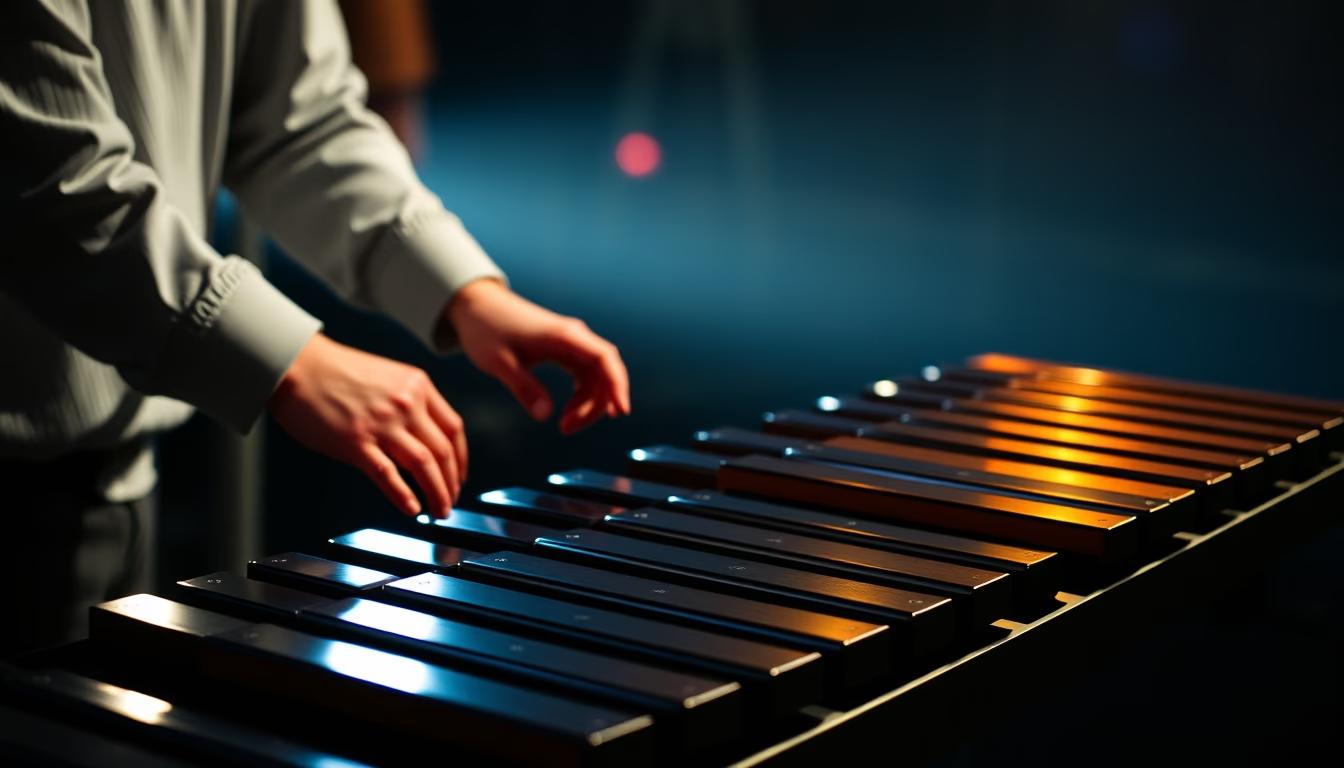
Shamisen japanese
1344×768 · AVIF · CC BY 4.0
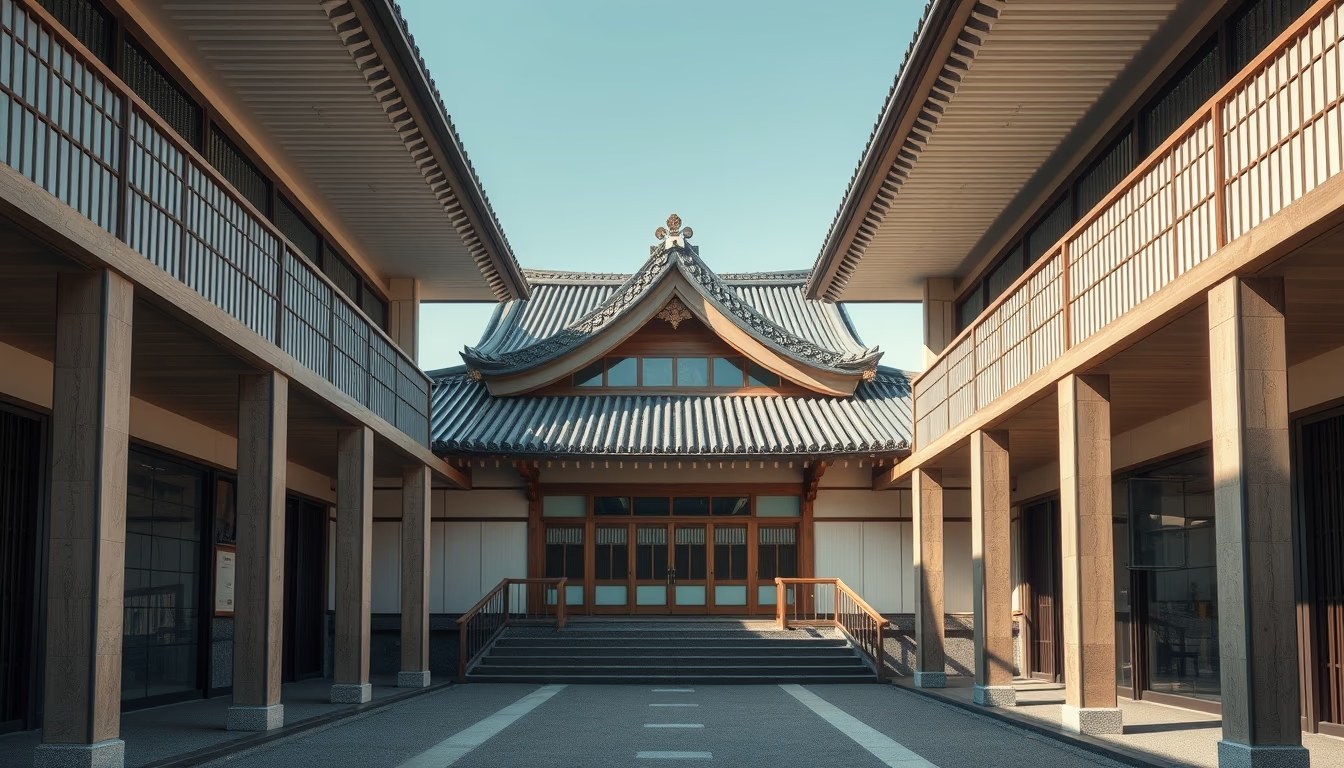
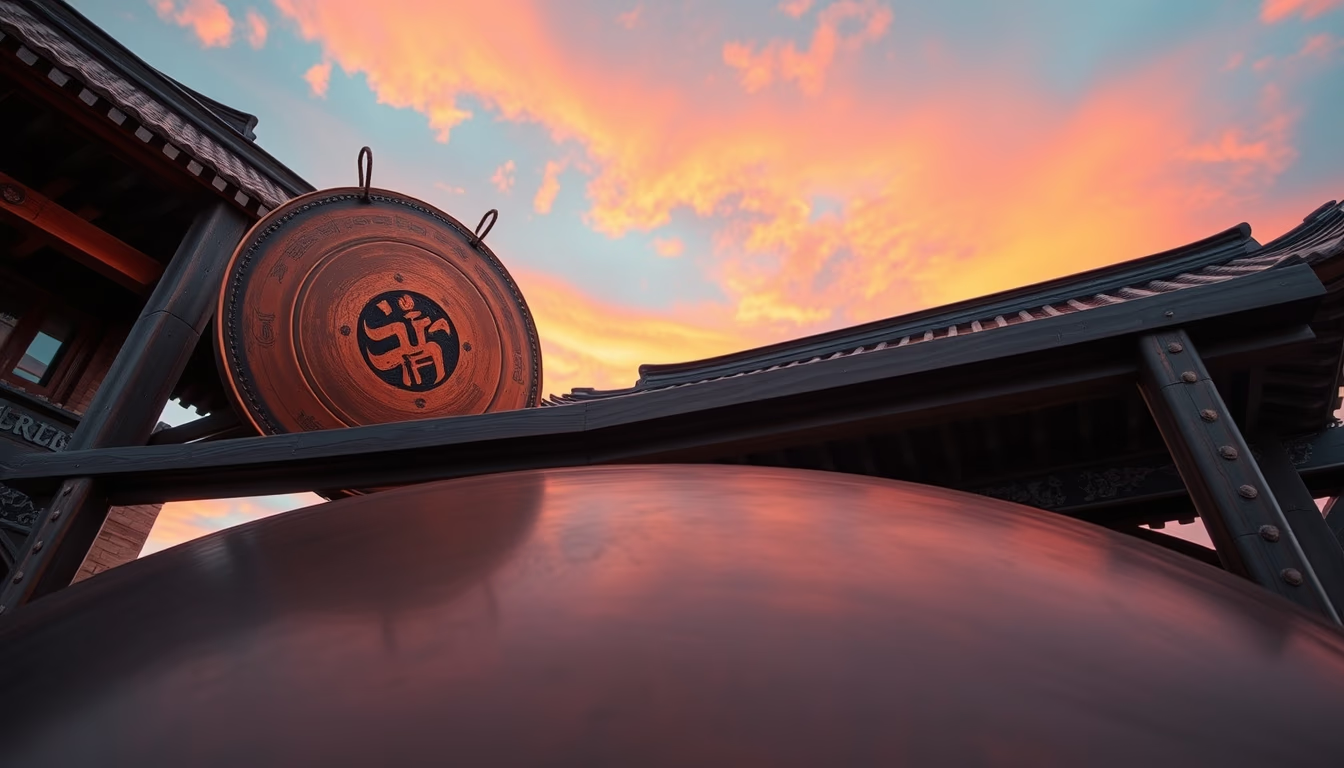
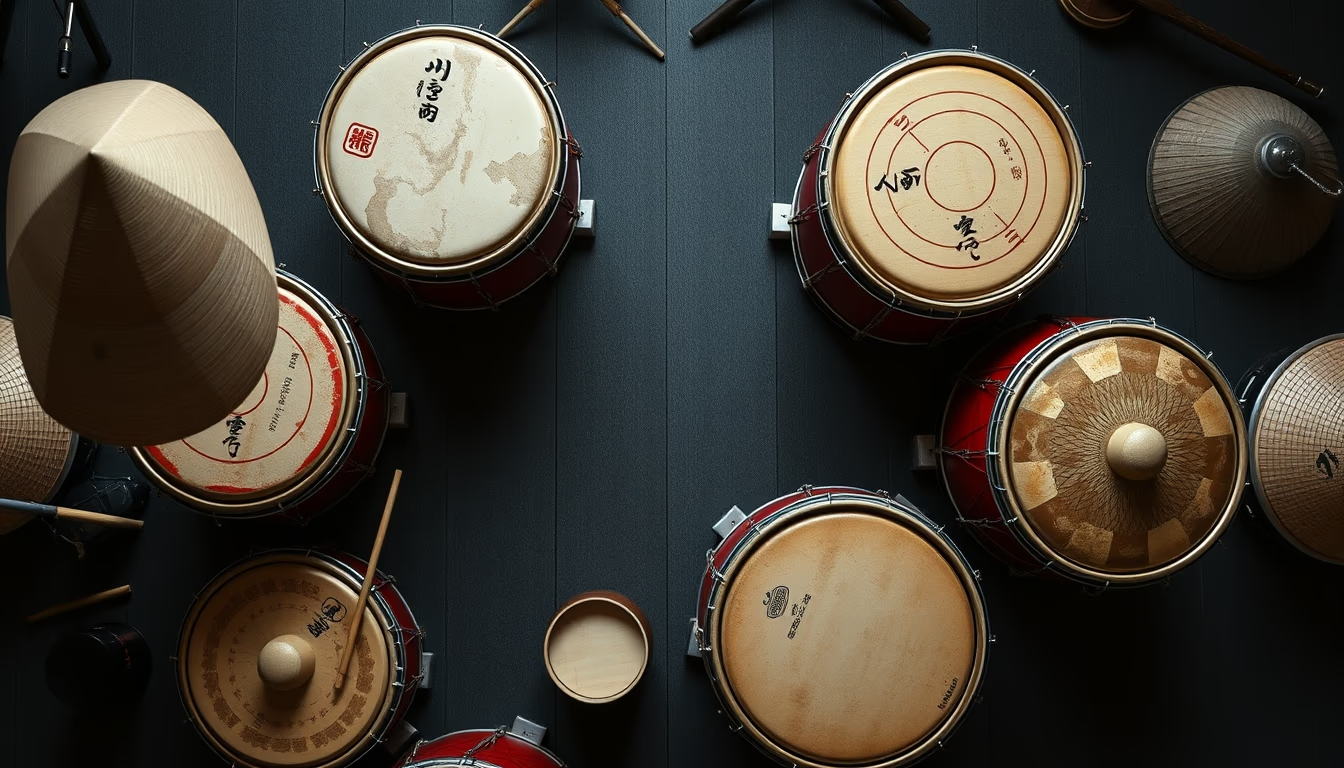
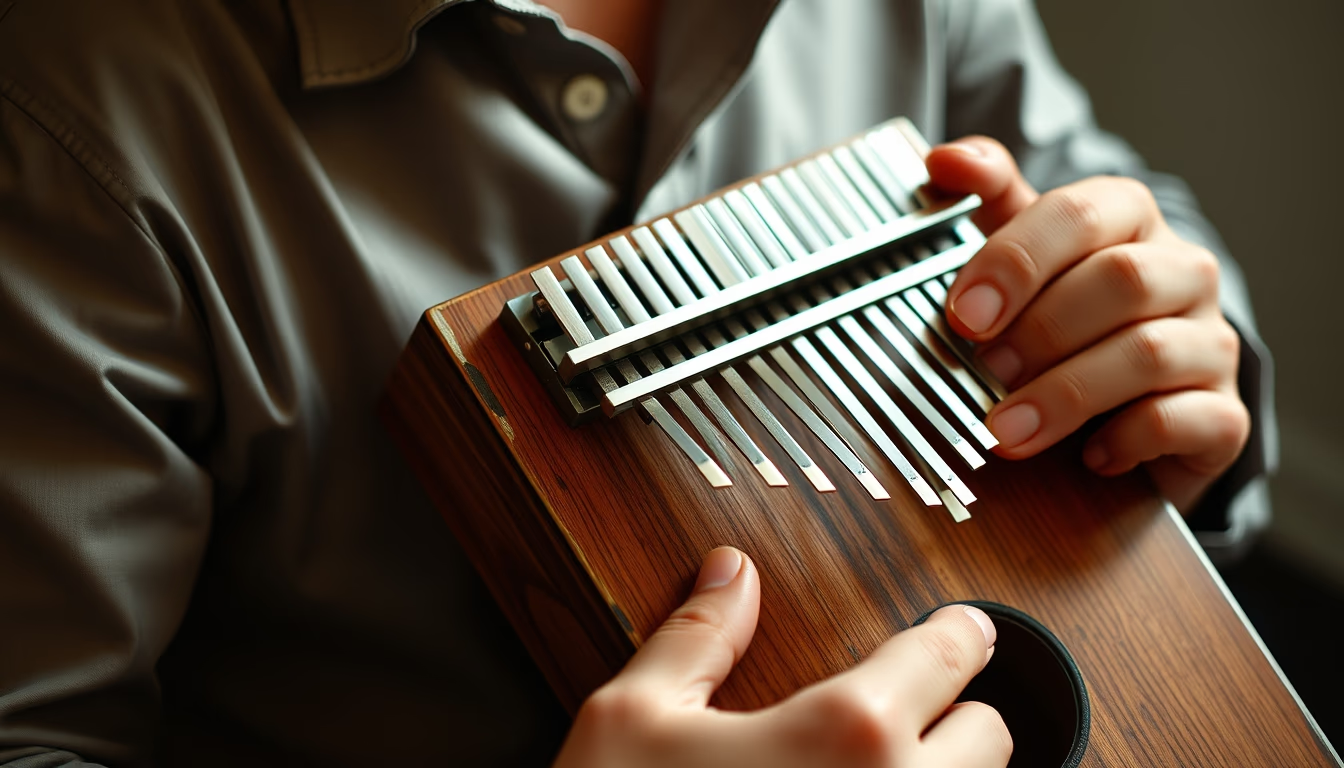
Japanese shamisen, a three-stringed plucked instrument, essential in traditional Japanese music like kabuki and bunraku theater.
About this subject
The shamisen is a Japanese plucked string instrument with three strings and a long fretless neck. Its resonance box is covered with animal skin, typically cat or dog, though modern versions use synthetic materials. The instrument is played with a large plectrum called bachi, made of wood, ivory, or plastic. The shamisen produces a distinctive sound, both percussive and melodic, capable of conveying a wide range of emotions from joy to melancholy.
Historically, the shamisen arrived in Japan from China via Okinawa in the 16th century, where it was known as the sanshin. It quickly adapted to Japanese culture, becoming central to genres such as kabuki theater, bunraku puppet theater, and folk music min'yo. During the Edo period (1603-1868), the shamisen was popular among all social classes, from samurai to merchants. There are different types of shamisen, varying in size, neck thickness, and skin type, each suited to specific musical styles.
The manufacturing process of the shamisen is artisanal and complex. The neck wood is typically mulberry or mahogany, and the soundbox is carved from mulberry or paulownia wood. String tension is adjusted by three large tuning pegs. The instrument is tuned in several ways, the most common being honchoshi, niagari, and sansagari. Playing techniques include rhythmic strikes and vibrato on the body, as well as glissandos and harmonics. The shamisen has also influenced Western music, appearing in film scores and in fusions with jazz and rock.
Culturally, the shamisen carries deep symbolism. It is associated with historical figures like the blind musicians of the Edo period, who transmitted stories and chronicles through their songs. The instrument also appears in traditional ceremonies and festivals. Today, the shamisen is taught in traditional music schools, and there are national competitions in Japan. Contemporary musicians such as the Yoshida Brothers have modernized the instrument, integrating it into pop and electronic music, expanding its global appeal.
Frequently Asked Questions
What is the origin of the shamisen?
The shamisen originates from the Okinawan sanshin, which itself came from China. It was introduced to mainland Japan in the 16th century and quickly adapted to Japanese culture.
How is the shamisen played?
The shamisen is played with a plectrum called bachi. The musician plucks or strikes the strings with the bachi, and uses the left hand to press the strings against the neck, producing different notes and techniques such as vibrato and glissandos.
What are the main musical styles that use the shamisen?
The shamisen is essential in kabuki theater, bunraku puppet theater, and folk music min'yo. It is also used in classical Japanese music and contemporary fusions with jazz, rock, and pop music.
Direct URL
https://pub-c7d6a6ea828543ac903a74a341ccb2e1.r2.dev/imagens/shamisen-japanese-architectural-photography-p4.avifHow to credit
Include a visible link back to UtilizAí. Copy one of the snippets below:
<a href="https://xn--utiliza-eza.com/en/midia/imagens/shamisen-japanese-architectural-photography-p4">Shamisen japanese</a> by <a href="https://xn--utiliza-eza.com">UtilizAí</a>, licensed under <a href="https://creativecommons.org/licenses/by/4.0/">CC BY 4.0</a>.
[Shamisen japanese](https://xn--utiliza-eza.com/en/midia/imagens/shamisen-japanese-architectural-photography-p4) by [UtilizAí](https://xn--utiliza-eza.com), CC BY 4.0
License: CC-BY-4.0