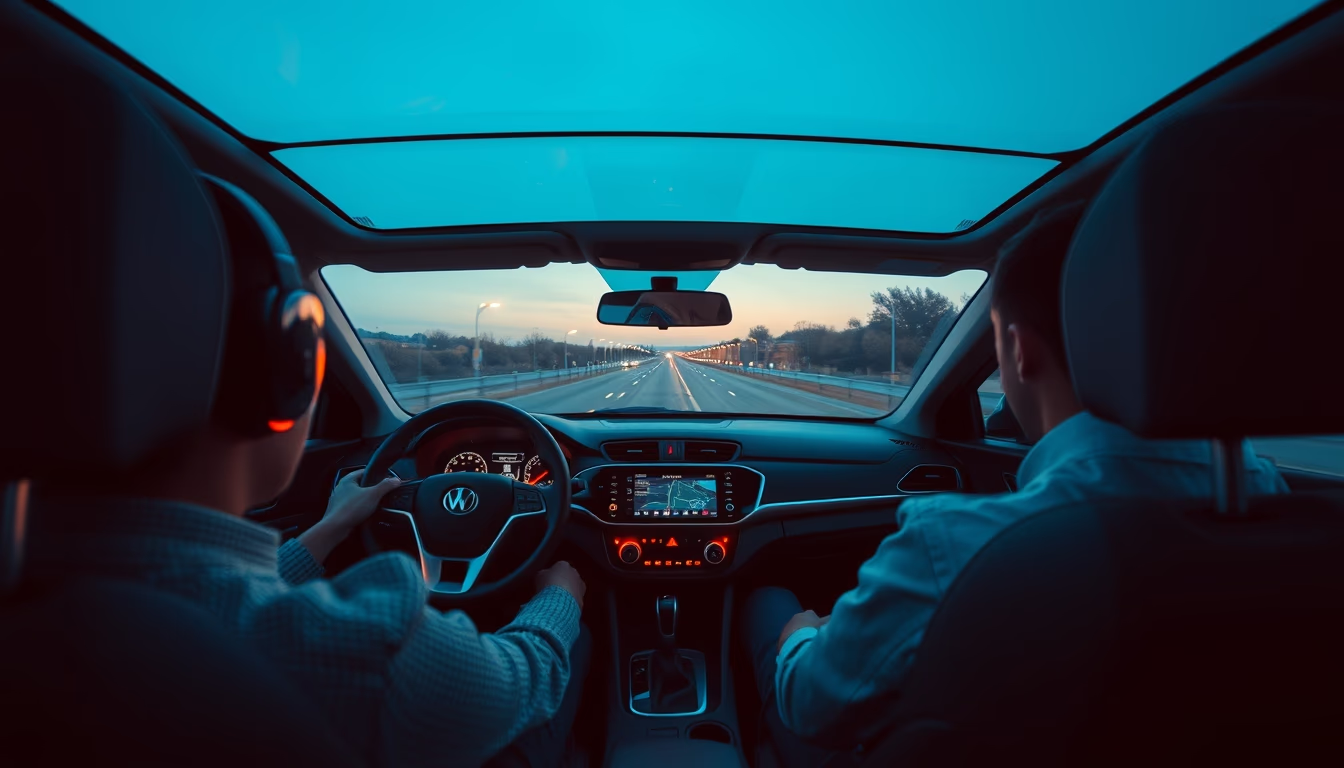
Self driving car interior
1344×768 · AVIF · CC BY 4.0
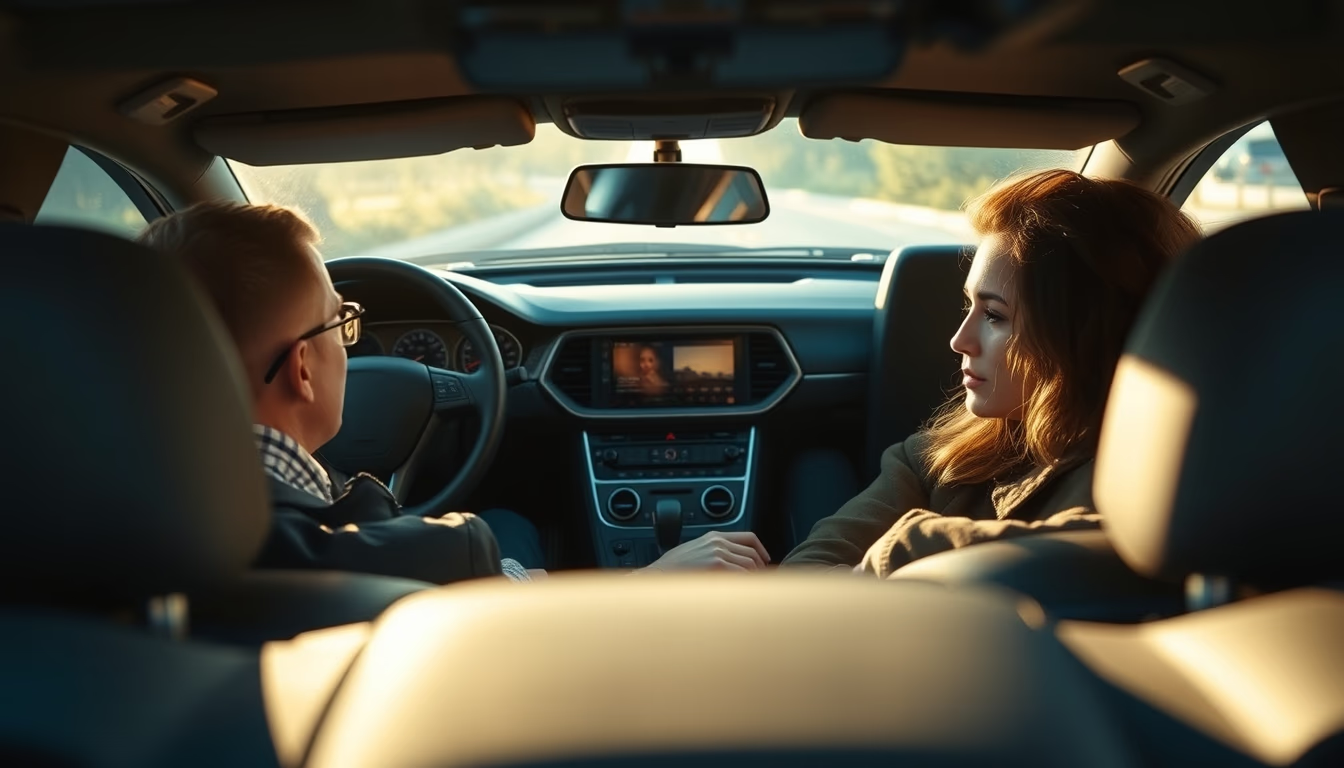
The interior of self-driving cars is being redesigned to prioritize comfort, productivity, and entertainment, eliminating steering wheels and pedals.
About this subject
With the removal of the steering wheel and pedals, the interiors of autonomous vehicles are being transformed into mobile living rooms. Companies like Waymo and Cruise already operate commercial fleets with swivel seats, retractable tables, and large touchscreens. The focus is on creating an environment where passengers can work, relax, or be entertained during the journey. Adjustable ambient lighting and antimicrobial materials are trends to ensure comfort and hygiene.
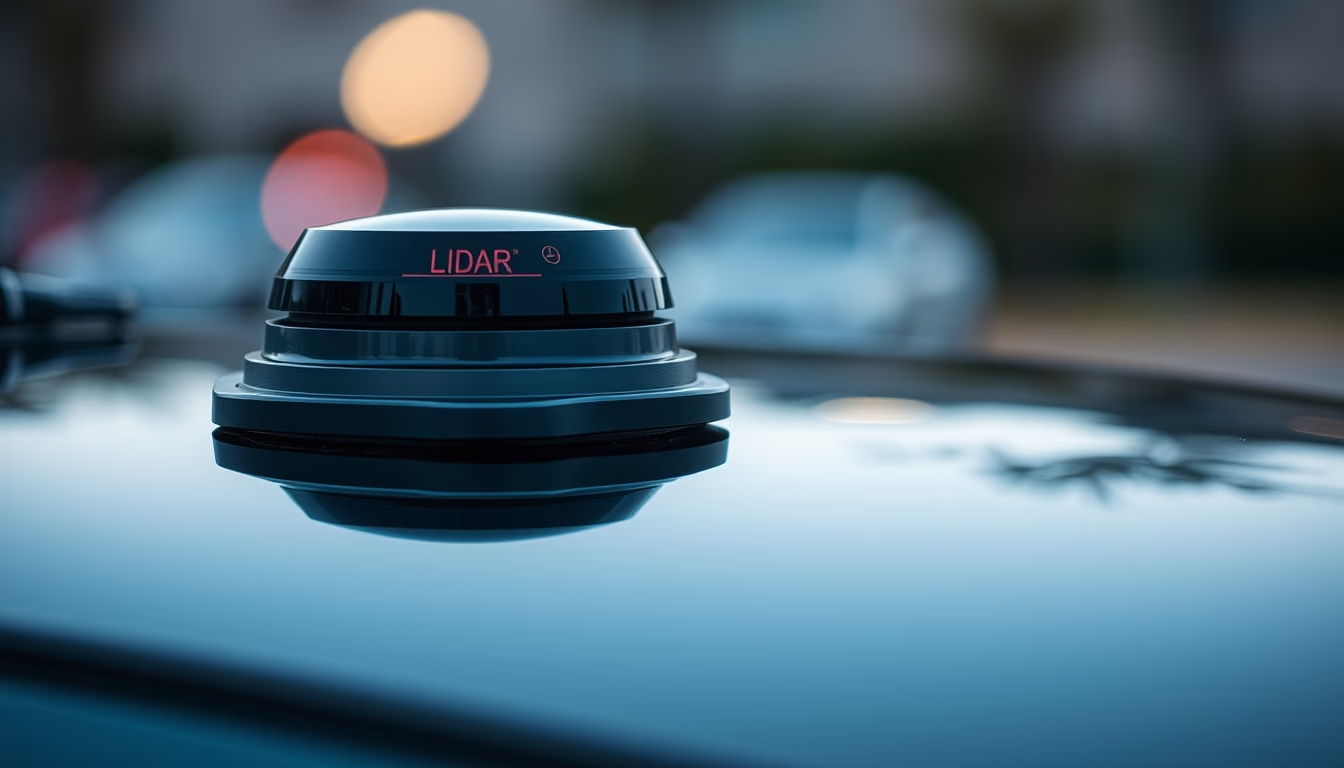
Embedded technology replaces traditional interfaces. LiDAR sensors, cameras, and radar map the surroundings, while voice and gesture recognition controls functions like navigation and entertainment. Concepts such as Cruise's Origin and Tesla's Robovan showcase modular interiors with configurable seating. 5G connectivity enables high-quality streaming and video calls without interruptions.
One major challenge is perceived safety. Passengers may feel uneasy without a visible human driver; to mitigate this, vehicles display real-time information about the route and system status. Studies show that visual and auditory feedback increases trust. Additionally, seat structure and weight distribution are designed to minimize injury in collisions, even without traditional driving posture.
Regulation remains a hurdle. In Brazil, Contran is discussing rules for autonomous vehicles, while countries like Germany and the US already have standards for experimental fleets. It is expected that, by 2030, autonomous interiors will be common in mobility services, with configurations that adapt to the purpose of the trip: office, cinema, or bedroom.
Frequently Asked Questions
How does the interior of a self-driving car work?
The interior is designed without a steering wheel or pedals, featuring seats that can swivel or recline, interactive screens, and voice control systems. Sensors and cameras replace human driving, allowing passengers to engage in other activities.
Which self-driving cars already have interiors without a steering wheel?
Models like Waymo One and Cruise Origin operate commercially without a steering wheel. Tesla also unveiled the Robovan, a concept with no driver cabin, and several automakers are testing similar prototypes.
Are the interiors safe in case of an accident?
Yes. Seats are designed with seat belts and airbags adapted for different positions. The vehicle structure is optimized for impact absorption, and sensors monitor occupancy to adjust protection.
Direct URL
https://pub-c7d6a6ea828543ac903a74a341ccb2e1.r2.dev/imagens/self-driving-car-interior-documentary-photography-p3.avifHow to credit
Include a visible link back to UtilizAí. Copy one of the snippets below:
<a href="https://xn--utiliza-eza.com/en/midia/imagens/self-driving-car-interior-documentary-photography-p3">Self driving car interior</a> by <a href="https://xn--utiliza-eza.com">UtilizAí</a>, licensed under <a href="https://creativecommons.org/licenses/by/4.0/">CC BY 4.0</a>.
[Self driving car interior](https://xn--utiliza-eza.com/en/midia/imagens/self-driving-car-interior-documentary-photography-p3) by [UtilizAí](https://xn--utiliza-eza.com), CC BY 4.0
License: CC-BY-4.0