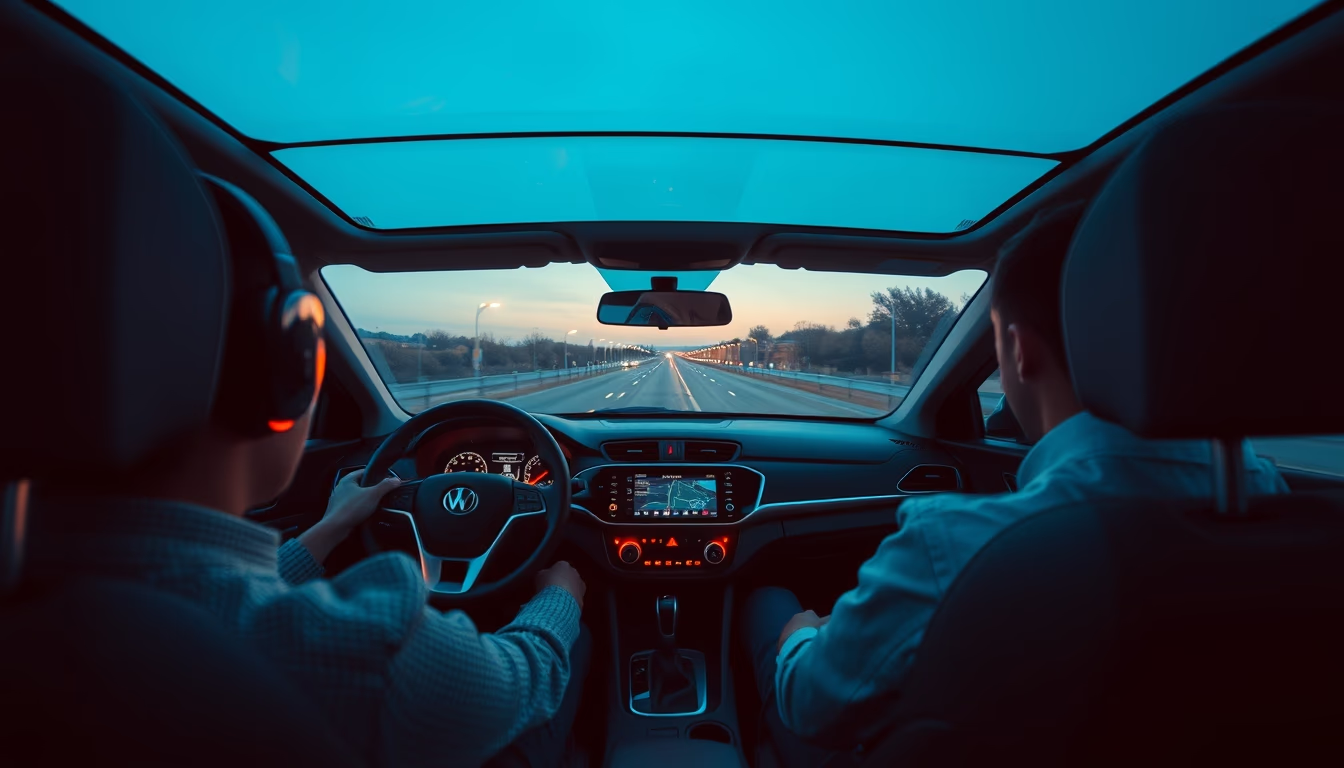
Self driving car interior
1344×768 · AVIF · CC BY 4.0
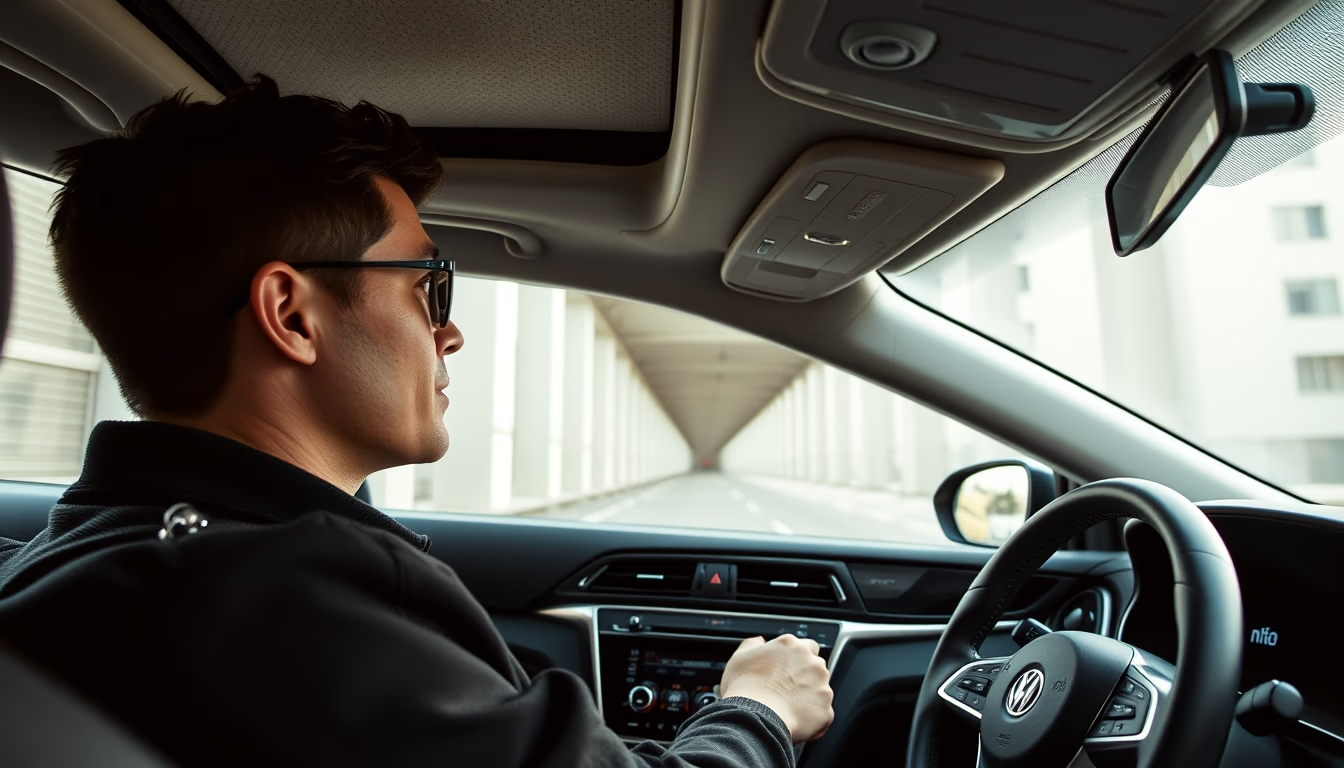
The interior of an autonomous car highlights passenger-centric design, featuring rotating seats and digital dashboards that envision the mobility experience of the near future.
About this subject
The interiors of autonomous vehicles represent a departure from traditional automotive design. Instead of a driver-focused cockpit, the space transforms into a mobile living room where comfort and connectivity are priorities. Seats can rotate to allow face-to-face conversations, and flat surfaces replace the steering wheel and pedals. Automakers like Mercedes-Benz and Waymo have already presented concepts such as the F015 and the adapted Jaguar I-PACE, which exemplify this new architecture.
The integration of touchscreens, voice commands, and virtual assistants creates an intuitive human-machine interface. Additionally, dynamic ambient lighting and sustainable materials such as vegan leather and recycled wood reinforce a sense of well-being. By 2026, these vehicles are expected to offer complete digital ecosystems with streaming, augmented reality, and integration with smart home devices.
Architectural photography plays a crucial role in showcasing these interiors. By framing clean lines, symmetry, and textures, it helps the public visualize the autonomous car as a desirable and functional environment. This visual approach is essential to overcome initial distrust of the technology and highlight usage possibilities, from mobile home offices to entertainment on long trips.
In the global context, autonomous interior design varies according to regional needs. In Asia, there is a strong emphasis on compact spaces and privacy, while in Europe, minimalist aesthetics prevail. Brazil, for its part, still awaits regulatory milestones for advanced testing, but adaptation for urban public transportation is already being discussed, with interiors that maximize capacity without sacrificing comfort.
Frequently Asked Questions
How does the interior of an autonomous car differ from a conventional car?
The main difference is the absence of a steering wheel, pedals, and driver-oriented dashboard. The space is reorganized for passengers with rotating seats, tables, and interactive screens, creating a more social and productive environment.
What are the main design challenges in autonomous vehicle interiors?
Challenges include ensuring safety in all seat configurations, integrating entertainment systems without distractions, and using durable, sustainable materials that also convey comfort and luxury.
What is the forecast for autonomous car adoption in Brazil by 2026?
Adoption in Brazil depends on regulatory and infrastructure developments. By 2026, controlled testing and limited commercial fleets are expected, with interiors designed for applications such as public transportation and ride-sharing services.
Direct URL
https://pub-c7d6a6ea828543ac903a74a341ccb2e1.r2.dev/imagens/self-driving-car-interior-architectural-photography-p0.avifHow to credit
Include a visible link back to UtilizAí. Copy one of the snippets below:
<a href="https://xn--utiliza-eza.com/en/midia/imagens/self-driving-car-interior-architectural-photography-p0">Self driving car interior</a> by <a href="https://xn--utiliza-eza.com">UtilizAí</a>, licensed under <a href="https://creativecommons.org/licenses/by/4.0/">CC BY 4.0</a>.
[Self driving car interior](https://xn--utiliza-eza.com/en/midia/imagens/self-driving-car-interior-architectural-photography-p0) by [UtilizAí](https://xn--utiliza-eza.com), CC BY 4.0
License: CC-BY-4.0