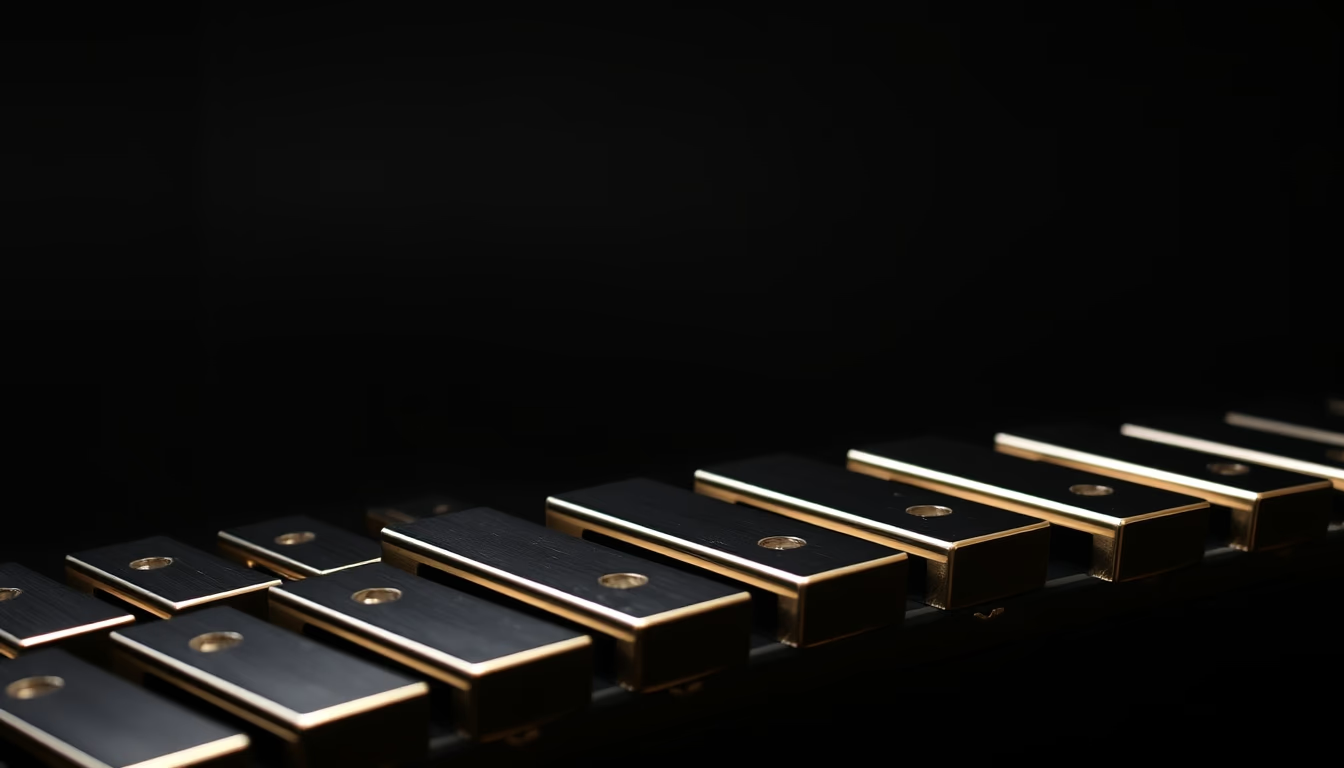
Saxophone gold detail closeup
1344×768 · AVIF · CC BY 4.0

Golden details of a saxophone: craftsmanship, materials, and the evolution of a jazz icon.
About this subject
The saxophone, invented by Belgian Adolphe Sax in 1846, combines a single-reed mouthpiece with a conical metal body, producing a unique and versatile sound. The gold details, typically gold-plated brass or gold lacquer, are not merely decorative: the thickness and composition of the plating affect the instrument's resonance and projection. Each key, spring, and screw is machined with millimeter precision to ensure perfect sealing and fast response.
Handcrafting a quality saxophone can take months. The body is hammered and formed from brass sheets, then soldered and polished. Applying the gold plate is one of the most delicate steps, requiring a controlled environment and multiple electrolytic layers. Brands like Selmer, Yanagisawa, and Yamaha employ master craftsmen who spend years perfecting these techniques.
Culturally, the saxophone is synonymous with jazz, blues, and Latin music. The velvety tone of Coleman Hawkins's tenor, the brightness of Charlie Parker's alto, and the grit of Gerry Mulligan's baritone are partly due to the metal design and finishes. In Brazilian popular music, the saxophone appears in choros, sambas, and bossa nova, with names like Pixinguinha and Paulo Moura.
Trivia: Adolphe Sax intended to create an instrument that bridged the tonal gap between woodwinds and brass. Originally called the "saxophone," it nearly faded into obscurity until adopted by French military bands and later by New Orleans musicians.
Frequently Asked Questions
Why do saxophones have gold parts?
Gold parts are usually gold-plated or gold lacquered for corrosion protection and aesthetics. The gold plating can also slightly influence the sound, making it warmer and fuller.
What is the difference between a gold-plated and a nickel-plated saxophone?
Gold plating produces a warmer, darker tone, while nickel plating tends to be brighter and more cutting. Gold is also more resistant to oxidation but requires careful handling to avoid scratches.
How long does it take to manufacture a professional saxophone?
A handcrafted professional saxophone can take 3 to 6 months to complete, depending on the model and level of finish. The process includes hammering the body, soldering, polishing, and applying the metallic plating.
Direct URL
https://pub-c7d6a6ea828543ac903a74a341ccb2e1.r2.dev/imagens/saxophone-gold-detail-closeup-national-geographic-style-p2.avifHow to credit
Include a visible link back to UtilizAí. Copy one of the snippets below:
<a href="https://xn--utiliza-eza.com/en/midia/imagens/saxophone-gold-detail-closeup-national-geographic-style-p2">Saxophone gold detail closeup</a> by <a href="https://xn--utiliza-eza.com">UtilizAí</a>, licensed under <a href="https://creativecommons.org/licenses/by/4.0/">CC BY 4.0</a>.
[Saxophone gold detail closeup](https://xn--utiliza-eza.com/en/midia/imagens/saxophone-gold-detail-closeup-national-geographic-style-p2) by [UtilizAí](https://xn--utiliza-eza.com), CC BY 4.0
License: CC-BY-4.0