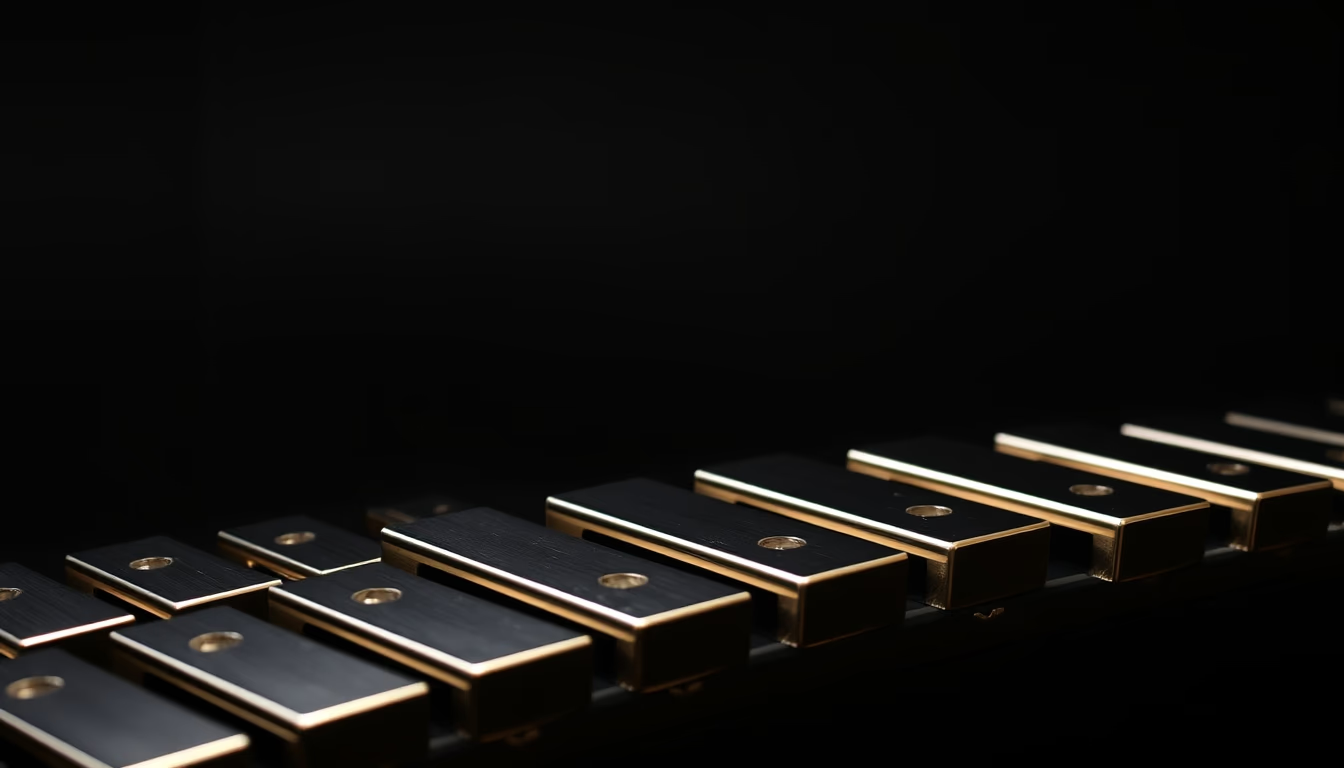
Saxophone gold detail closeup
1344×768 · AVIF · CC BY 4.0

The gold details of a saxophone are not merely aesthetic: they reveal the richness of sound and the artisanal tradition that define this iconic jazz instrument.
About this subject
The saxophone, invented by Adolphe Sax in 1840 in Belgium, is one of the most versatile instruments in modern music. Its construction combines metal, usually brass, with a finish that can range from silver to gold. The golden detail seen in typical closeups is not merely decorative: the gold plating applied to certain components, such as the mouthpiece, bell, or keys, directly influences projection and tone. Gold, being denser and softer than brass, produces a fuller, velvety sound favored by jazz saxophonists like John Coltrane and Stan Getz.
Applying gold plating to saxophones is a meticulous artisanal process. First, the instrument is polished and cleaned, then receives a layer of nickel or copper as a base, followed by a thin layer of 24-karat gold, usually between 0.1 and 0.5 microns thick. This process not only beautifies but also protects the metal from oxidation. Gold-plated saxophones are common in professional models from brands like Selmer, Yanagisawa, and Yamaha, costing $5,000 to $10,000 more than traditional models.
In the architectural and design worlds, the aesthetics of the golden saxophone also draw attention. Many musicians in symphony orchestras and jazz bands choose instruments with gold details to complement stage lighting, creating a sophisticated visual. Moreover, the golden saxophone is often depicted in artworks and photographs, symbolizing luxury and the essence of jazz, a genre born in the United States in the early 20th century and spread globally.
Fun fact: the world's most expensive saxophone, a Selmer Mark VI gold-plated, sold for over $100,000 in 2018. Gold does not affect tuning, but requires special care: since the metal is softer, scratches are more common, and cleaning should be done with microfiber cloths to avoid damaging the plating.
Frequently Asked Questions
Why do some saxophones have gold details?
Gold details are not only aesthetic: gold plating can improve projection and tone, making the sound fuller and velvety. It also protects the metal from oxidation and gives a sophisticated look, often used in live performances.
Does gold plating change the sound of the saxophone?
Yes, subtly. Gold, being denser than brass, tends to produce a fuller, softer sound with less metallic brightness. Many professional saxophonists prefer gold-plated instruments for certain genres, such as jazz.
How to care for a saxophone with gold details?
Avoid abrasive products and clean with a microfiber cloth after each use. Gold is soft and scratches easily. Store the instrument in a padded case and avoid prolonged exposure to direct sunlight to preserve the shine.
Direct URL
https://pub-c7d6a6ea828543ac903a74a341ccb2e1.r2.dev/imagens/saxophone-gold-detail-closeup-architectural-photography-p4.avifHow to credit
Include a visible link back to UtilizAí. Copy one of the snippets below:
<a href="https://xn--utiliza-eza.com/en/midia/imagens/saxophone-gold-detail-closeup-architectural-photography-p4">Saxophone gold detail closeup</a> by <a href="https://xn--utiliza-eza.com">UtilizAí</a>, licensed under <a href="https://creativecommons.org/licenses/by/4.0/">CC BY 4.0</a>.
[Saxophone gold detail closeup](https://xn--utiliza-eza.com/en/midia/imagens/saxophone-gold-detail-closeup-architectural-photography-p4) by [UtilizAí](https://xn--utiliza-eza.com), CC BY 4.0
License: CC-BY-4.0