Sapphire baguette bracelet art deco
1344×768 · AVIF · CC BY 4.0
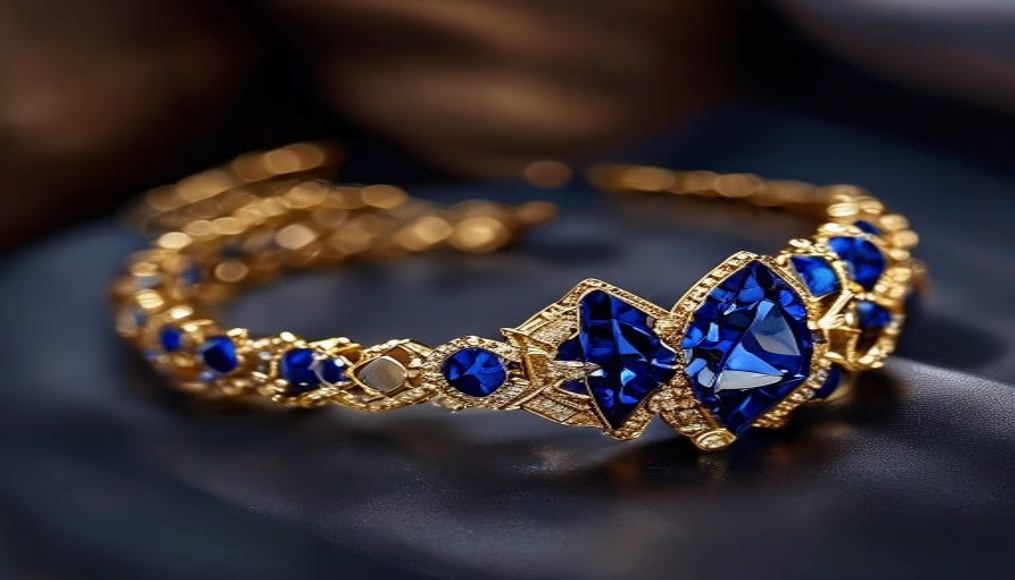
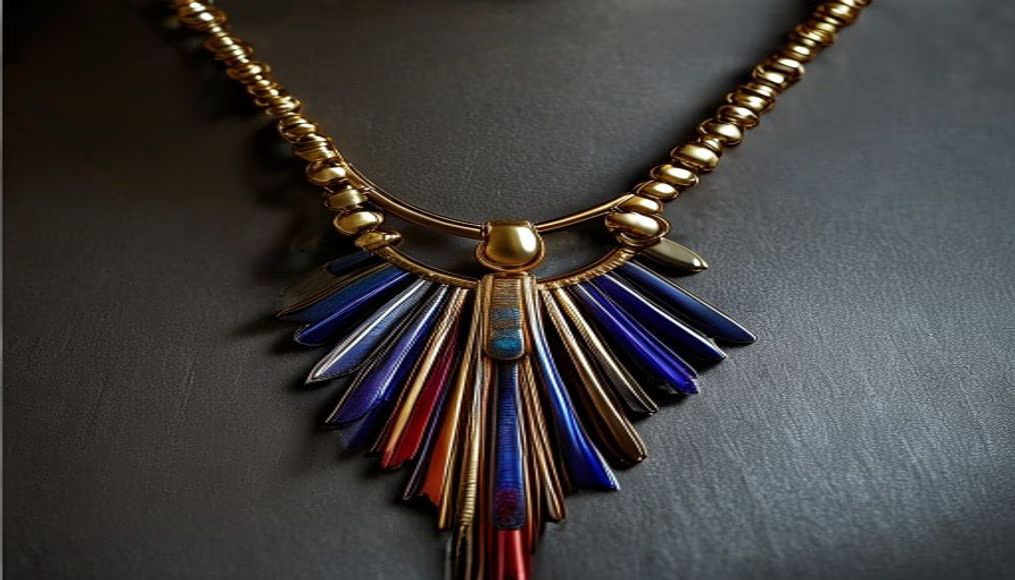
Art deco bracelet with baguette sapphires, geometric design and symmetry typical of the 1920s and 1930s movement.
About this subject
The art deco baguette sapphire bracelet evokes the glamour of the 1920s and 1930s, when the art deco movement dominated architecture, design, and jewelry making. Characterized by straight lines, geometric shapes, and an emphasis on symmetry, art deco jewelry frequently used precious stones in innovative cuts, such as the rectangular baguette cut. Sapphires, especially deep blue hues, were prized for their hardness and luster, often combined with diamonds and metals like platinum and white gold to create contrast.
The baguette cut, introduced in the early 20th century, was popularized by art deco jewelry for its ability to create clean, continuous lines perfect for geometric compositions. In this bracelet, the sapphires are set in a rigid structure, typically platinum or white gold, with metal dividers that emphasize the pattern. The design may include elements such as step motifs, Greek keys, or zigzag patterns, all typical of the art deco repertoire. The bracelet is intended to be worn as a cuff, fitting snugly around the arm with a hinged clasp.
Historically, such jewelry was worn by high society women at evening events and parties, symbolizing status and modernity. Art deco was a reaction against the organicism of art nouveau, seeking a more industrial and futuristic aesthetic. Today, original pieces from the era are highly collectible, and contemporary reproductions keep the tradition alive, using natural or synthetic sapphires. The baguette sapphire art deco bracelet is a timeless classic, combining elegance with a strong geometric appeal.
Frequently Asked Questions
What defines an art deco bracelet?
An art deco bracelet is characterized by geometric design, symmetry, straight lines, and the use of cuts like the baguette. It often employs metals such as platinum and white gold, combined with precious stones like sapphires and diamonds.
Why is the baguette cut common in art deco jewelry?
The baguette cut, with its rectangular shape and parallel facets, creates continuous, elegant lines ideal for geometric patterns of art deco. It maximizes the stones' brilliance without distracting from the overall design.
Are the sapphires in art deco bracelets natural?
They can be natural or synthetic. Original pieces from the 1920s/30s typically use natural sapphires, but modern reproductions often employ synthetic sapphires of gemological quality to maintain aesthetic appeal at a lower cost.
Direct URL
https://pub-c7d6a6ea828543ac903a74a341ccb2e1.r2.dev/imagens/sapphire-baguette-bracelet-art-deco-golden-ratio-composition-luxury-luxo1.avifHow to credit
Include a visible link back to UtilizAí. Copy one of the snippets below:
<a href="https://xn--utiliza-eza.com/en/midia/imagens/sapphire-baguette-bracelet-art-deco-golden-ratio-composition-luxury-luxo1">Sapphire baguette bracelet art deco</a> by <a href="https://xn--utiliza-eza.com">UtilizAí</a>, licensed under <a href="https://creativecommons.org/licenses/by/4.0/">CC BY 4.0</a>.
[Sapphire baguette bracelet art deco](https://xn--utiliza-eza.com/en/midia/imagens/sapphire-baguette-bracelet-art-deco-golden-ratio-composition-luxury-luxo1) by [UtilizAí](https://xn--utiliza-eza.com), CC BY 4.0
License: CC-BY-4.0