Santorini white blue houses
1344×768 · AVIF · CC BY 4.0
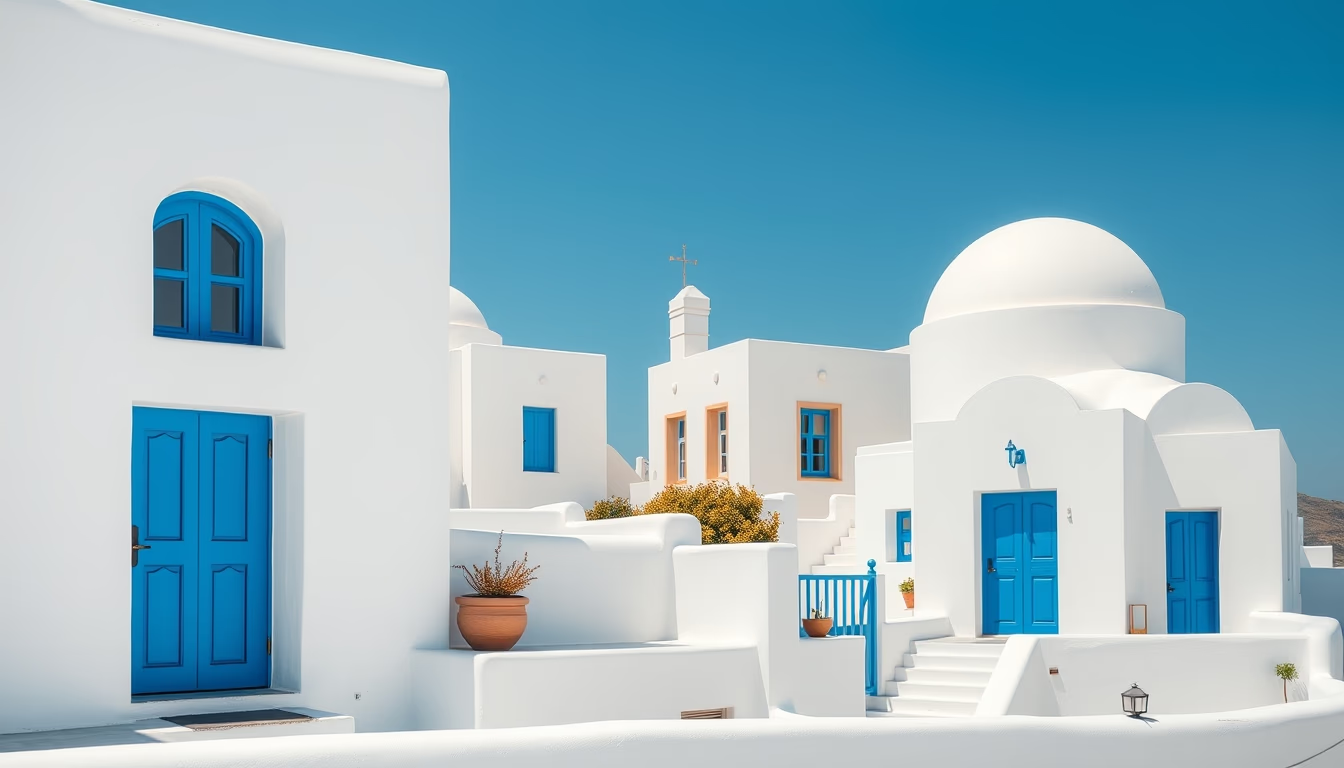
The iconic white houses with blue domes of Santorini are a symbol of Cycladic architecture, built to reflect Mediterranean heat and withstand strong winds.
About this subject
The landscape of Santorini, with its whitewashed houses and blue domes, is one of the most recognizable postcards in the world. This aesthetic is not merely decorative but functional. The white color reflects intense sunlight, keeping interiors cool during scorching summers. The blue, traditionally derived from lapis lazuli or copper carbonate, was used on doors, windows, and church domes to symbolize the sea and sky, and also had antibacterial properties. The origin of this style dates back to the Venetian period (13th century), when colonizers imposed construction norms for protection against pirates and winds. Houses were built embedded in volcanic rock, forming mazes that mitigate heat.
Located in the Aegean Sea, Santorini is a volcanic island whose submerged caldera created dramatic cliffs. The most famous villages, like Oia, Fira, and Imerovigli, spread along the caldera edges, offering panoramic sunset views. Local architecture includes 'kapetanospita', captains' mansions with symmetrical facades and inner courtyards, and humble 'spitia', fishermen's houses. Orthodox churches with blue domes are often dedicated to patron saints and have bells echoing through the valley.
An interesting curiosity is that although blue is predominant, there are variations. Different shades were used to identify families or properties. Today, strict historical preservation laws control facade and roof colors, ensuring the traditional look remains. During the Greek military junta (1967-1974), the regime painted many houses white and blue to promote national identity, but this palette was already common. Moreover, houses are often vaulted or cave-like, carved into pumice stone, a technique that provides thermal insulation and earthquake protection.
Tourism has transformed the island, but the architectural essence remains. Visitors can explore Minoan ruins at Akrotiri, a city buried by a volcanic eruption around 1600 BC, which reveals an advanced culture with drainage systems and impressive frescoes. The combination of history, geology, and design makes Santorini a case study in human adaptation to extreme environments.
Frequently Asked Questions
Why are the houses in Santorini painted white and blue?
White reflects sunlight, keeping interiors cool. Blue, traditionally made from lapis lazuli or copper carbonate, symbolizes the sea and sky and has antibacterial properties. Today, preservation laws maintain these colors.
Are all houses in Santorini the same?
No. There are variations: 'kapetanospita' were captains' mansions with symmetrical facades, while 'spitia' were simple fishermen's houses. Many are carved into volcanic rock, forming cave-like dwellings with vaults.
Can I paint my house a different color in Santorini?
Not freely. The island has strict regulations to preserve the traditional aesthetic. Permitted colors are essentially white and shades of blue, varying by area and building type.
Direct URL
https://pub-c7d6a6ea828543ac903a74a341ccb2e1.r2.dev/imagens/santorini-white-blue-houses-commercial-product-photography-v9.avifHow to credit
Include a visible link back to UtilizAí. Copy one of the snippets below:
<a href="https://xn--utiliza-eza.com/en/midia/imagens/santorini-white-blue-houses-commercial-product-photography-v9">Santorini white blue houses</a> by <a href="https://xn--utiliza-eza.com">UtilizAí</a>, licensed under <a href="https://creativecommons.org/licenses/by/4.0/">CC BY 4.0</a>.
[Santorini white blue houses](https://xn--utiliza-eza.com/en/midia/imagens/santorini-white-blue-houses-commercial-product-photography-v9) by [UtilizAí](https://xn--utiliza-eza.com), CC BY 4.0
License: CC-BY-4.0