Rum aged in barrel
1344×768 · AVIF · CC BY 4.0
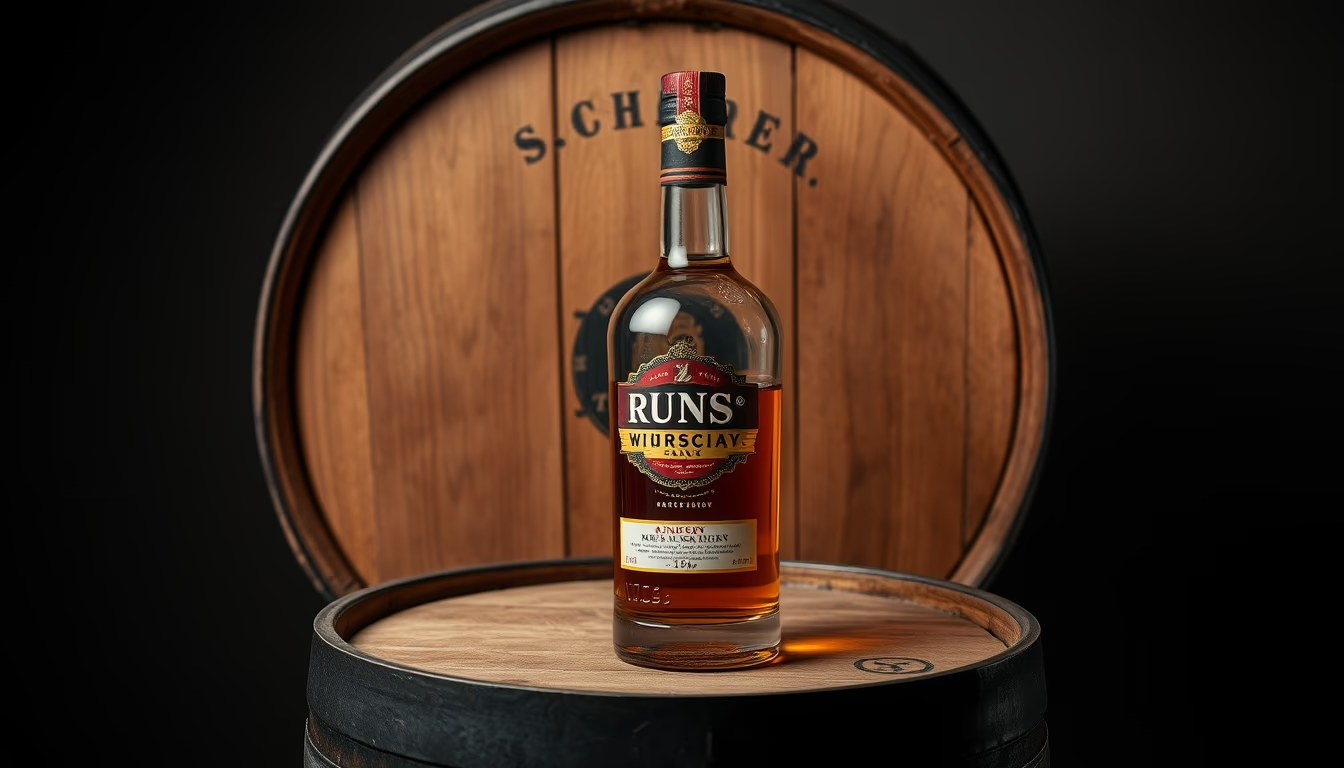
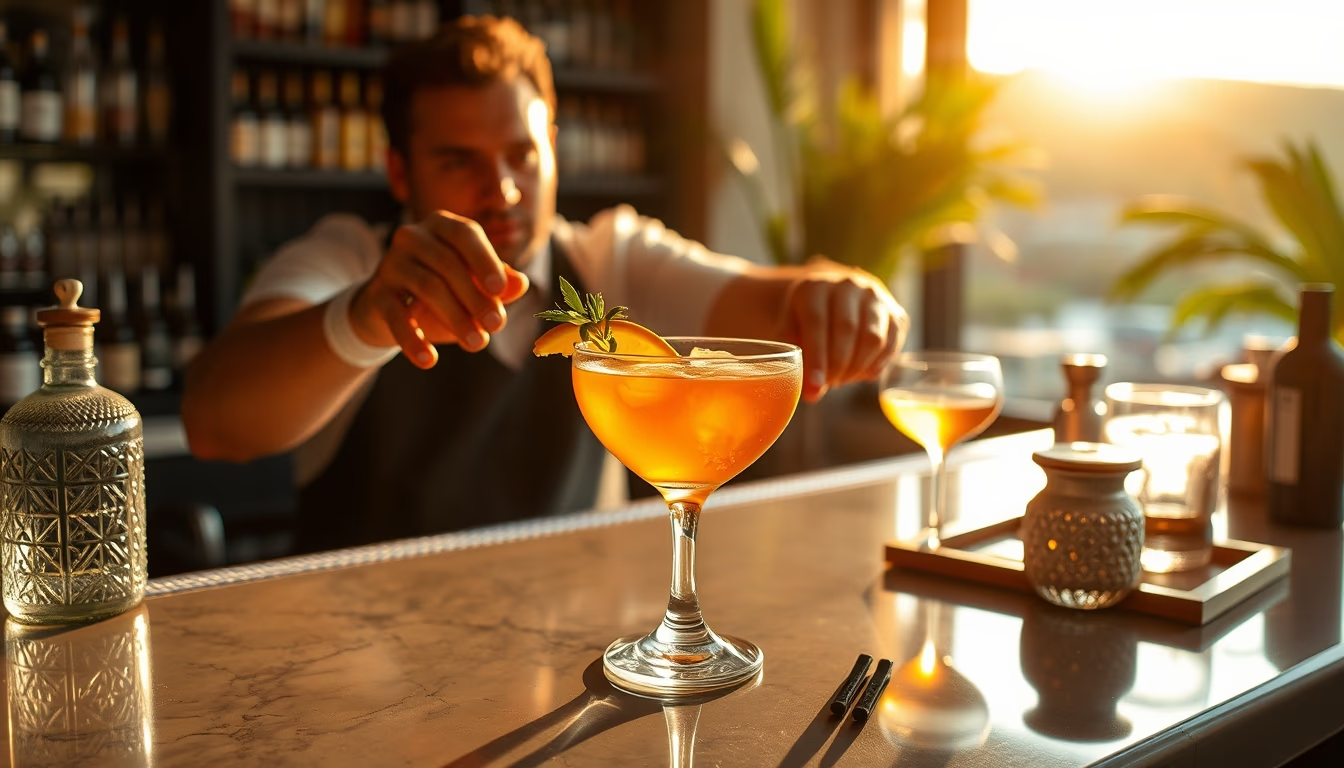
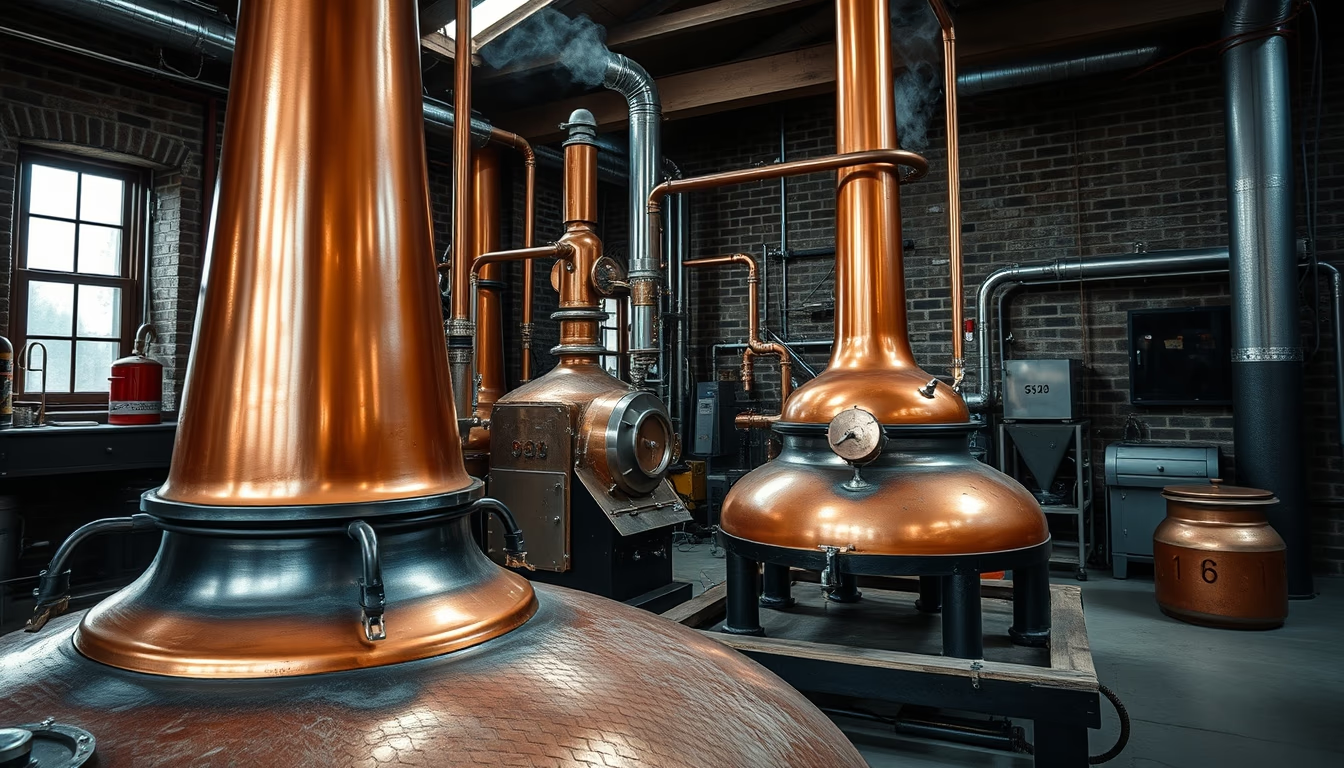
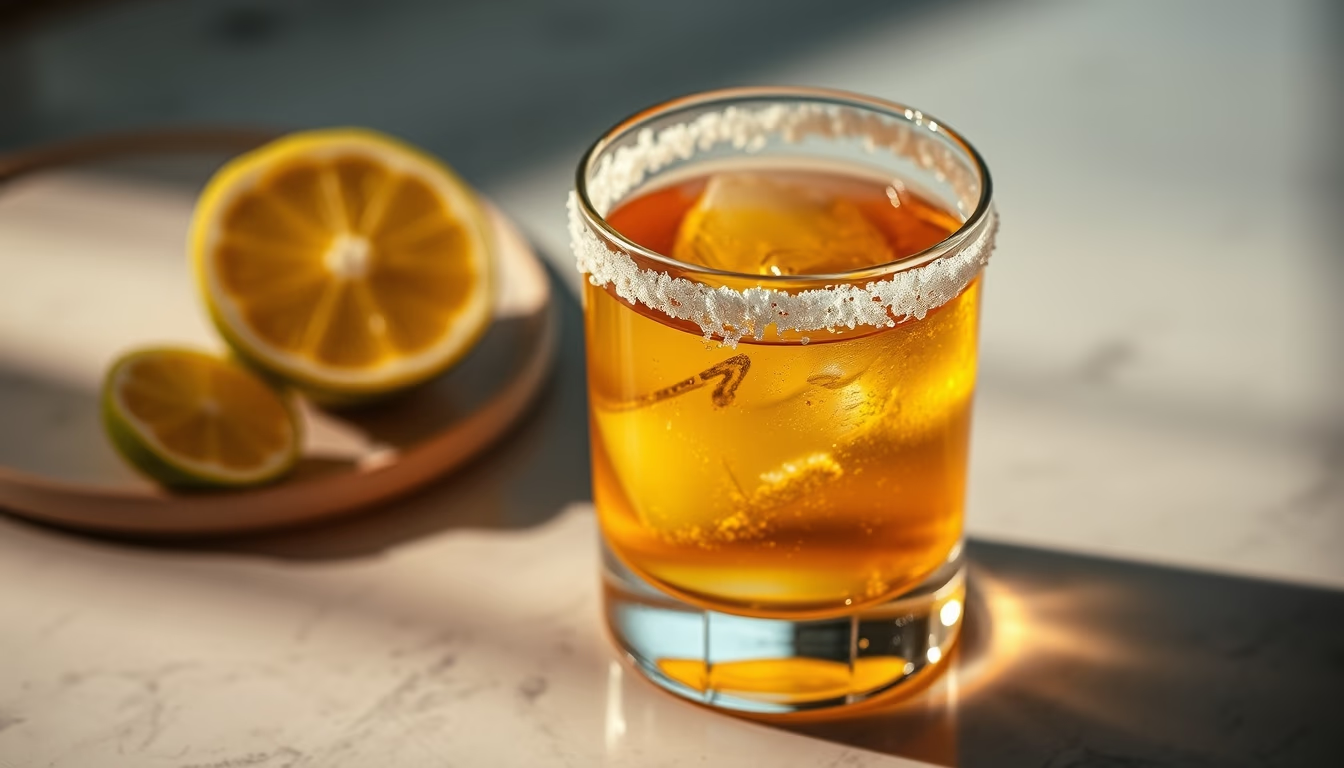
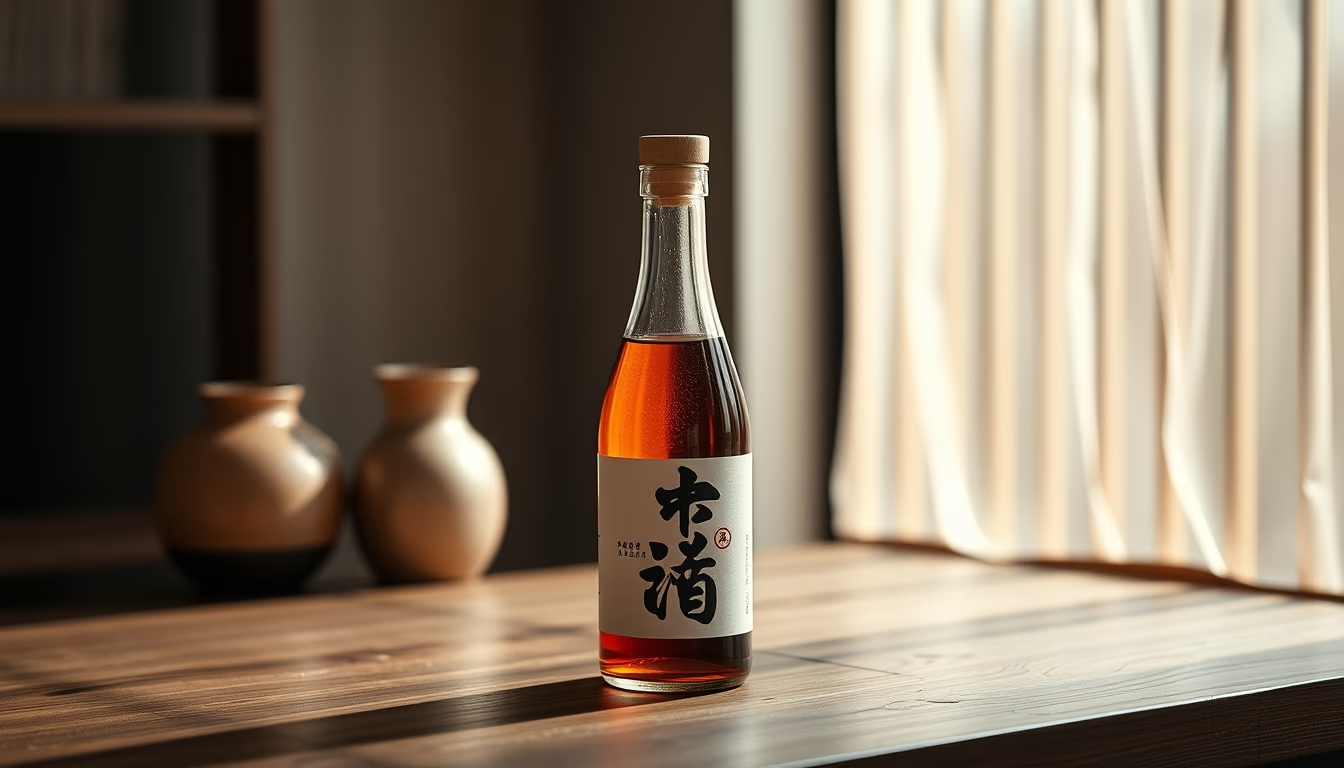
Aging rum in oak barrels is an essential process that imparts color, flavor, and aroma, varying by wood type and maturation time.
About this subject
Rum, distilled from sugarcane or its byproducts like molasses, acquires much of its sensory character during barrel aging. The process primarily takes place in oak barrels, which may be new or previously used for bourbon, whiskey, or sherry. The wood contributes compounds such as vanillin, tannins, and lactones, creating notes of vanilla, caramel, spices, and toasted wood. The tropical climate of countries like Cuba, Jamaica, Barbados, and the Dominican Republic accelerates the interaction between the spirit and the wood due to high temperatures and humidity variations, resulting in faster maturation compared to temperate regions.
The type of barrel is crucial to the rum's profile. American oak barrels, often used for bourbon, impart sweet vanilla and coconut flavors. European oak (French or Spanish) barrels provide drier tannins and dried fruit notes. Some producers use barrels that previously aged sherry or Port wine, adding layers of complexity. Aging time ranges from a few months to decades, but very old rums may lose intensity if wood contact is prolonged, requiring constant monitoring.
Aging regulations vary by country. In Puerto Rico, rum must be aged for at least one year. Jamaica has no legal age requirement, but traditional producers follow their own standards. The solera system, borrowed from Spanish sherry production, is employed in some rums to ensure consistency by blending batches of different ages. The "angel's share" (evaporation) is significant in tropical regions, reaching up to 10% annually, making each barrel a unique microcosm.
Frequently Asked Questions
How long does rum need to age to be considered aged?
There is no global standard; each country sets its own regulations. In Puerto Rico, for example, a minimum of one year is required. Premium rums may age from 3 to 15 years or more.
What type of barrel is most common for aging rum?
American oak, especially barrels that previously aged bourbon, is the most common. They impart vanilla and caramel flavors. European oak or sherry casks are also used.
Does rum age faster in tropical climates?
Yes, high temperatures and humidity in tropical regions accelerate wood expansion and contraction, increasing the interaction between spirit and wood, resulting in faster maturation compared to temperate climates.
Direct URL
https://pub-c7d6a6ea828543ac903a74a341ccb2e1.r2.dev/imagens/rum-aged-in-barrel-studio-editorial-portrait-p0.avifHow to credit
Include a visible link back to UtilizAí. Copy one of the snippets below:
<a href="https://xn--utiliza-eza.com/en/midia/imagens/rum-aged-in-barrel-studio-editorial-portrait-p0">Rum aged in barrel</a> by <a href="https://xn--utiliza-eza.com">UtilizAí</a>, licensed under <a href="https://creativecommons.org/licenses/by/4.0/">CC BY 4.0</a>.
[Rum aged in barrel](https://xn--utiliza-eza.com/en/midia/imagens/rum-aged-in-barrel-studio-editorial-portrait-p0) by [UtilizAí](https://xn--utiliza-eza.com), CC BY 4.0
License: CC-BY-4.0