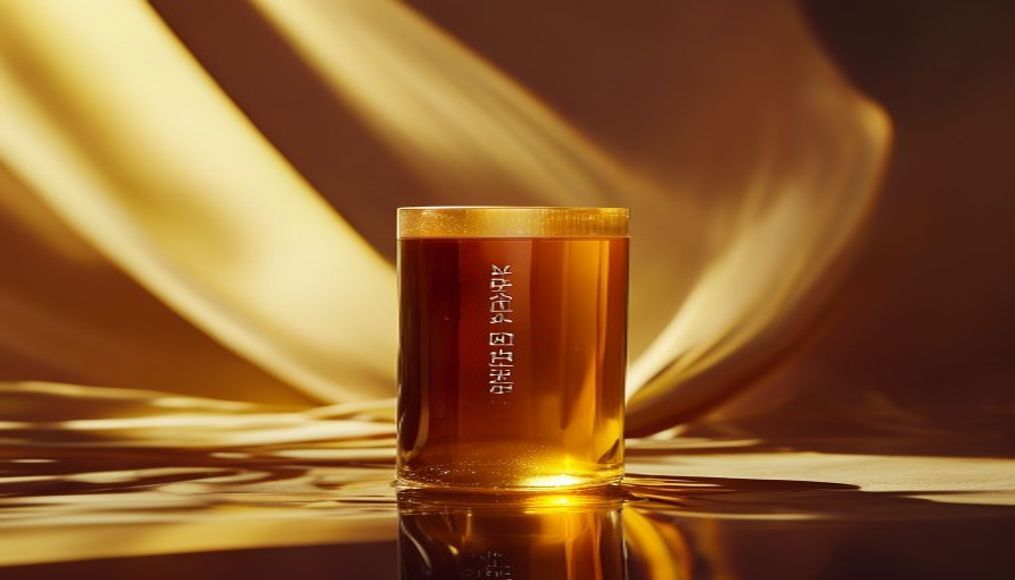
Royal jelly tube
1344×768 · AVIF · CC BY 4.0
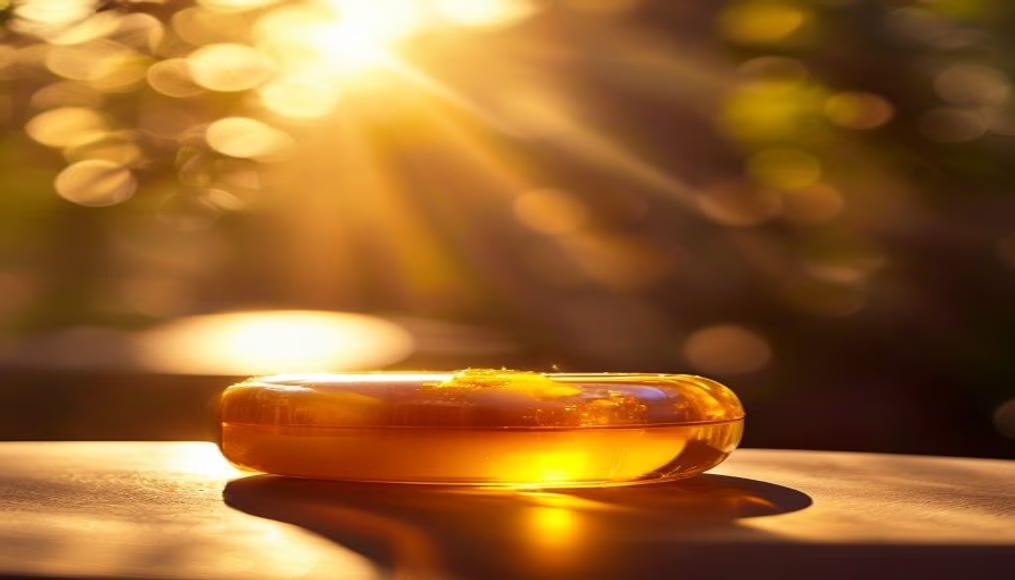
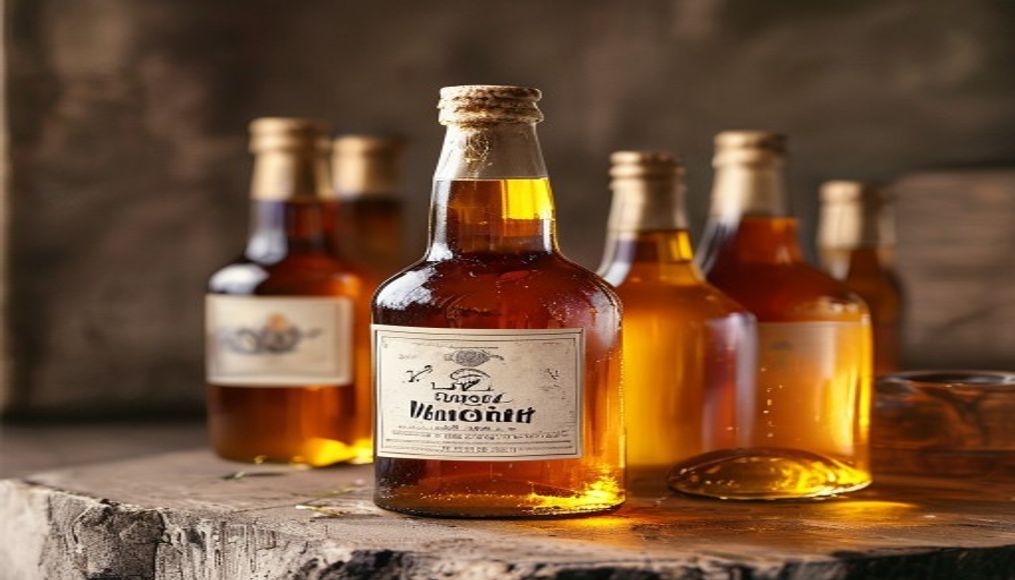
Royal jelly is a substance secreted by worker bees to feed the queen and larvae, rich in nutrients and used in supplements.
About this subject
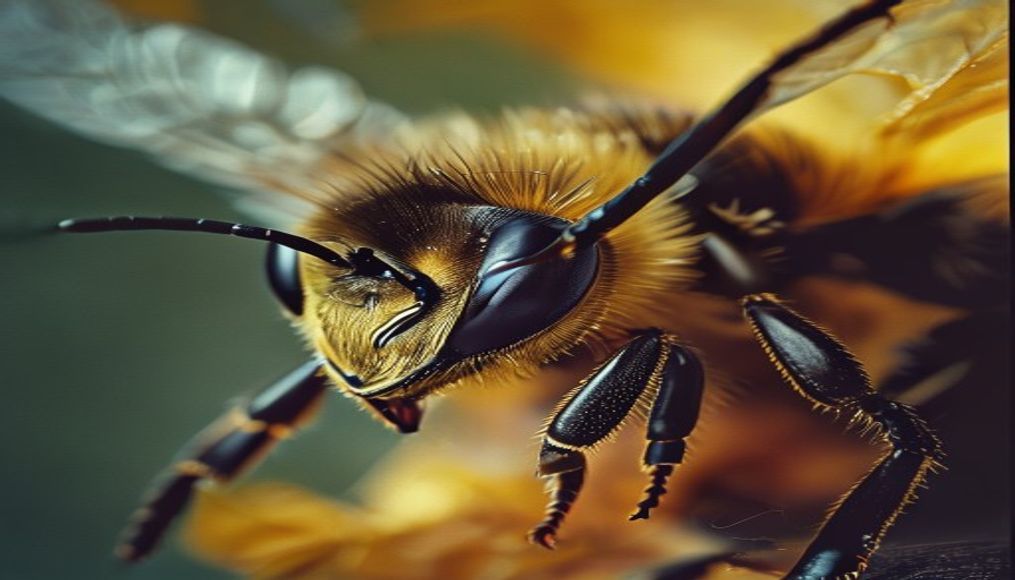
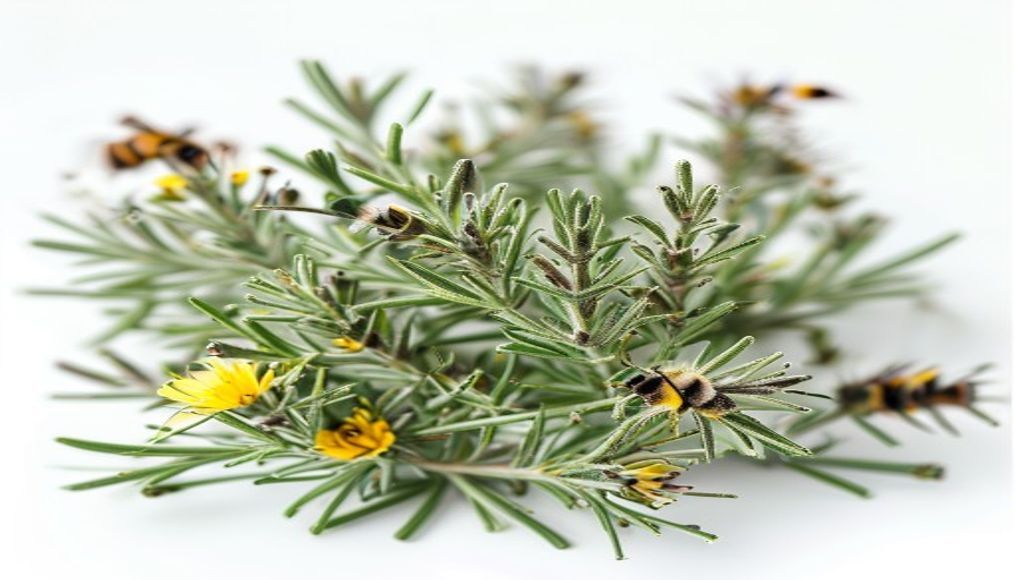
Royal jelly is a secretion from the hypopharyngeal and mandibular glands of young worker bees (Apis mellifera). Unlike honey and pollen, it is produced in small quantities and exclusively feeds the queen bee throughout her life, as well as larvae in their first days. This special diet enables the queen to live up to 5 years, while workers live only 45 days. The composition of royal jelly includes water (60-70%), proteins (12-15%), sugars (10-16%), lipids (3-6%), B vitamins, minerals, fatty acids, and the exclusive 10-hydroxy-2-decenoic acid (10-HDA), a compound with antibacterial and anti-inflammatory properties.
In Brazil, royal jelly production primarily serves the dietary supplement and cosmetic markets. Extraction is done manually in specialized apiaries, as each hive yields only 200-300 grams per year. To stimulate production, beekeepers transfer young larvae into artificial queen cups, mimicking the natural process of raising new queens. Royal jelly must be kept refrigerated and protected from light to preserve its biological properties.
Historically, royal jelly use dates back to ancient civilizations such as the Egyptians and Chinese, who employed it as a rejuvenating tonic. Modern studies investigate its effects on longevity, cholesterol reduction, wound healing, and immune support, though the European Medicines Agency urges caution regarding unproven therapeutic claims. Nonetheless, global demand for natural bee products keeps royal jelly a high-value item in the wellness market.
Frequently Asked Questions
What is the difference between royal jelly and honey?
Royal jelly is a glandular secretion from worker bees used to feed the queen and larvae, while honey is made from flower nectar. Royal jelly is richer in proteins and vitamins, but produced in much smaller amounts.
How is royal jelly harvested by beekeepers?
Beekeepers transfer young larvae into artificial queen cups, stimulating bees to produce royal jelly. After a few days, the jelly is manually extracted with special spoons and stored refrigerated.
Does royal jelly have proven health benefits for humans?
Studies suggest antioxidant, anti-inflammatory, and cholesterol-lowering effects, but the European Medicines Agency considers evidence limited. It should not replace medical treatments.
Direct URL
https://pub-c7d6a6ea828543ac903a74a341ccb2e1.r2.dev/imagens/royal-jelly-tube-travel-photography-p2.avifHow to credit
Include a visible link back to UtilizAí. Copy one of the snippets below:
<a href="https://xn--utiliza-eza.com/en/midia/imagens/royal-jelly-tube-travel-photography-p2">Royal jelly tube</a> by <a href="https://xn--utiliza-eza.com">UtilizAí</a>, licensed under <a href="https://creativecommons.org/licenses/by/4.0/">CC BY 4.0</a>.
[Royal jelly tube](https://xn--utiliza-eza.com/en/midia/imagens/royal-jelly-tube-travel-photography-p2) by [UtilizAí](https://xn--utiliza-eza.com), CC BY 4.0
License: CC-BY-4.0