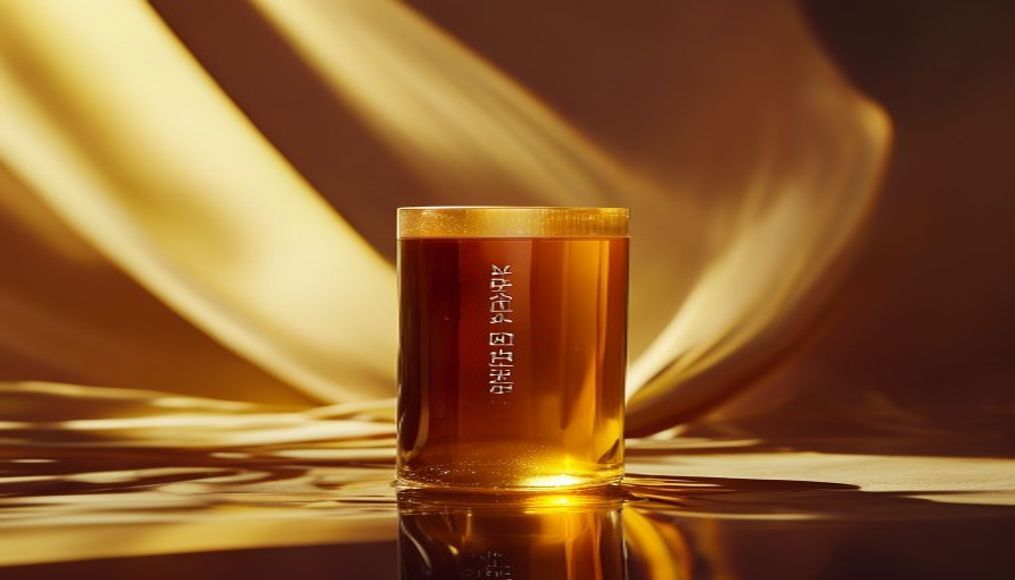
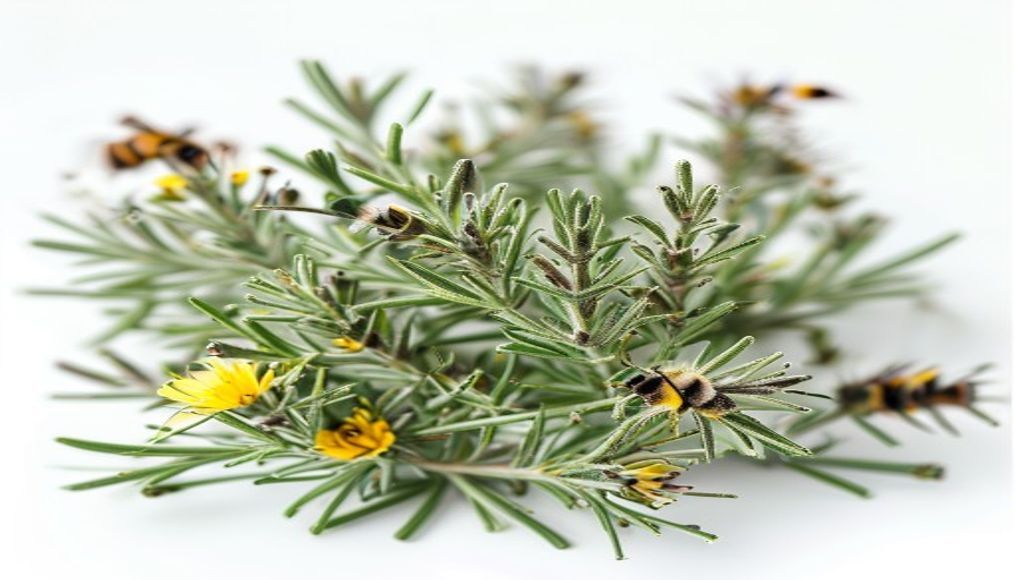
Royal jelly tube
1344×768 · AVIF · CC BY 4.0
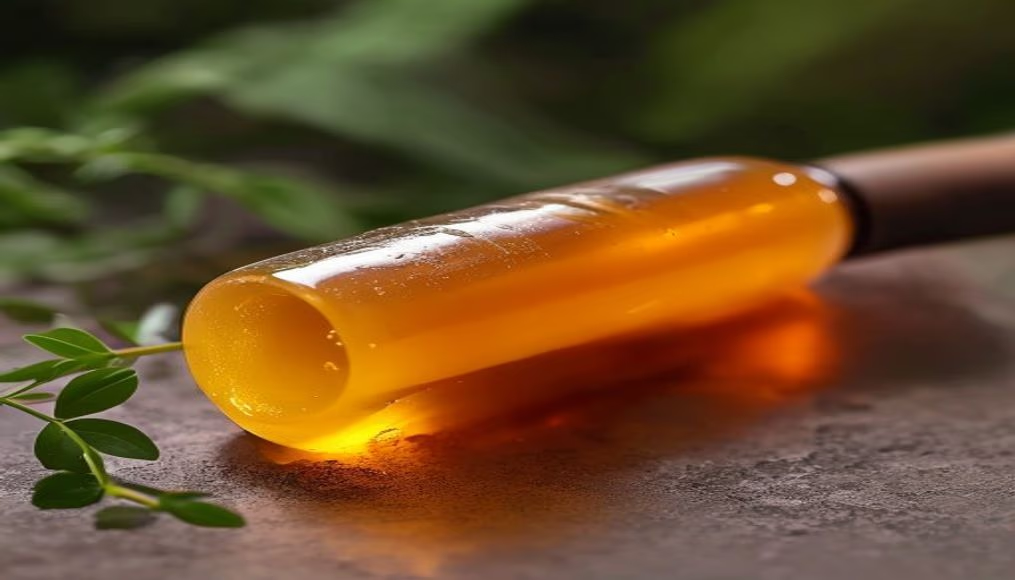
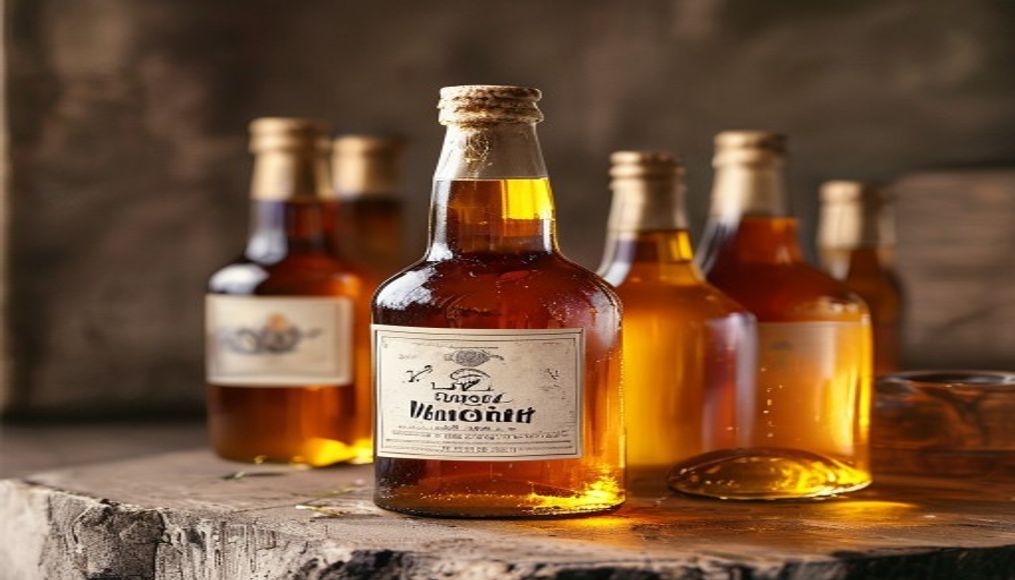
Royal jelly is a nutrient-rich substance produced by worker bees to feed the queen bee. Learn about its origin, composition, and uses.
About this subject
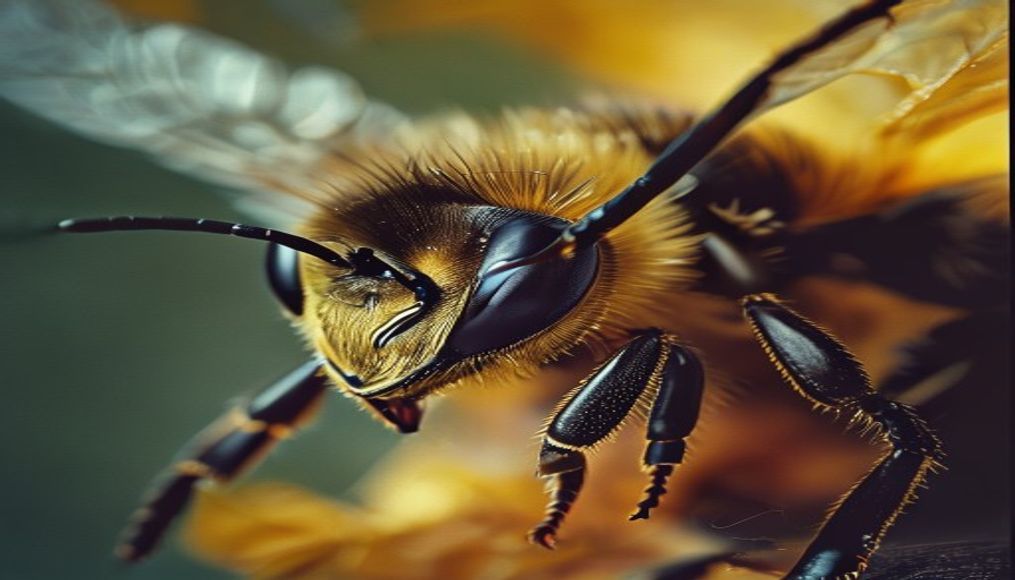
Royal jelly is a viscous, whitish secretion produced by the hypopharyngeal glands of young worker bees. This substance is vital to the hive, serving as the exclusive food for the queen bee throughout her life and as an initial feed for larvae during their first days. The queen, fed only royal jelly, lives for three to five years, while worker bees, consuming honey and pollen, live only a few weeks. This biological contrast is one of the most fascinating aspects of beekeeping.
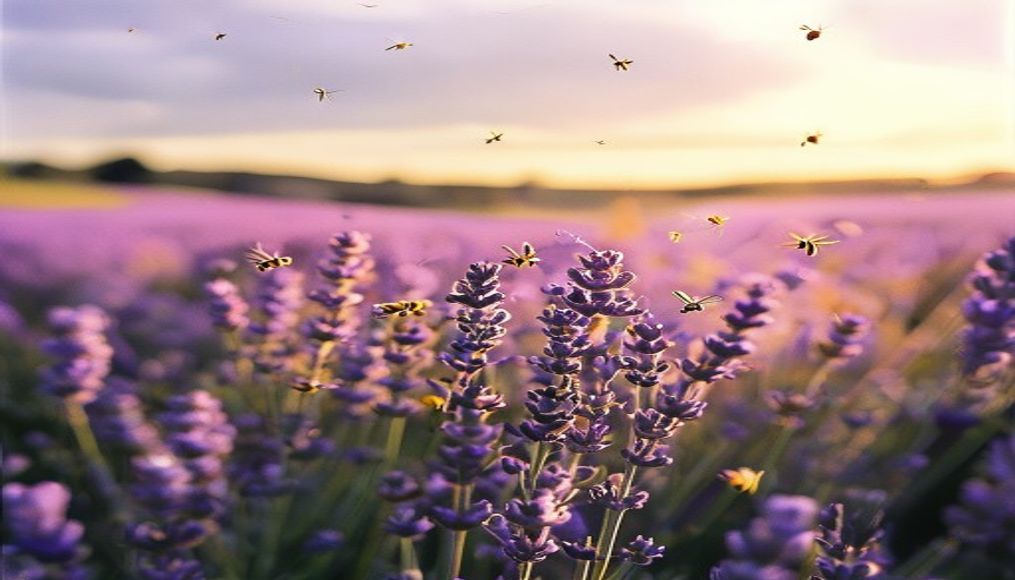
The composition of royal jelly is complex, containing water, proteins, carbohydrates, lipids, B-complex vitamins (especially pantothenic acid B5), and minerals like zinc and iron. Its production is limited: a healthy hive produces roughly 500 grams per year, making it a valuable product. Beekeepers harvest it manually by transferring worker larvae into special queen cups and collecting the surplus jelly after a few days.
In the human market, royal jelly is sold fresh, freeze-dried, or in capsules and creams. It is widely used as a dietary supplement for claimed energy-boosting and immune-enhancing effects, though scientific evidence remains debated. In cosmetics, it is added to moisturizers and face masks for its nutritive properties. Popular culture often links it to longevity, inspired by the queen bee's extended lifespan.
Remarkably, royal jelly is so potent that it can alter the development of genetically identical female larvae: if fed royal jelly for a longer period, the larva becomes a queen; otherwise, it becomes a sterile worker. This epigenetic mechanism is a striking example of how nutrition determines social destiny among bees.
Frequently Asked Questions
What is royal jelly and how is it produced by bees?
Royal jelly is a nutrient-rich secretion produced by the hypopharyngeal glands of young worker bees. It is used to feed the queen bee throughout her life and larvae during their first days of development.
What are the main human uses of royal jelly?
It is consumed as a dietary supplement for energy and immunity, and also used in cosmetics like moisturizers and face masks due to its nutritive properties.
Why is royal jelly so valuable and expensive?
Its production is limited (about 500 g per hive per year) and extraction is manual, requiring skilled labor. Additionally, its purported health and longevity benefits drive high demand.
Direct URL
https://pub-c7d6a6ea828543ac903a74a341ccb2e1.r2.dev/imagens/royal-jelly-tube-national-geographic-style-p3.avifHow to credit
Include a visible link back to UtilizAí. Copy one of the snippets below:
<a href="https://xn--utiliza-eza.com/en/midia/imagens/royal-jelly-tube-national-geographic-style-p3">Royal jelly tube</a> by <a href="https://xn--utiliza-eza.com">UtilizAí</a>, licensed under <a href="https://creativecommons.org/licenses/by/4.0/">CC BY 4.0</a>.
[Royal jelly tube](https://xn--utiliza-eza.com/en/midia/imagens/royal-jelly-tube-national-geographic-style-p3) by [UtilizAí](https://xn--utiliza-eza.com), CC BY 4.0
License: CC-BY-4.0