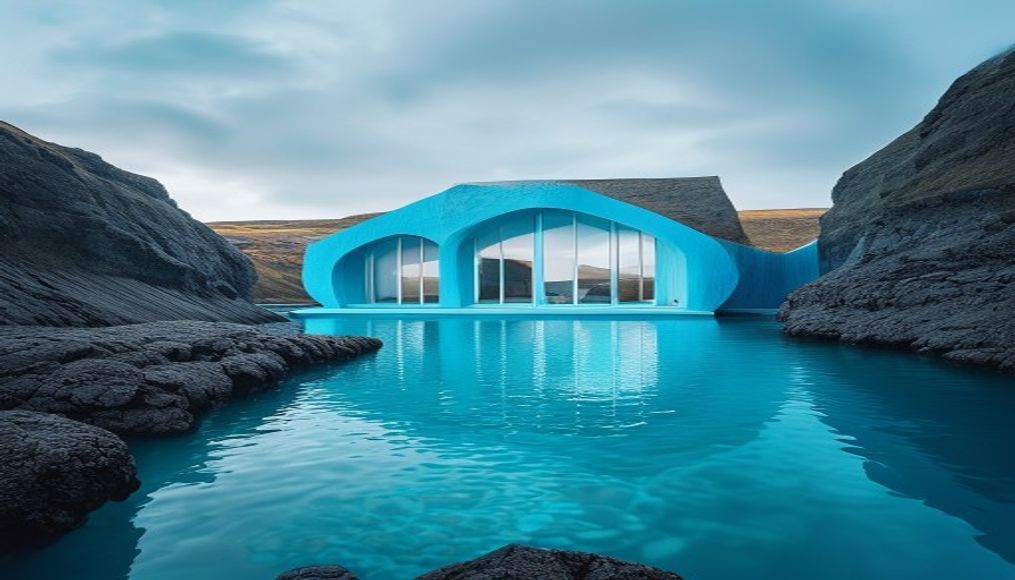
Rotorua geothermal nz
1344×768 · AVIF · CC BY 4.0
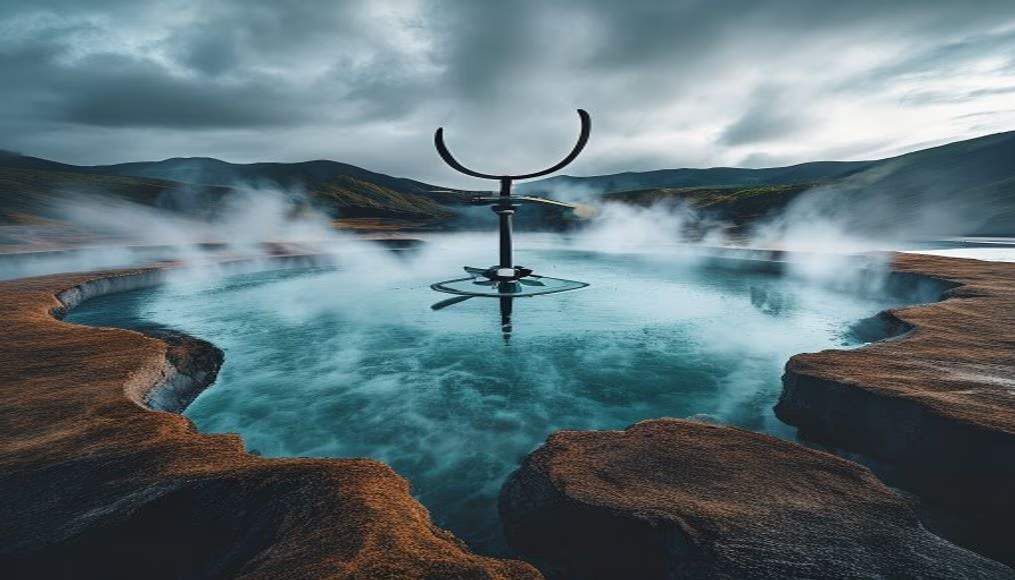
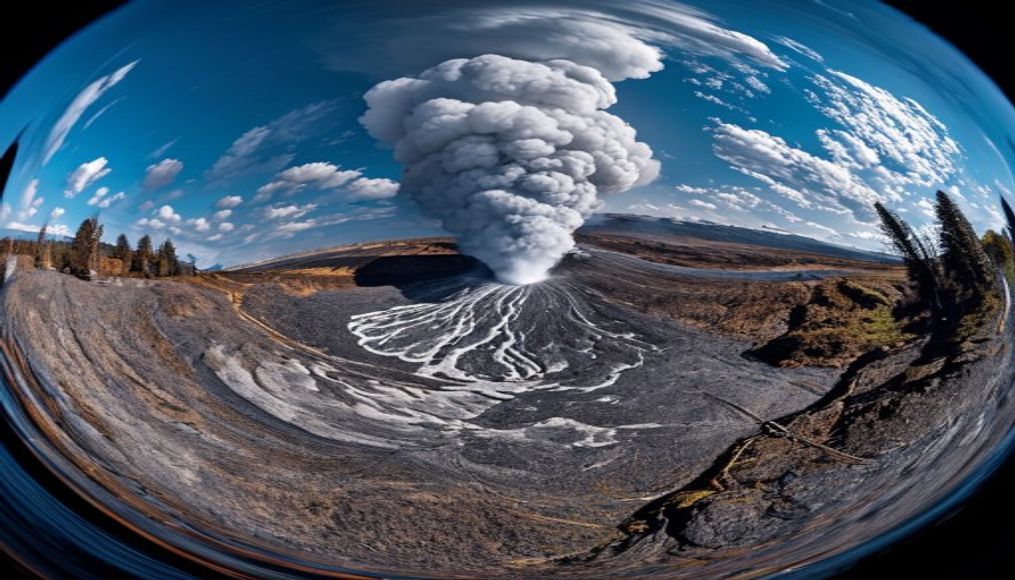
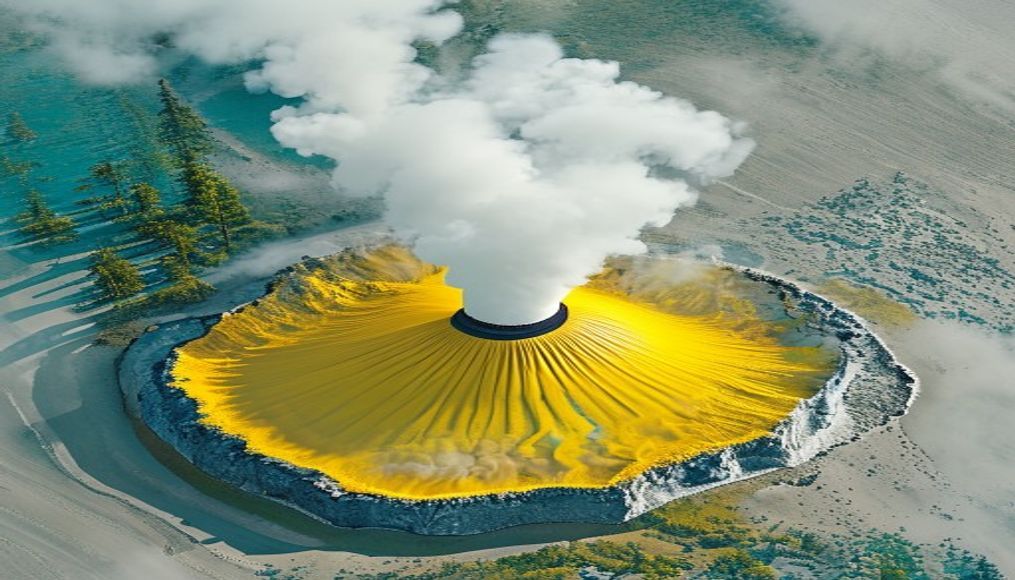
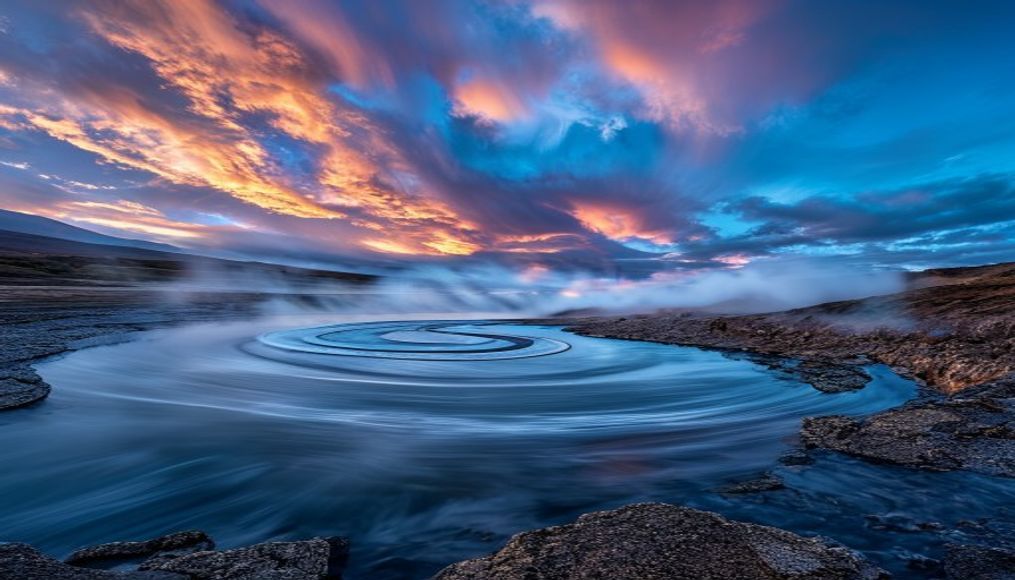
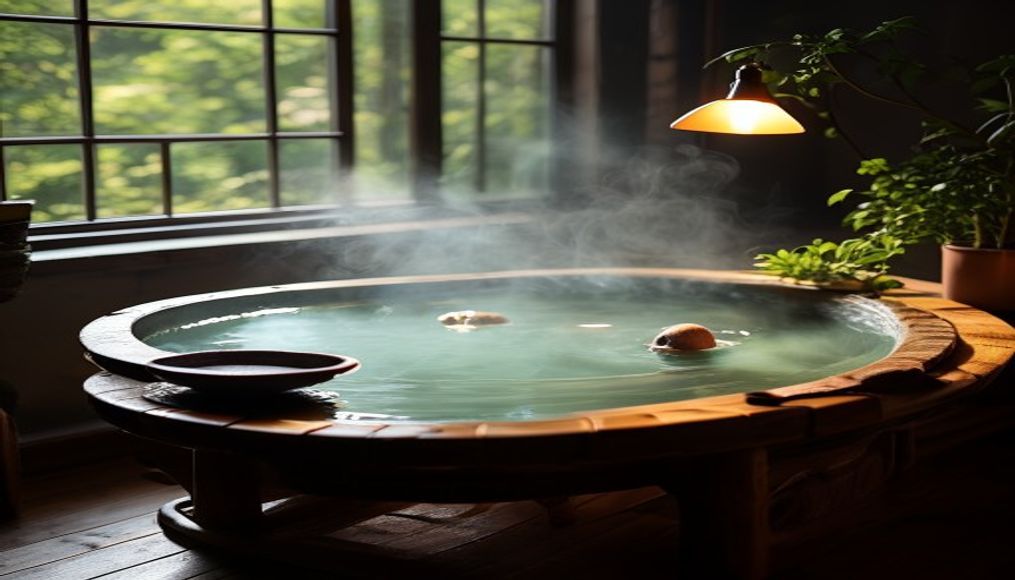
Rotorua, on New Zealand's North Island, hosts one of the world's most active geothermal landscapes, featuring geysers, hot springs, and mud pools.
About this subject
Rotorua lies within the Taupo Volcanic Zone, a region of intense geothermal activity driven by the collision of the Pacific and Australian tectonic plates. The area boasts dozens of geysers, such as the iconic Pohutu at Whakarewarewa Thermal Valley, which erupts multiple times daily, shooting steam and water up to 30 meters high. Hot springs, like those at Kuirau Park Thermal Reserve, are rich in minerals and maintain temperatures ranging from 40°C to 100°C, creating vividly colored pools due to algae and silica deposits.
For the Māori people, Rotorua's geothermal lands hold deep spiritual and practical significance. Local tribes, especially Ngāti Whakaue, have used the hot springs for cooking, bathing, and heating homes for centuries. The natural steam is also employed in traditional practices such as food preservation. The region is home to several Māori villages, including Whakarewarewa and Ohinemutu, where visitors can learn about culture and history, and experience hangi (food steamed in an earth oven).
Geologically, Rotorua's thermal activity stems from a shallow magma chamber about 5 kilometers deep. Rainwater seeps into the ground, heats up from the magma, then returns to the surface as steam, geysers, and springs. The soil is highly unstable, leading to drilling and construction restrictions to maintain thermal balance. Nonetheless, the town has developed into a global tourist destination, with hotels, spas, and attractions that integrate geothermal energy, such as the thermal pool at Polynesian Spa.
The geothermal landscape also serves as a natural laboratory for scientific research. Scientists study extremophile microorganisms living in hot, acidic waters, contributing to biotechnological advances. Additionally, the characteristic smell of sulfur (like rotten eggs) is a hallmark of Rotorua, resulting from the release of sulfur dioxide and other volcanic gases. Despite the odor, the region remains one of New Zealand's most visited tourist spots, attracting millions annually to witness its raw natural power and surreal beauty.
Frequently Asked Questions
What is the origin of geothermal activity in Rotorua?
The activity stems from the Taupo Volcanic Zone, where tectonic plate movements create a shallow magma chamber. Rainwater heats up when contacting magma and returns to the surface as steam, geysers, and hot springs.
Do Māori people still use the hot springs traditionally?
Yes. Tribes such as Ngāti Whakaue continue to use the springs for cooking, bathing, and heating homes. The tradition of hangi, food cooked in steam-heated earth, is preserved and offered to visitors at villages like Whakarewarewa.
Is Rotorua safe to visit despite the sulfur smell?
Yes. The sulfur odor is normal in geothermal areas and poses no health risk in short exposures. Tourist areas are monitored for safety, and visitors should stay on designated paths and follow signs.
Direct URL
https://pub-c7d6a6ea828543ac903a74a341ccb2e1.r2.dev/imagens/rotorua-geothermal-nz-architectural-photography-p0.avifHow to credit
Include a visible link back to UtilizAí. Copy one of the snippets below:
<a href="https://xn--utiliza-eza.com/en/midia/imagens/rotorua-geothermal-nz-architectural-photography-p0">Rotorua geothermal nz</a> by <a href="https://xn--utiliza-eza.com">UtilizAí</a>, licensed under <a href="https://creativecommons.org/licenses/by/4.0/">CC BY 4.0</a>.
[Rotorua geothermal nz](https://xn--utiliza-eza.com/en/midia/imagens/rotorua-geothermal-nz-architectural-photography-p0) by [UtilizAí](https://xn--utiliza-eza.com), CC BY 4.0
License: CC-BY-4.0