Roman silver denarius coin
1344×768 · AVIF · CC BY 4.0
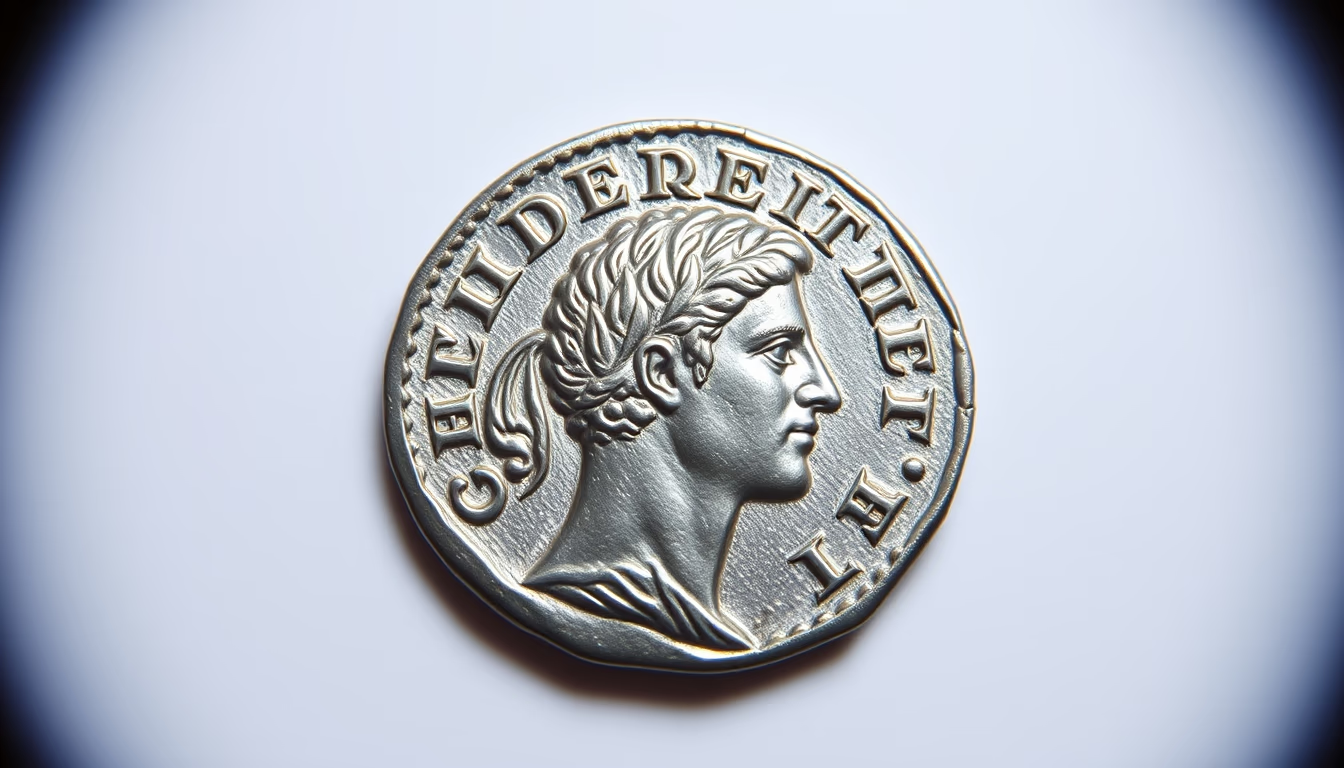
The Roman silver denarius was the most widespread coin of the Roman Empire, minted for centuries and essential for ancient trade.
About this subject
The silver denarius was introduced around 211 BC during the Second Punic War as part of a monetary reform aimed at stabilizing the Roman economy. It initially equaled 10 bronze asses, hence the name (from Latin deni, 'ten'). It weighed approximately 4.5 grams and measured about 19 mm in diameter, with purity near 95% silver. Minting was centralized in Rome but later expanded to provinces such as Lugdunum (modern Lyon) and Antioch.
Over centuries, the denarius suffered debasement. Under Nero (54-68 AD), silver content dropped to about 80%. In subsequent reigns, reduction continued: by the mid-3rd century AD, silver made up less than 5% of the coin. This reflected economic crises and inflation, culminating in the denarius being replaced by the antoninianus and later the gold solidus.
Culturally, the denarius was a vehicle for imperial propaganda. Obverses bore the emperor's portrait with titles and deifications; reverses displayed mythological figures, allegories, or military symbols. Today, collectors value denarii for their historical and iconographic wealth, making them key pieces in museums and numismatic auctions.
The denarius's influence extended beyond the empire: its name survives in words like 'dinheiro' (Portuguese), 'denaro' (Italian), and 'dinero' (Spanish). Its standardization enabled large-scale trade, linking Britain to Egypt. Though minting ceased, the denarius remains a symbol of Roman economic engineering.
Frequently Asked Questions
What was a Roman denarius?
It was a silver coin of the Roman Empire, minted from 211 BC to the 3rd century AD. It initially equaled 10 bronze asses and was the backbone of the Roman monetary system.
How much did a denarius weigh?
Originally about 4.5 grams of nearly pure silver. Weight and purity varied over time, with significant debasement during crises.
Why did the denarius lose value?
Due to the reduction of silver content by emperors to fund military and administrative expenses, causing inflation and loss of trust in the currency.
Direct URL
https://pub-c7d6a6ea828543ac903a74a341ccb2e1.r2.dev/imagens/roman-silver-denarius-coin-fish-eye-wide-angle-fresh17.avifHow to credit
Include a visible link back to UtilizAí. Copy one of the snippets below:
<a href="https://xn--utiliza-eza.com/en/midia/imagens/roman-silver-denarius-coin-fish-eye-wide-angle-fresh17">Roman silver denarius coin</a> by <a href="https://xn--utiliza-eza.com">UtilizAí</a>, licensed under <a href="https://creativecommons.org/licenses/by/4.0/">CC BY 4.0</a>.
[Roman silver denarius coin](https://xn--utiliza-eza.com/en/midia/imagens/roman-silver-denarius-coin-fish-eye-wide-angle-fresh17) by [UtilizAí](https://xn--utiliza-eza.com), CC BY 4.0
License: CC-BY-4.0