Roman silver denarius coin
1344×768 · AVIF · CC BY 4.0
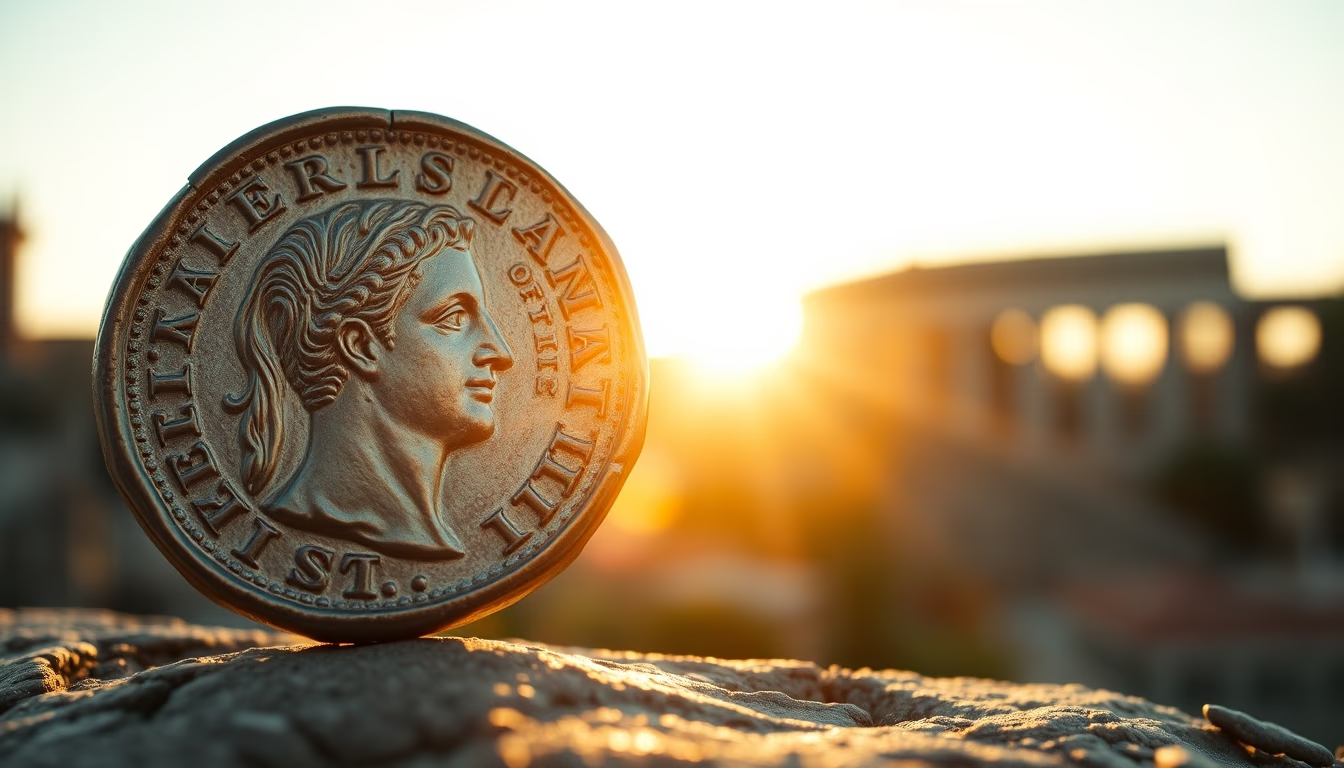
The Roman silver denarius was the backbone of the imperial monetary system for centuries, weighing approximately 4.5 grams.
About this subject
The silver denarius was introduced around 211 BC during the Second Punic War, replacing the earlier bronze coinage based on the as. With an average diameter of 18 to 20 millimeters and an initial silver purity of 95%, it became the standard coin for daily transactions and military pay. Its name comes from the Latin deni (ten), as it was originally worth 10 asses, later revalued to 16 asses.
The iconography of the denarius is a rich historical source. The obverse typically bore the portrait of the reigning emperor or a family member, while the reverse depicted military victories, deities, or allegorical figures such as Abundance, Liberty, or Peace. For instance, Julius Caesar's denarii were the first to circulate with the portrait of a living Roman, breaking the tradition of only depicting deceased or deified figures. The issues of Emperor Trajan (AD 98, 117) are particularly prized for their high artistic quality.
Economically, the denarius lost value over time. From near-pure silver, fineness dropped to 90% under Nero (AD 54, 68) and plummeted to just 5% by the third century during the Crisis of the Third Century. Diocletian's monetary reform at the end of the third century replaced the denarius with new coins, but its legacy endured: the Arabic word dinar and the name of the currency of Serbia and several other countries derive from "denarius." Today, a well-preserved denarius can fetch tens of thousands of dollars at auction, especially if struck to commemorate events such as the conquest of Dacia or the building of the Colosseum.
To identify an authentic coin, experts examine the style of the portrait, natural wear patterns, weight, and silver content. Modern replicas are common, but details such as patina, die characteristics, and Latin legends help distinguish genuine pieces. Many denarii have been uncovered in hoards, such as the famous Hoxne Hoard in England or the Varna Hoard in Bulgaria, revealing trade patterns and circulation.
Frequently Asked Questions
How much was a Roman denarius worth in its heyday?
During the Republic, a denarius was worth 10 bronze asses. Under the Empire, it was revalued to 16 asses and represented a day's wage for a common laborer or soldier.
Which emperors minted the most denarii?
Emperors such as Augustus, Nero, Trajan, Hadrian, and Marcus Aurelius issued large quantities. Each emperor used the denarius to propagate their image and achievements.
How can I tell if a denarius is authentic?
Check the weight (around 3.5 to 4.5 g), silver fineness (using non-destructive tests like X-ray fluorescence), style of the portrait and legends, and the presence of ancient patina. Consult a numismatic expert.
Direct URL
https://pub-c7d6a6ea828543ac903a74a341ccb2e1.r2.dev/imagens/roman-silver-denarius-coin-cinematic-wide-shot-fresh1.avifHow to credit
Include a visible link back to UtilizAí. Copy one of the snippets below:
<a href="https://xn--utiliza-eza.com/en/midia/imagens/roman-silver-denarius-coin-cinematic-wide-shot-fresh1">Roman silver denarius coin</a> by <a href="https://xn--utiliza-eza.com">UtilizAí</a>, licensed under <a href="https://creativecommons.org/licenses/by/4.0/">CC BY 4.0</a>.
[Roman silver denarius coin](https://xn--utiliza-eza.com/en/midia/imagens/roman-silver-denarius-coin-cinematic-wide-shot-fresh1) by [UtilizAí](https://xn--utiliza-eza.com), CC BY 4.0
License: CC-BY-4.0