Rna molecule structure
1344×768 · AVIF · CC BY 4.0
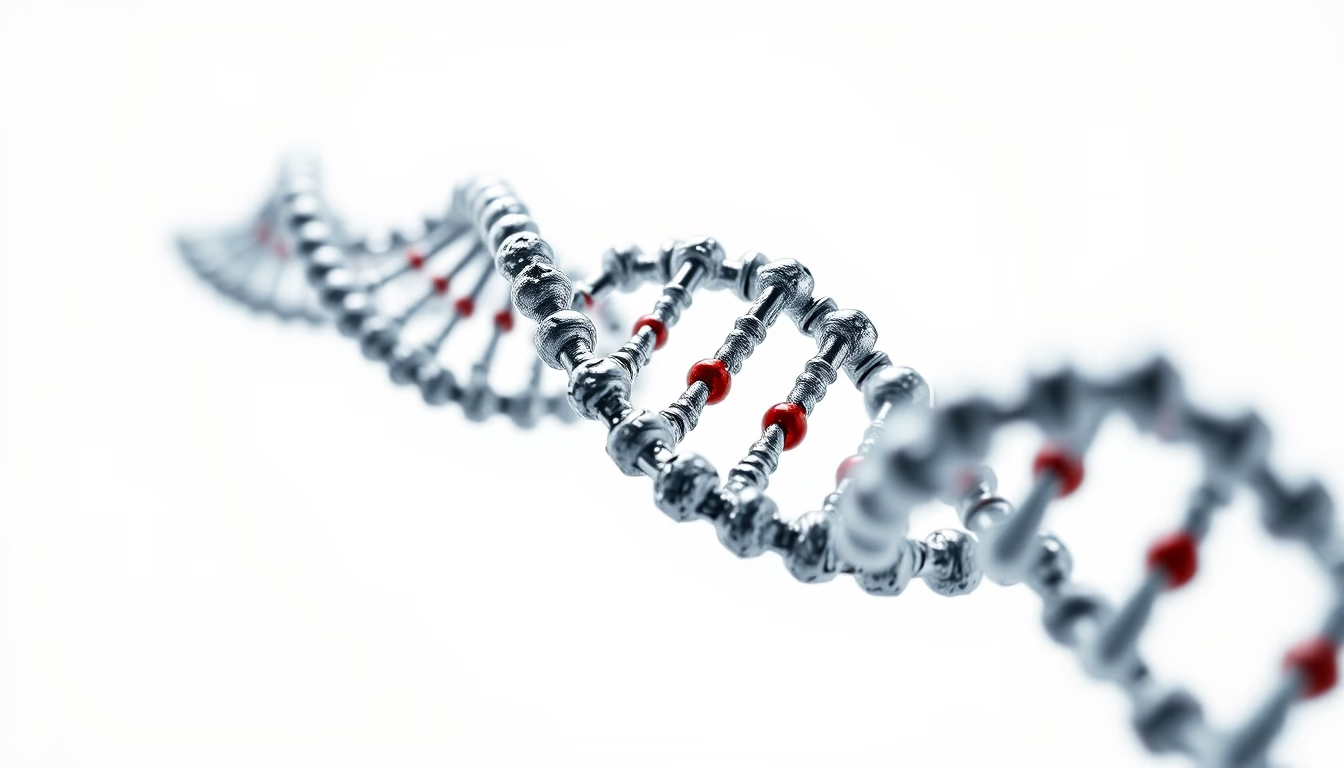
The structure of the RNA molecule, fundamental for gene expression and protein synthesis, is shown in detail.
About this subject
RNA (ribonucleic acid) is an essential molecule for life, acting as an intermediary between DNA and protein production. Unlike DNA, RNA is typically composed of a single strand of nucleotides, each containing a nitrogenous base (adenine, uracil, cytosine, or guanine), a ribose sugar, and a phosphate group. The presence of uracil instead of thymine is one of the main chemical differences between RNA and DNA.
In cells, three main types of RNA perform distinct functions in the process of gene expression. Messenger RNA (mRNA) carries genetic information from DNA to ribosomes, where translation occurs. Transfer RNA (tRNA) is responsible for bringing the correct amino acids during protein synthesis, thanks to its three-dimensional structure with loops that recognize codons on mRNA. Ribosomal RNA (rRNA) makes up the majority of ribosomes and catalyzes the formation of peptide bonds.
RNA structure can form complex folds and loops, such as hairpins and pseudoknots, which are crucial for its regulatory function and stability. For example, tRNA has a cloverleaf structure with specific arms for binding amino acids and anticodons. Additionally, non-coding RNAs like microRNAs have secondary structures that allow pairing with target mRNAs, regulating gene expression post-transcriptionally.
The discovery of RNA functions revolutionized molecular biology and led to technologies such as mRNA vaccines and RNA interference (RNAi). Detailed understanding of its structure is vital for advances in medicine, agriculture, and biotechnology. Techniques like X-ray crystallography and nuclear magnetic resonance are used to elucidate these structures, revealing the versatility and biological importance of RNA.
Frequently Asked Questions
What is the difference between RNA and DNA?
RNA has a single strand, ribose sugar, and uracil base, while DNA is double-stranded, has deoxyribose, and thymine. RNA is involved in protein synthesis, whereas DNA stores genetic information.
What are the main types of RNA?
The main types are messenger RNA (mRNA), which carries genetic information; transfer RNA (tRNA), which brings amino acids; and ribosomal RNA (rRNA), a structural component of ribosomes.
How does RNA structure influence its function?
RNA's secondary and tertiary structures, such as loops and hairpins, enable specific interactions with other molecules like proteins and other RNAs, essential for gene regulation and catalysis.
Direct URL
https://pub-c7d6a6ea828543ac903a74a341ccb2e1.r2.dev/imagens/rna-molecule-structure-commercial-product-photography-p10.avifHow to credit
Include a visible link back to UtilizAí. Copy one of the snippets below:
<a href="https://xn--utiliza-eza.com/en/midia/imagens/rna-molecule-structure-commercial-product-photography-p10">Rna molecule structure</a> by <a href="https://xn--utiliza-eza.com">UtilizAí</a>, licensed under <a href="https://creativecommons.org/licenses/by/4.0/">CC BY 4.0</a>.
[Rna molecule structure](https://xn--utiliza-eza.com/en/midia/imagens/rna-molecule-structure-commercial-product-photography-p10) by [UtilizAí](https://xn--utiliza-eza.com), CC BY 4.0
License: CC-BY-4.0