Rioja spain vineyards
1344×768 · AVIF · CC BY 4.0
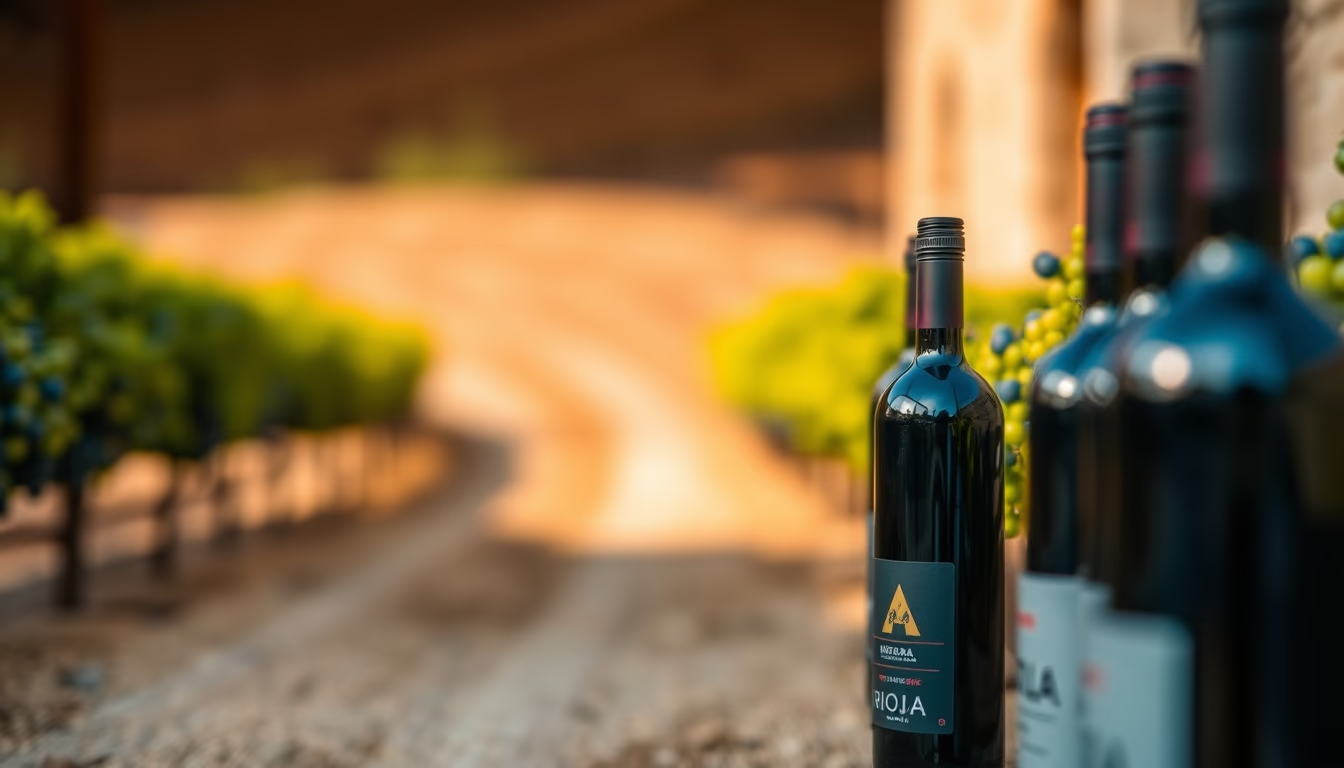
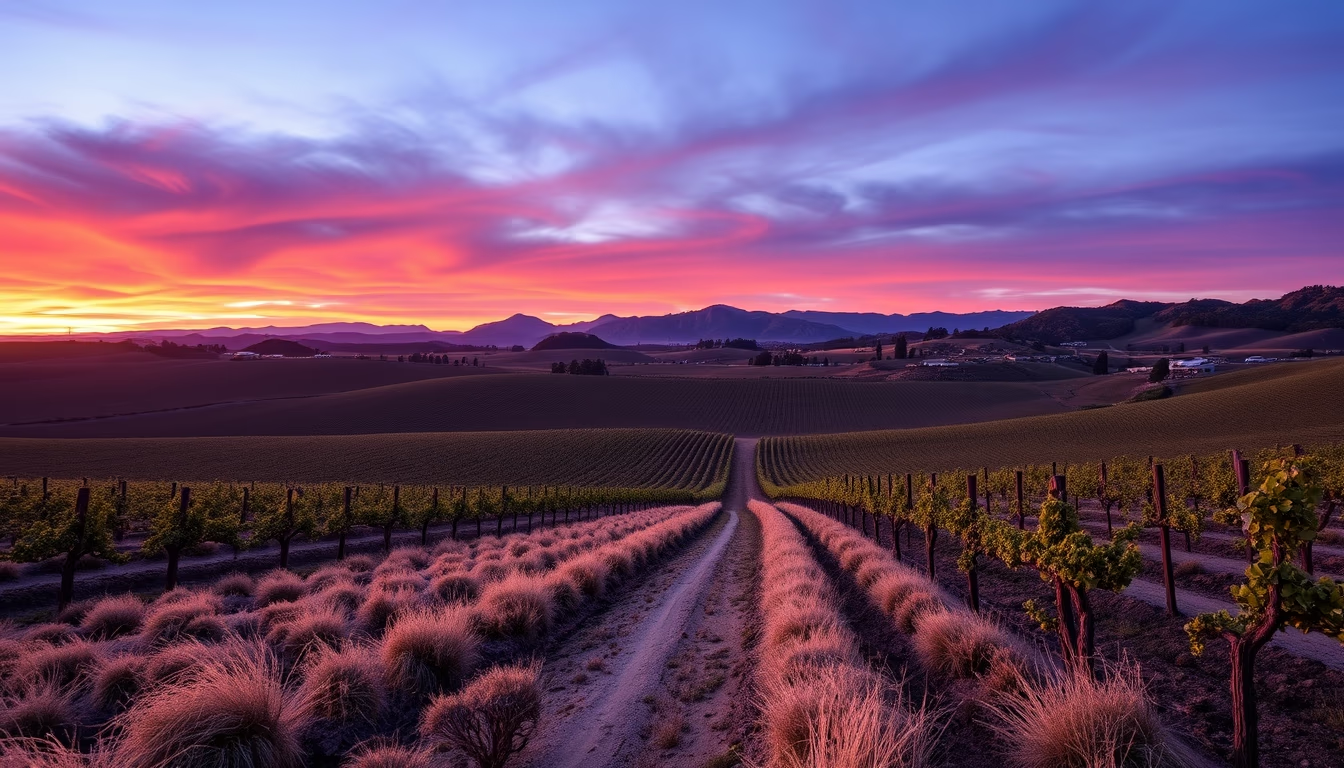
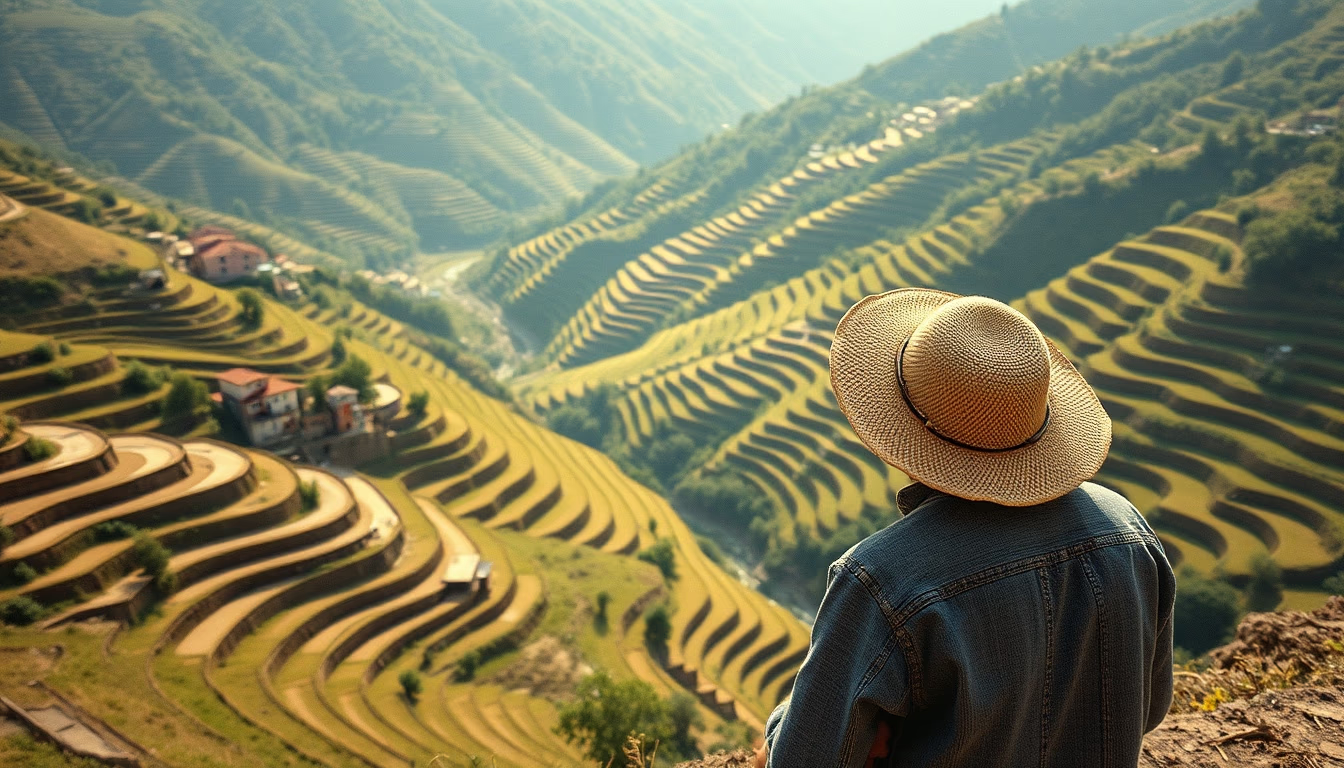
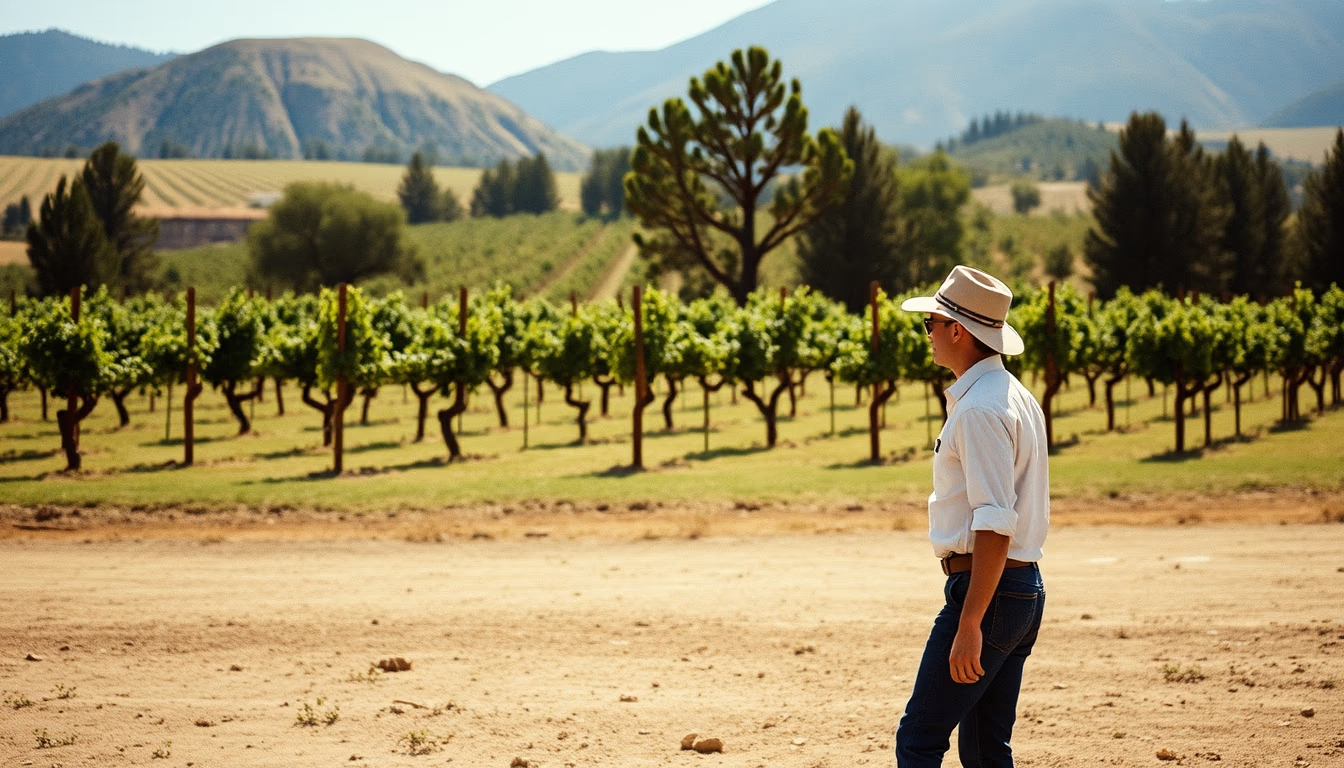
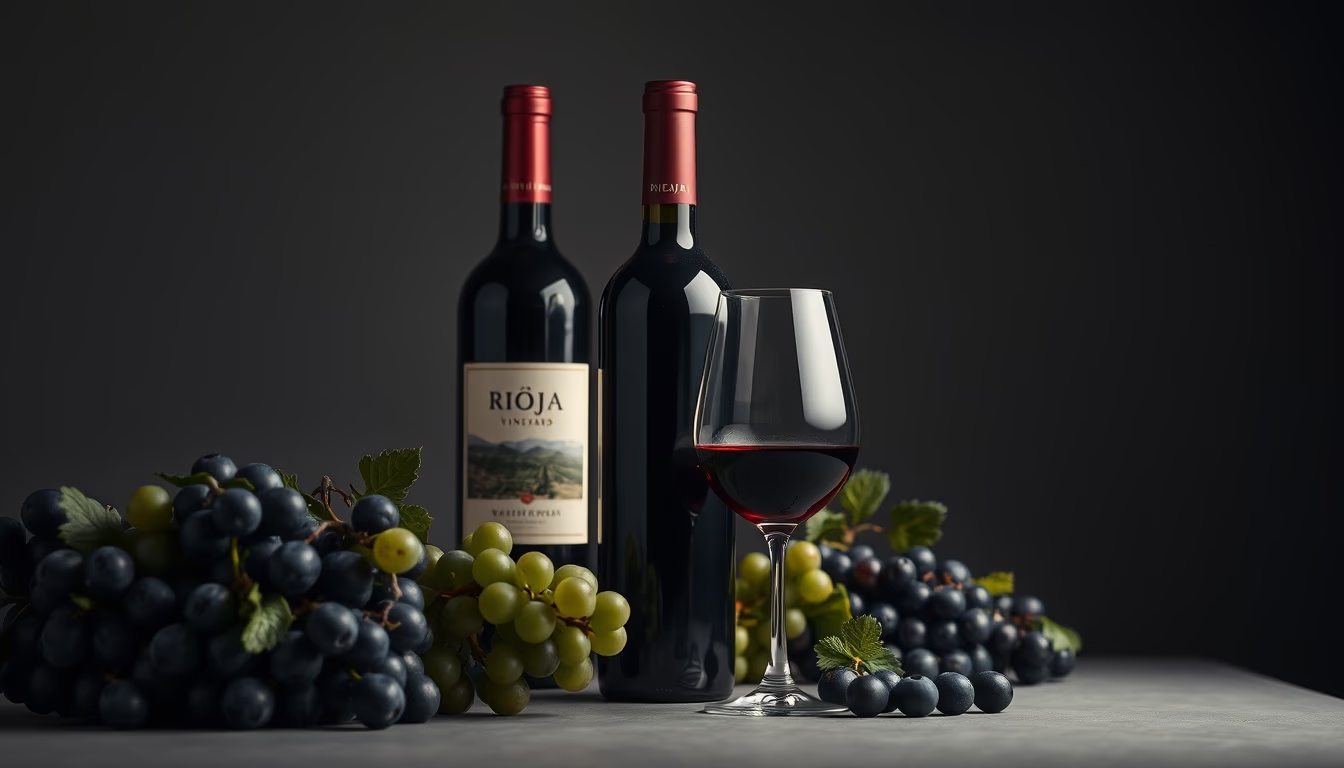
The vineyards of Rioja in northern Spain produce some of the world's most renowned wines, especially from the Tempranillo grape.
About this subject
The Rioja wine region, located along the Ebro River in northern Spain, is one of the country's most prestigious Denominations of Origin. Its modern history began in the 19th century when local vintners, influenced by Bordeaux techniques, started refining aging in oak barrels. The Mediterranean climate with Atlantic influence, combined with diverse soils including limestone, clay, and alluvium, provides ideal conditions for Tempranillo, the dominant grape variety. The sub-regions of Rioja Alta, Rioja Alavesa, and Rioja Oriental offer distinct profiles: structured and aged wines in Alta, freshness and elegance in Alavesa, and greater body and concentration in Oriental.
The classification of Rioja wines by aging time is a hallmark: Crianza (minimum one year in barrel), Reserva (three years, one in barrel), and Gran Reserva (five years, two in barrel). Traditionally, American and French oak barrels are used, imparting vanilla, coconut, and spice notes. Other grapes like Garnacha, Graciano, and Mazuelo are often blended for complexity. Rioja was the first Spanish region to receive Denomination of Origin (DO) status in 1925 and later the Qualified Denomination of Origin (DOCa) in 1991, a high-quality seal.
Culturally, Rioja's vineyards are integral to the landscape and local economy, with numerous bodegas attracting wine tourists from around the world. The town of Haro is famous for its Wine Battle, Batalla del Vino, where participants douse each other with red wine. The region pairs well with traditional dishes such as roast lamb, aged cheeses, and cured sausages. Sustainable production and technological innovation continue to evolve while preserving centuries-old traditions.
Frequently Asked Questions
What sets Rioja apart from other Spanish wine regions?
Rioja stands out as the first Spanish region to achieve DOCa status, ensuring strict quality standards. The predominant use of Tempranillo and extended aging in American and French oak barrels create unique styles with vanilla and spice aromas.
Which grape varieties are mainly grown in Rioja?
Tempranillo is the primary grape, providing structure and color. Other varieties include Garnacha (body and sweetness), Graciano (acidity and aroma), and Mazuelo (tannins). For white wines, Viura, Malvasia, and Chardonnay are common.
Why are Rioja wines aged in oak barrels?
Barrel aging softens tannins and adds aromatic complexity. The tradition began in the 19th century, inspired by Bordeaux. American oak imparts vanilla and coconut notes, while French oak offers spices and floral hints.
Direct URL
https://pub-c7d6a6ea828543ac903a74a341ccb2e1.r2.dev/imagens/rioja-spain-vineyards-tilt-shift-miniature-fresh1.avifHow to credit
Include a visible link back to UtilizAí. Copy one of the snippets below:
<a href="https://xn--utiliza-eza.com/en/midia/imagens/rioja-spain-vineyards-tilt-shift-miniature-fresh1">Rioja spain vineyards</a> by <a href="https://xn--utiliza-eza.com">UtilizAí</a>, licensed under <a href="https://creativecommons.org/licenses/by/4.0/">CC BY 4.0</a>.
[Rioja spain vineyards](https://xn--utiliza-eza.com/en/midia/imagens/rioja-spain-vineyards-tilt-shift-miniature-fresh1) by [UtilizAí](https://xn--utiliza-eza.com), CC BY 4.0
License: CC-BY-4.0