Rioja spain vineyards
1344×768 · AVIF · CC BY 4.0
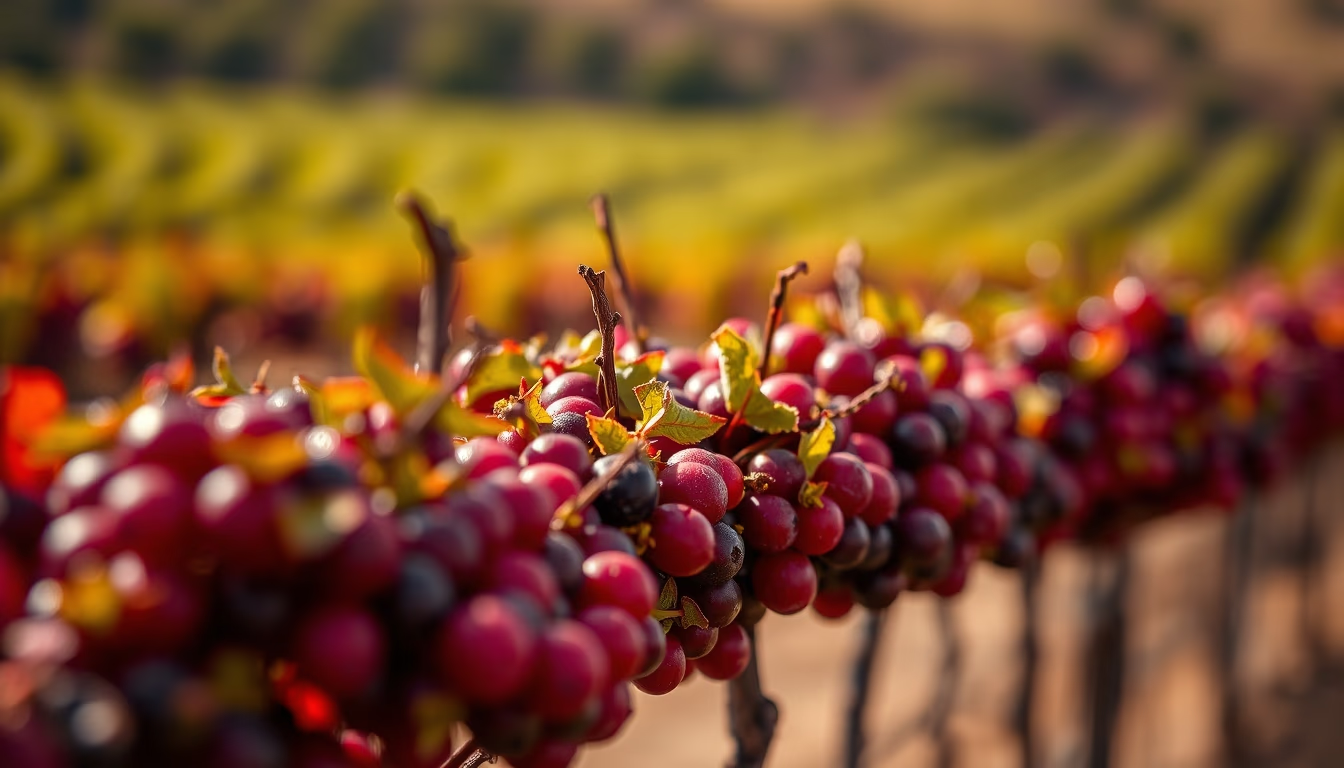
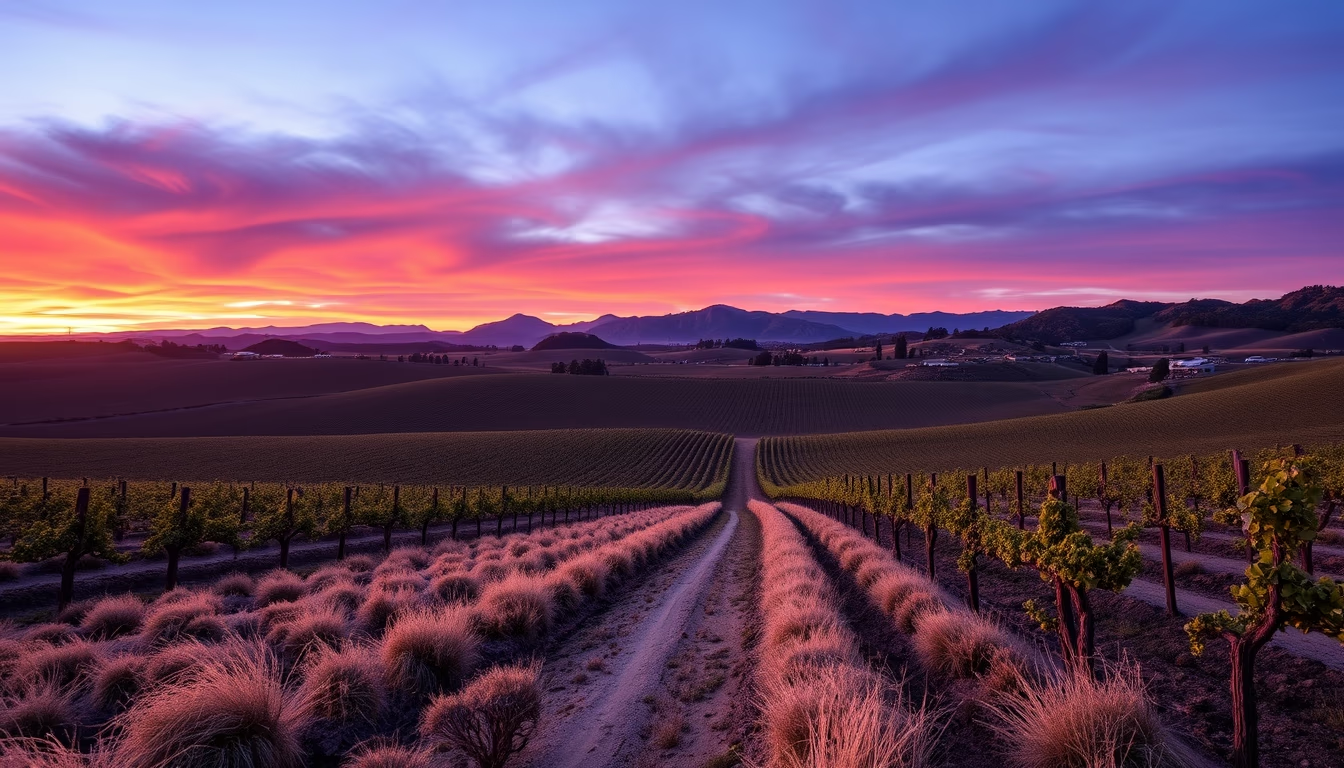
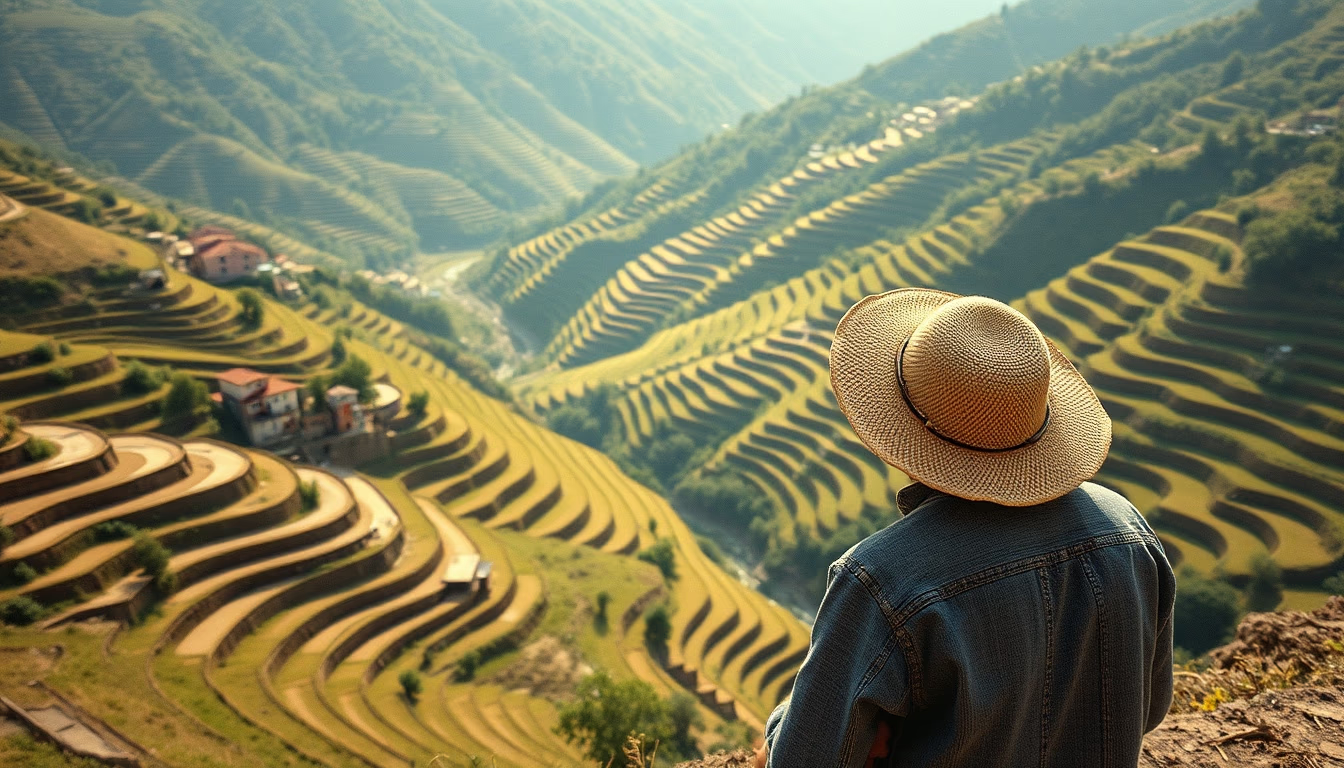
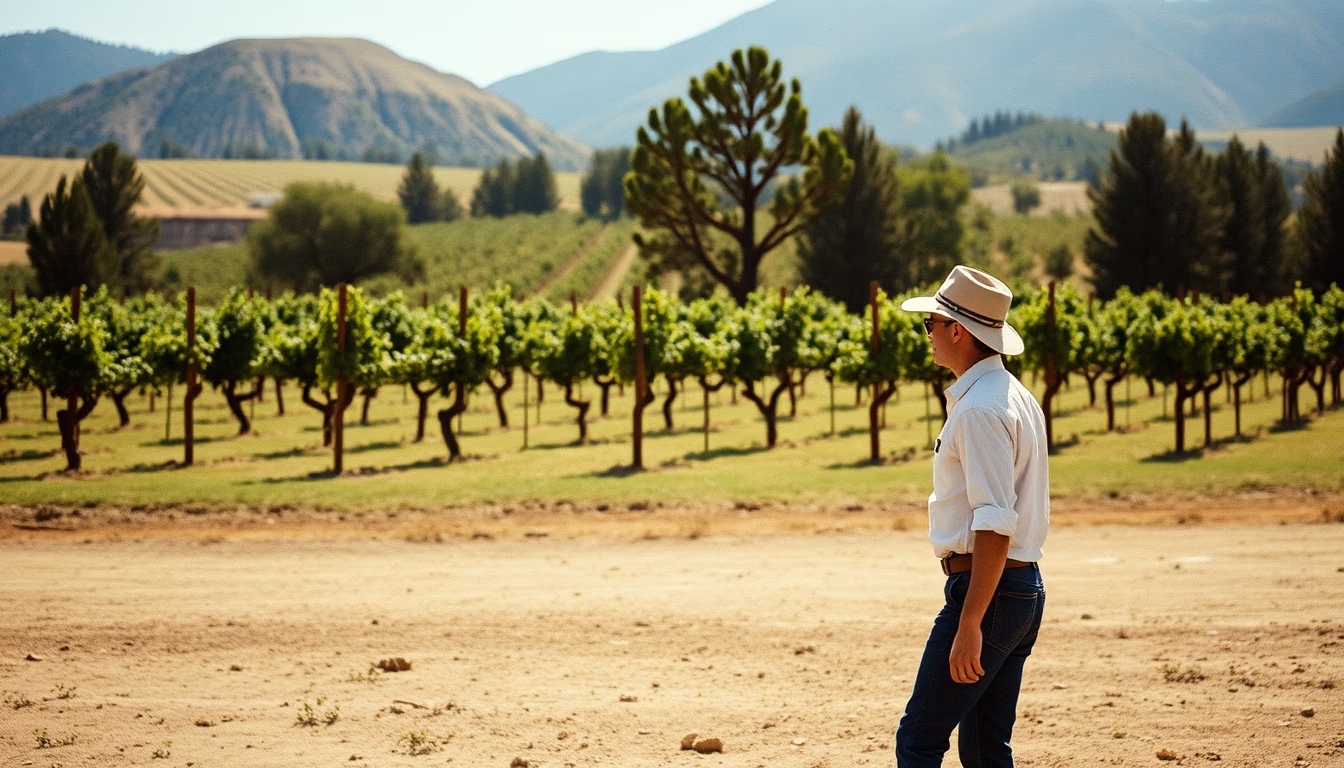
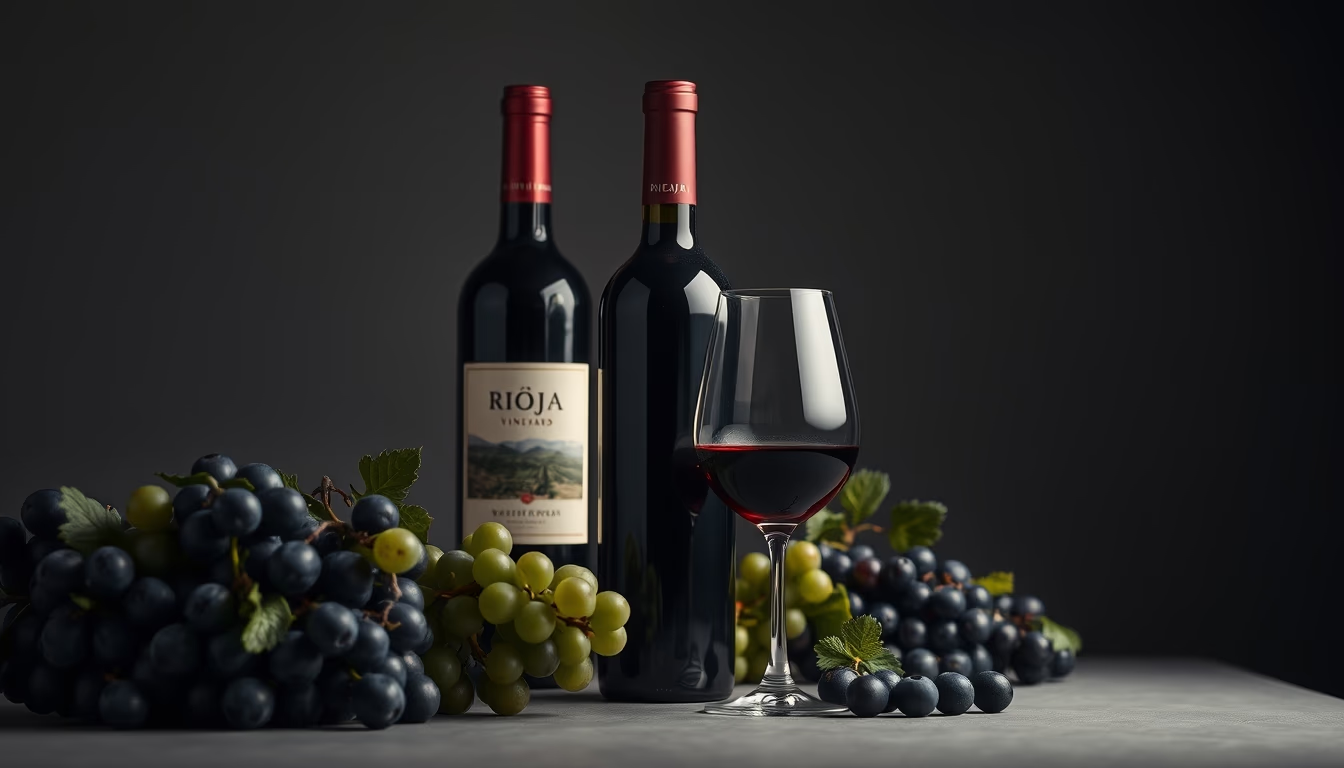
The vineyards of Rioja, Spain, are renowned for producing high-quality red wines, primarily from the Tempranillo grape, in a region with Qualified Designation of Origin (DOCa) status.
About this subject
The Rioja wine region, located in northern Spain, is one of the most prestigious wine regions in the world, achieving the DOCa (Denominación de Origen Calificada) status in 1991, the highest classification for Spanish wines. Its winemaking tradition dates back to Roman times, but it gained prominence in the 19th century when phylloxera devastated French vineyards and prompted Bordeaux winemakers to settle in the area. Today, Rioja is divided into three sub-regions: Rioja Alta (cooler climate, clay soils), Rioja Alavesa (Atlantic influence, limestone soils), and Rioja Oriental (formerly Rioja Baja, warmer and drier).
The region's flagship grape is Tempranillo, covering about 85% of vineyards. Other authorized varieties include Garnacha, Graciano, and Mazuelo, as well as white grapes Viura and Malvasía. The climate is Mediterranean with Atlantic influence, with cold winters and mild summers. Soils range from limestone, clay to alluvial deposits, contributing to wine complexity. Rioja is famous for its oak-aged wines, traditionally using American oak, which imparts vanilla and coconut notes.
The age classification is strict: Crianza (minimum two years, six months in barrel), Reserva (three years, one year in barrel), and Gran Reserva (five years, two years in barrel). Many producers also craft unoaked or French oak-influenced wines. Historic bodegas like Marqués de Riscal and López de Heredia coexist with modern projects focusing on terroir expression.
Rioja attracts wine tourists worldwide with its rolling vineyard landscapes and striking architecture, such as the Ysios winery designed by Santiago Calatrava and the Wine Cathedral in Haro. The region also produces white and rosé wines, but reds dominate exports. Events like the Wine War (Haro) and Rioja Wine Week celebrate local culture. With protected designation since 1936, Rioja remains a global benchmark for quality and winemaking tradition.
Frequently Asked Questions
What are the main grapes grown in Rioja?
The main grape is Tempranillo, covering about 85% of vineyards. Other red varieties include Garnacha, Graciano, and Mazuelo, while whites include Viura and Malvasía.
What do Crianza, Reserva, and Gran Reserva mean in Rioja wines?
They are aging categories: Crianza requires 2 years (6 months in barrel), Reserva 3 years (1 year in barrel), and Gran Reserva 5 years (2 years in barrel).
What are the differences between Rioja sub-regions?
Rioja Alta has a cooler climate and clay soils, producing elegant wines. Rioja Alavesa has Atlantic influence and limestone soils, yielding tannic wines. Rioja Oriental is warmer and drier, producing full-bodied wines.
Direct URL
https://pub-c7d6a6ea828543ac903a74a341ccb2e1.r2.dev/imagens/rioja-spain-vineyards-macro-closeup-fresh7.avifHow to credit
Include a visible link back to UtilizAí. Copy one of the snippets below:
<a href="https://xn--utiliza-eza.com/en/midia/imagens/rioja-spain-vineyards-macro-closeup-fresh7">Rioja spain vineyards</a> by <a href="https://xn--utiliza-eza.com">UtilizAí</a>, licensed under <a href="https://creativecommons.org/licenses/by/4.0/">CC BY 4.0</a>.
[Rioja spain vineyards](https://xn--utiliza-eza.com/en/midia/imagens/rioja-spain-vineyards-macro-closeup-fresh7) by [UtilizAí](https://xn--utiliza-eza.com), CC BY 4.0
License: CC-BY-4.0