Rioja spain vineyards
1344×768 · AVIF · CC BY 4.0
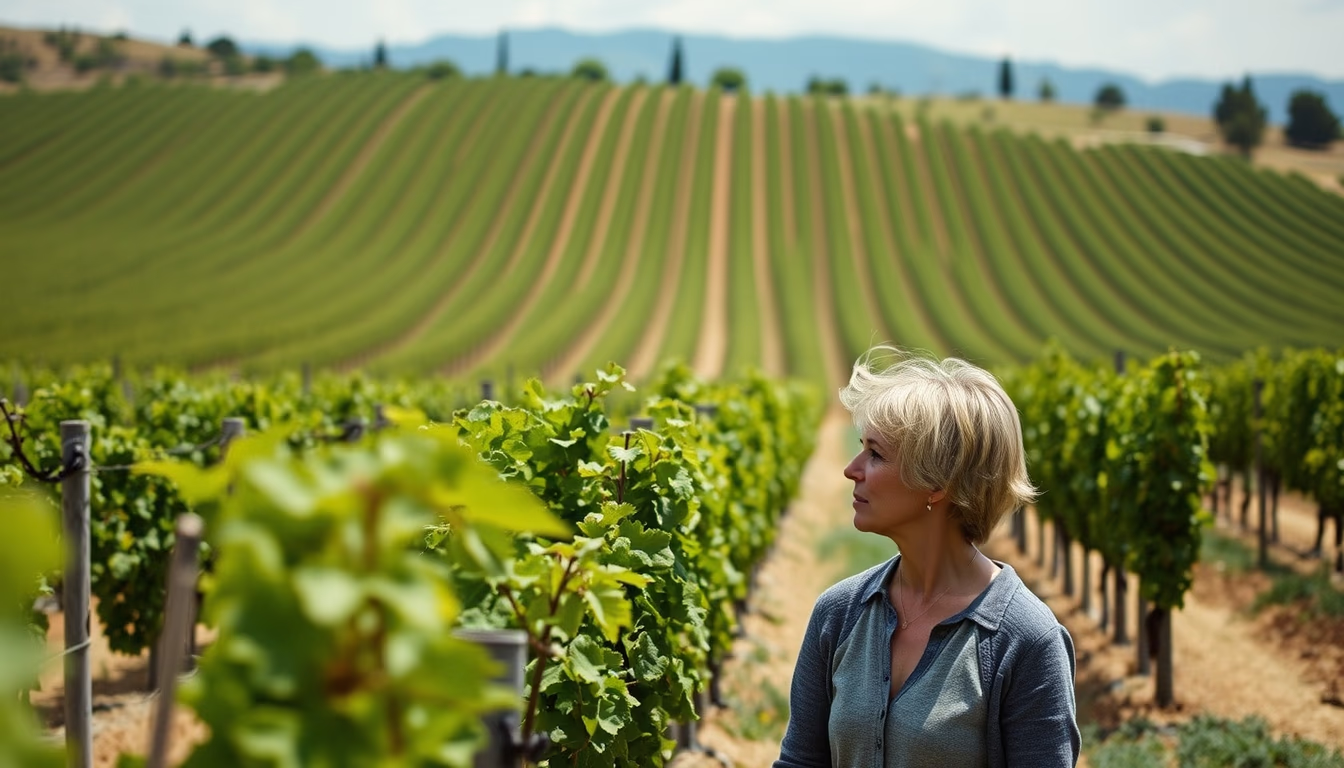
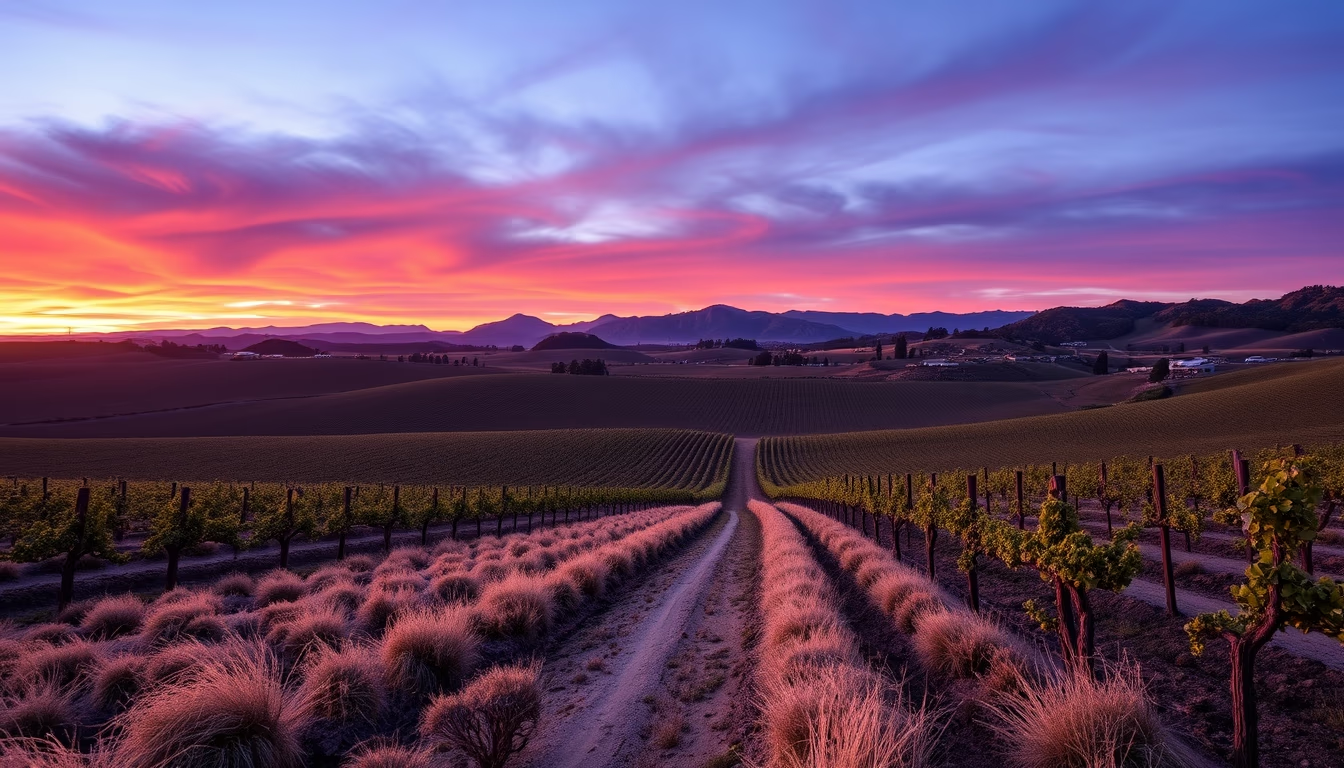
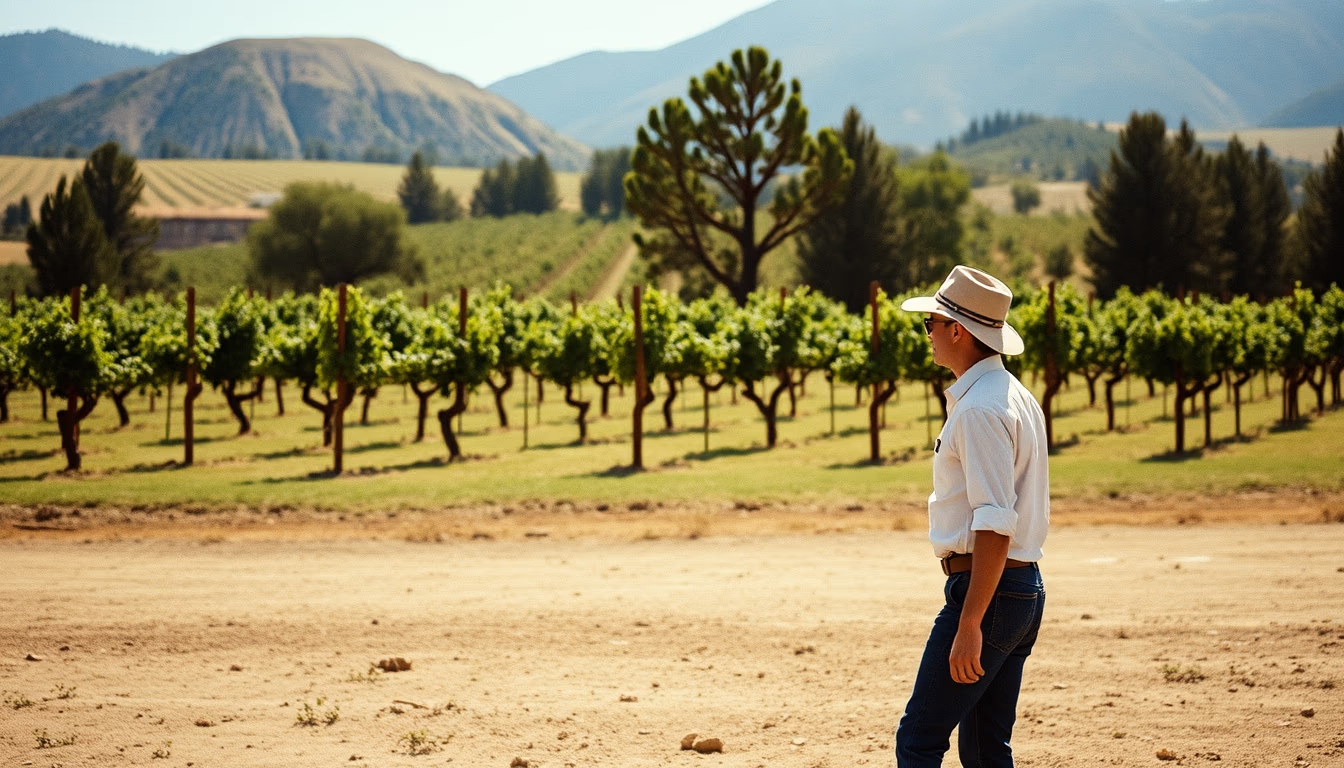
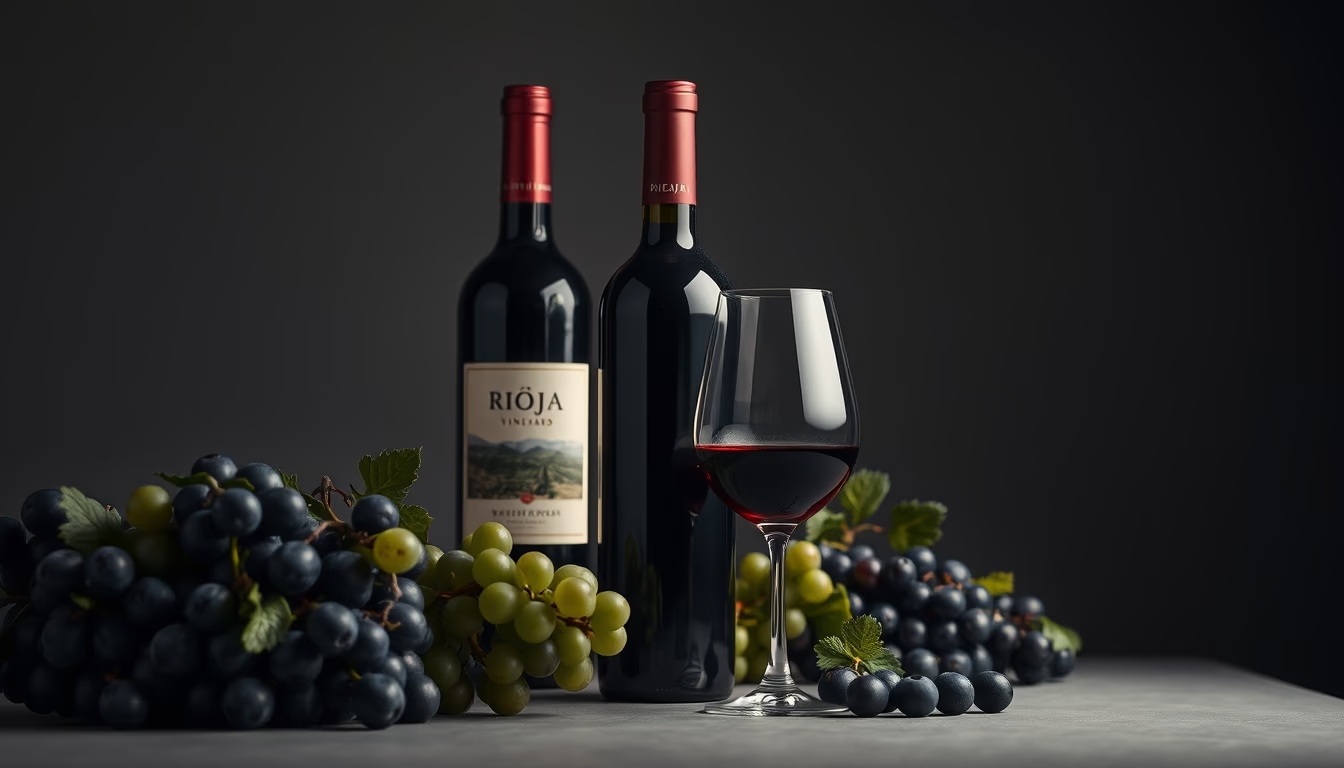
Rioja vineyards in Spain are renowned for their full-bodied Tempranillo wines, blending tradition and innovation.
About this subject
The Rioja wine region, located in northern Spain along the Ebro River, is one of the most prestigious in the world. Its history dates back to Roman and medieval times, but it gained international fame in the 19th century when local winemakers adopted aging techniques using French oak barrels. The region is divided into three sub-regions: Rioja Alta, Rioja Alavesa, and Rioja Oriental, each with distinct soil and climate. Rioja Alta has clay and limestone soils with a wetter climate; Rioja Alavesa, influenced by the Atlantic, has poorer soils producing elegant wines; Rioja Oriental, hotter and drier, yields powerful wines.
The flagship grape is Tempranillo, covering over 80% of planted area. Other permitted varieties include Garnacha, Graciano, Mazuelo, and the white grapes Viura, Malvasia, and Garnacha Blanca. Rioja's classification system is based on aging time: Joven (no aging), Crianza (minimum 2 years, 1 in barrel), Reserva (minimum 3 years, 1 in barrel), and Gran Reserva (minimum 5 years, 2 in barrel). This hierarchy reflects the region's commitment to quality and longevity.
Culturally, Rioja is a symbol of Spanish identity, paired with local cuisine such as roast lamb and aged cheeses. The region is a leading wine tourism destination, featuring hundreds of historic and modern bodegas. The vineyard landscape, with rolling hills and rows of vines, is an agricultural heritage site attracting global visitors. Notably, Rioja was the first Spanish region to obtain the Qualified Denomination of Origin (DOCa) status in 1991, ensuring strict production standards.
Frequently Asked Questions
What are the main grape varieties in Rioja?
The most important grape is Tempranillo, which produces full-bodied red wines. Other red varieties include Garnacha, Graciano, and Mazuelo. Main white grapes are Viura, Malvasia, and Garnacha Blanca.
What is the difference between Rioja Crianza, Reserva, and Gran Reserva?
Crianza ages for a minimum of 2 years (1 in barrel), Reserva for 3 years (1 in barrel), and Gran Reserva for 5 years (2 in barrel). Longer aging results in more complex and smoother wines.
Is Rioja the only DOCa region in Spain?
Yes, Rioja was the first to receive DOCa (Qualified Denomination of Origin) status in 1991, which requires stricter controls than a regular DO. Currently, only Rioja and Priorat hold this status.
Direct URL
https://pub-c7d6a6ea828543ac903a74a341ccb2e1.r2.dev/imagens/rioja-spain-vineyards-film-grain-authentic-fresh15.avifHow to credit
Include a visible link back to UtilizAí. Copy one of the snippets below:
<a href="https://xn--utiliza-eza.com/en/midia/imagens/rioja-spain-vineyards-film-grain-authentic-fresh15">Rioja spain vineyards</a> by <a href="https://xn--utiliza-eza.com">UtilizAí</a>, licensed under <a href="https://creativecommons.org/licenses/by/4.0/">CC BY 4.0</a>.
[Rioja spain vineyards](https://xn--utiliza-eza.com/en/midia/imagens/rioja-spain-vineyards-film-grain-authentic-fresh15) by [UtilizAí](https://xn--utiliza-eza.com), CC BY 4.0
License: CC-BY-4.0