Remote worker in home office with coffee and laptop
1344×768 · AVIF · CC BY 4.0
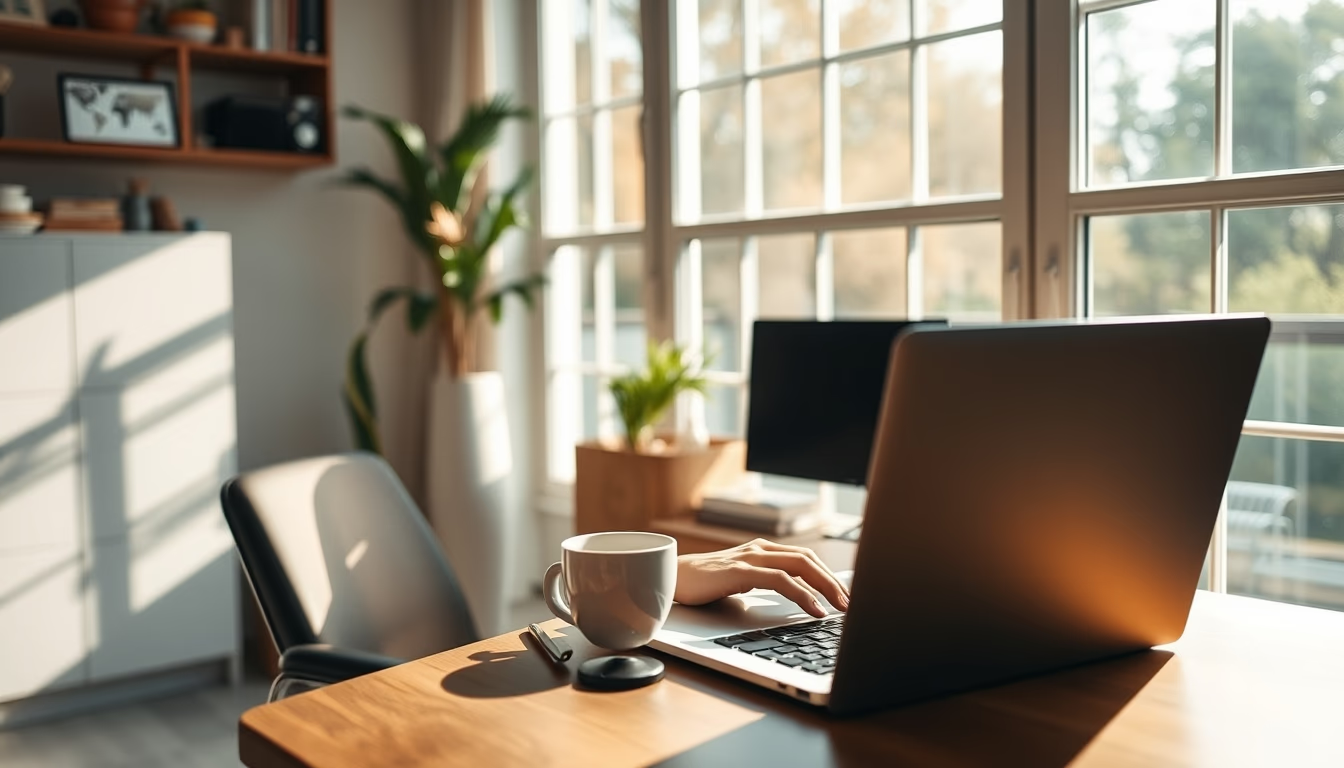
A remote worker with coffee and laptop in a home office setting reflects the rise of remote work in Brazil after the pandemic.
About this subject
Remote work, also known as home office or telework, became a reality for millions of Brazilians starting in 2020. According to a survey by the Brazilian Institute of Geography and Statistics (IBGE), about 8.3 million people were working from home in May 2020, at the peak of the Covid-19 pandemic. This work model, previously rare in the country, was adopted by companies in various sectors, such as technology, finance, and services.
The image of a professional with a cup of coffee and a laptop at home symbolizes the routine of those who balance household and professional tasks in the same space. In Brazil, coffee is the most consumed beverage, with an average of 4.8 kg per capita per year, according to the Brazilian Coffee Industry Association (ABIC). Many remote workers report that coffee helps with concentration and breaking the monotony.
Brazilian labor legislation was updated to regulate home office. The 2017 Labor Reform already provided for telework, but the pandemic accelerated its adoption. In 2023, the federal government sanctioned Law 14.442/2023, which establishes clear rules on the payment of expenses such as internet and electricity by the employer, in addition to defining working hours and rest.
Despite the benefits, such as flexible hours and elimination of commuting, home office also brings challenges. A survey by the Getulio Vargas Foundation (FGV) indicated that 40% of Brazilian remote workers face difficulties maintaining discipline and separating personal from professional life. The image of the professional with coffee and laptop, therefore, not only depicts a common scene but also highlights the cultural and legal transformations in the world of work in Brazil.
Frequently Asked Questions
What are the rights of remote workers in Brazil?
Law 14.442/2023 establishes that the employer must cover costs for internet and electricity, in addition to ensuring working hours and rest. The worker is also entitled to vacation, 13th salary, and FGTS.
How did coffee become a symbol of home office?
Coffee is the most consumed beverage in Brazil, averaging 4.8 kg per capita per year. Many remote workers report that coffee helps with concentration and taking breaks to recharge, making it an essential item in the routine.
What was the impact of the pandemic on remote work in Brazil?
In May 2020, 8.3 million Brazilians were working from home, according to IBGE. The pandemic accelerated the adoption of the model, which was previously rare, and led to changes in labor legislation.
Direct URL
https://pub-c7d6a6ea828543ac903a74a341ccb2e1.r2.dev/imagens/remote-worker-in-home-office-with-coffee-and-laptop-documentary-morning-7.avifHow to credit
Include a visible link back to UtilizAí. Copy one of the snippets below:
<a href="https://xn--utiliza-eza.com/en/midia/imagens/remote-worker-in-home-office-with-coffee-and-laptop-documentary-morning-7">Remote worker in home office with coffee and laptop</a> by <a href="https://xn--utiliza-eza.com">UtilizAí</a>, licensed under <a href="https://creativecommons.org/licenses/by/4.0/">CC BY 4.0</a>.
[Remote worker in home office with coffee and laptop](https://xn--utiliza-eza.com/en/midia/imagens/remote-worker-in-home-office-with-coffee-and-laptop-documentary-morning-7) by [UtilizAí](https://xn--utiliza-eza.com), CC BY 4.0
License: CC-BY-4.0
Tags
Related images
 Food delivery rider on motorbike in São Paulo traffic
 Food delivery rider on motorbike in São Paulo traffic
 Food delivery rider on motorbike in São Paulo traffic
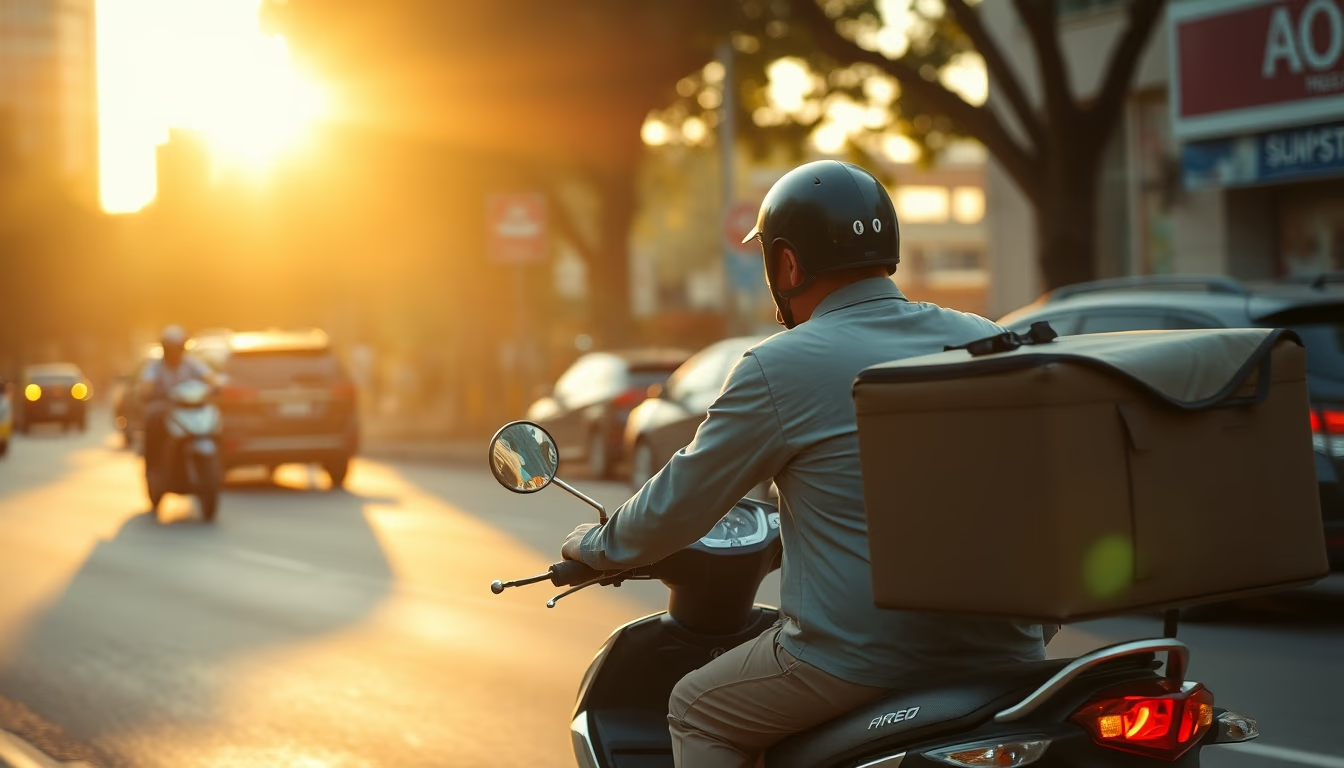 Food delivery rider on motorbike in São Paulo traffic
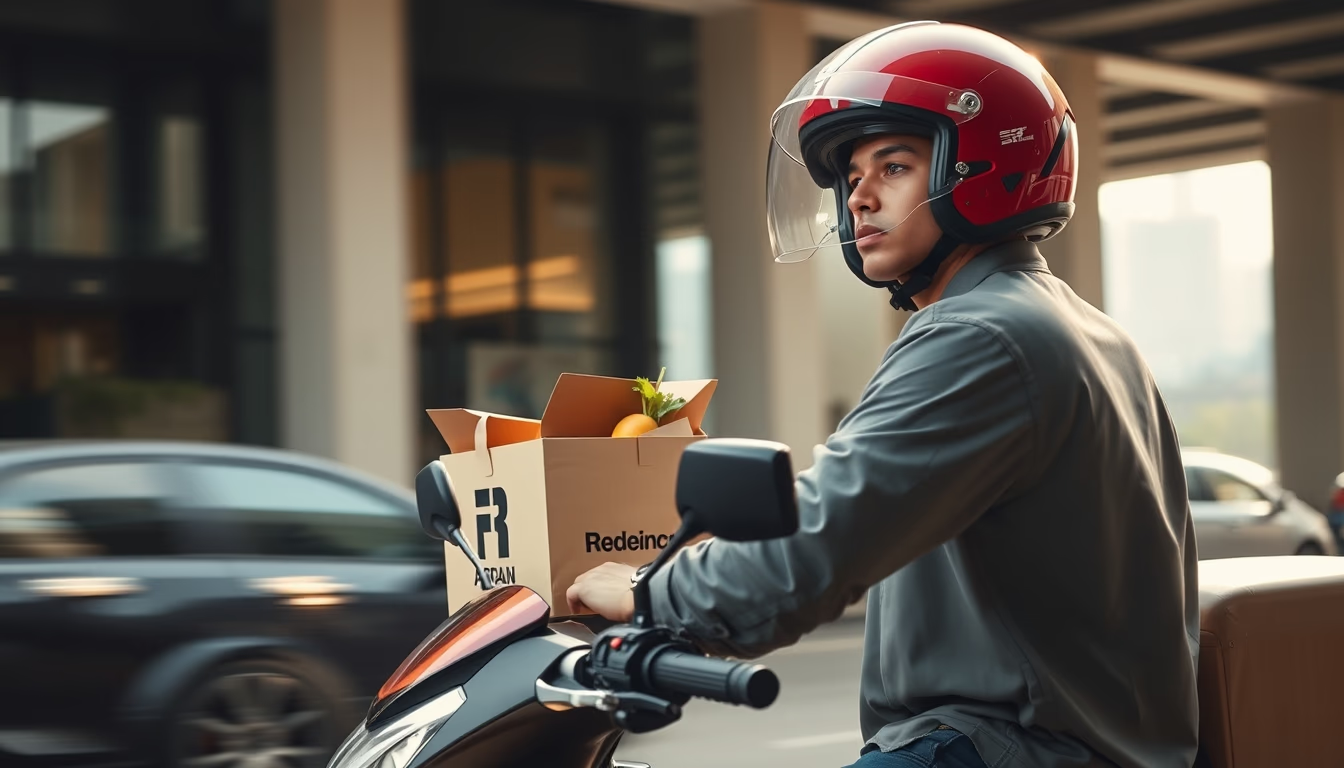 Food delivery rider on motorbike in São Paulo traffic
 Food delivery rider on motorbike in São Paulo traffic