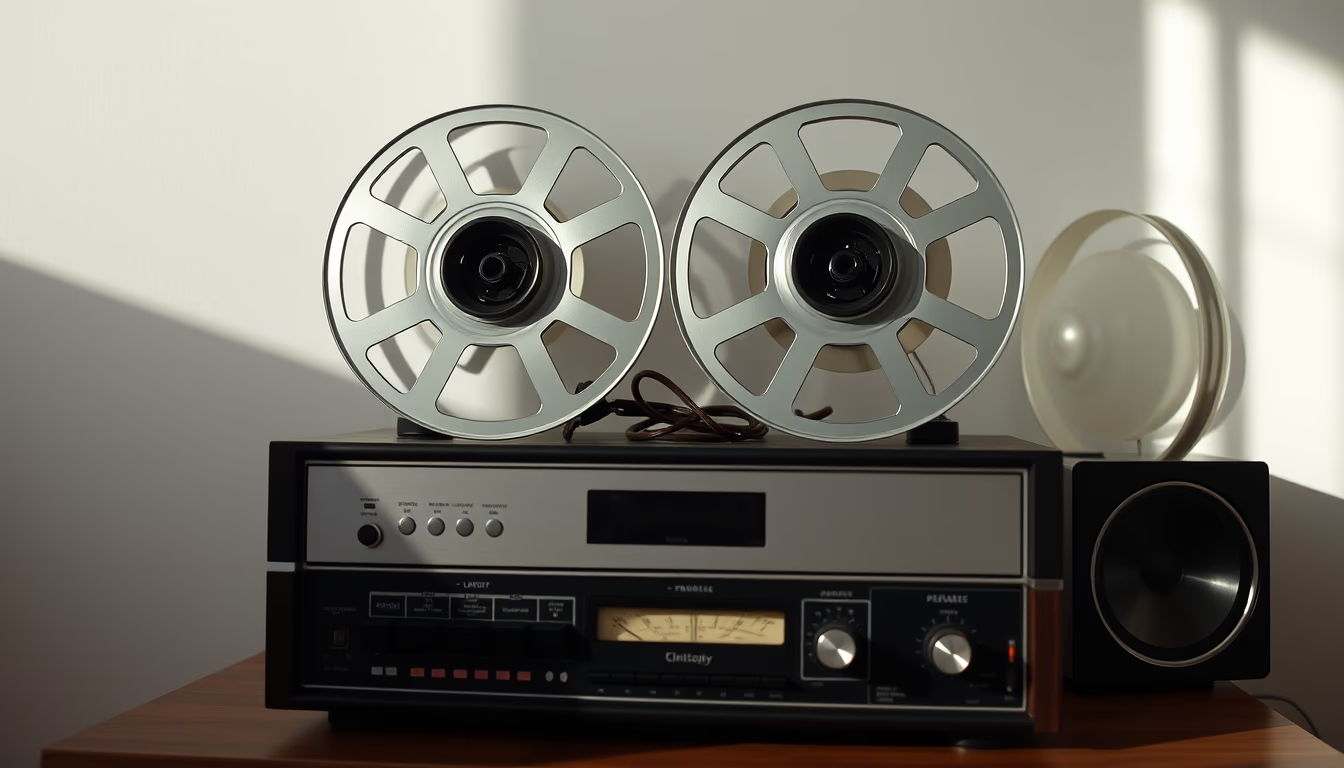
Reel to reel tape player
1344×768 · AVIF · CC BY 4.0

The reel-to-reel tape player defined the analog audio era, used by professionals and enthusiasts for high-fidelity sound recording and playback.
About this subject
The reel-to-reel tape player, also known as the open-reel recorder, was the primary magnetic audio recording device from the mid-1940s until the late 1980s. Unlike compact cassettes, reel-to-reel tapes are wider (typically 1/4 inch) and run at higher speeds (such as 7.5 or 15 inches per second), allowing a wider frequency response and lower background noise. This made them the standard in professional recording studios, radio stations, and among audiophiles.
The technology evolved from magnetic wire recorders used during World War II. German company AEG created the first practical magnetophone in 1935, but it was Ampex in the United States that popularized the format in the 1950s with machines like the Ampex 200. Artists such as Frank Sinatra and The Beatles recorded classic albums on multitrack reel-to-reel machines, which enabled overdubbing and advanced mixing for the time.
In Brazil, reel-to-reel tapes were widely used by studios like RCA Victor and Gravadora Eldorado, and were popular among ham radio operators and classical music collectors. Maintenance of these devices requires careful cleaning of the recording heads and calibration of tape tension. Today, dedicated communities preserve these recorders, and original master tapes are kept in historical archives.
Although supplanted by digital formats like CD and streaming, reel-to-reel recorders are experiencing a revival among audiophiles who appreciate the “warm” analog sound. Vintage models such as the Revox A77, Sony TC-630, and Pioneer RT-707 are highly sought after on the used market, with prices ranging from hundreds to thousands of reais depending on condition.
Frequently Asked Questions
What is the difference between a reel-to-reel recorder and a cassette deck?
The main difference is tape width and speed. Reel-to-reel tapes are wider (1/4 inch) and run at higher speeds, offering higher fidelity and lower noise. Cassettes are more compact and convenient but with lower quality.
Are reel-to-reel tapes still being manufactured?
Yes, some companies like Recording The Masters and ATR Services still produce virgin reel-to-reel tapes, mainly for the audiophile market and historical archiving. However, production is limited compared to the golden era.
How do I clean and maintain a reel-to-reel tape player?
Clean the recording heads, tape guides, and capstans with isopropyl alcohol and cotton swabs after extended use. Also check tape tension and lubricate mechanical parts according to the manufacturer's manual.
Direct URL
https://pub-c7d6a6ea828543ac903a74a341ccb2e1.r2.dev/imagens/reel-to-reel-tape-player-isometric-flat-lay-fresh9.avifHow to credit
Include a visible link back to UtilizAí. Copy one of the snippets below:
<a href="https://xn--utiliza-eza.com/en/midia/imagens/reel-to-reel-tape-player-isometric-flat-lay-fresh9">Reel to reel tape player</a> by <a href="https://xn--utiliza-eza.com">UtilizAí</a>, licensed under <a href="https://creativecommons.org/licenses/by/4.0/">CC BY 4.0</a>.
[Reel to reel tape player](https://xn--utiliza-eza.com/en/midia/imagens/reel-to-reel-tape-player-isometric-flat-lay-fresh9) by [UtilizAí](https://xn--utiliza-eza.com), CC BY 4.0
License: CC-BY-4.0