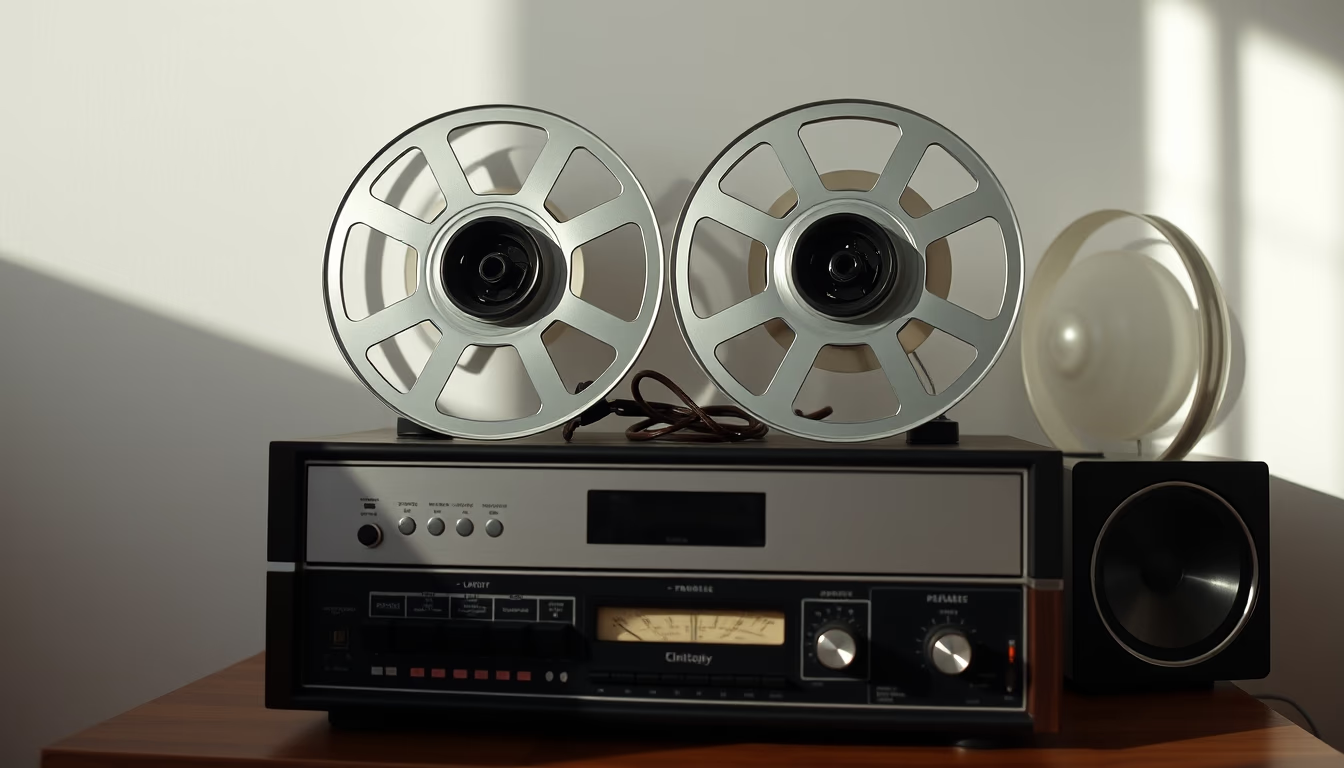
Reel to reel tape player
1344×768 · AVIF · CC BY 4.0
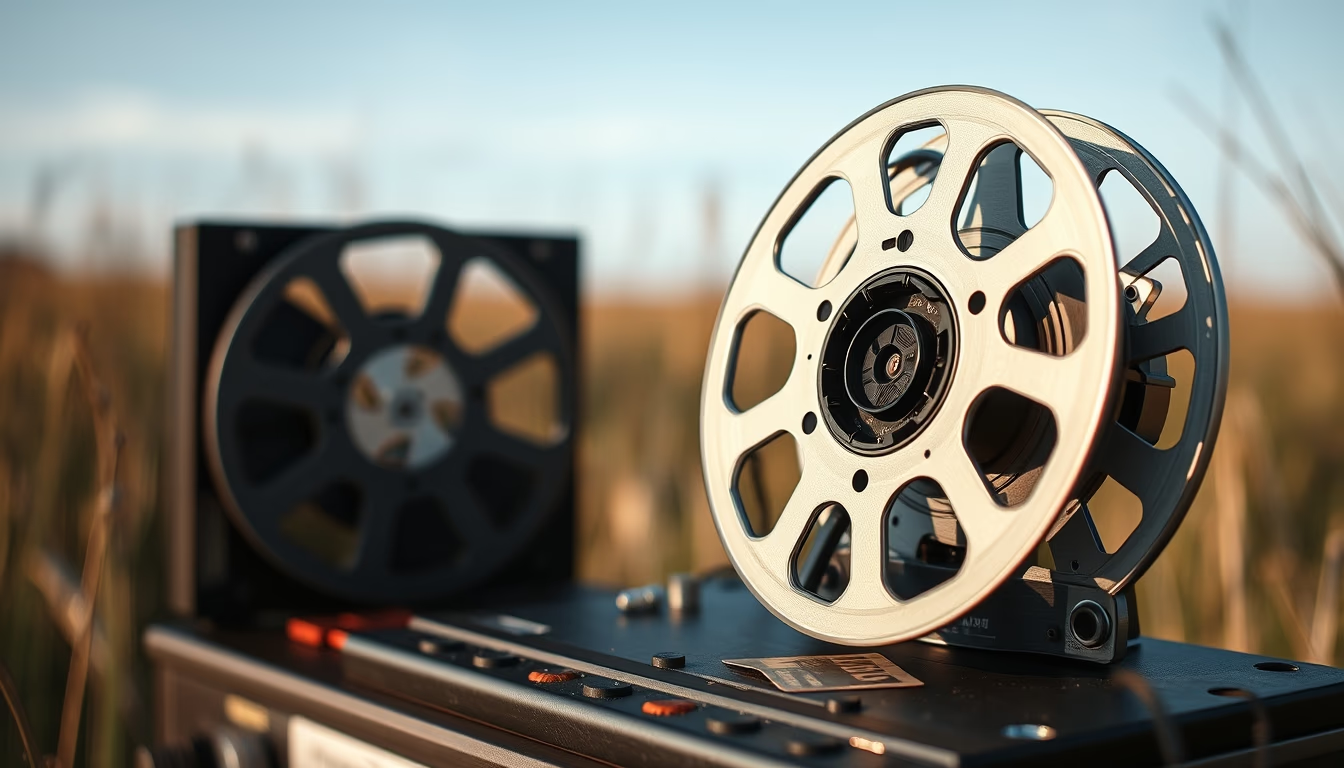
The reel-to-reel tape recorder was a milestone in sound recording history, used in professional studios and by audiophiles from the 1940s to the 1980s.
About this subject
The reel-to-reel tape recorder uses magnetic tape wound on open reels to store analog audio. Developed in the 1930s, with commercial models emerging after World War II, this equipment became the standard in recording studios for several decades. Companies like Ampex, Studer, and Revox manufactured iconic machines that allowed physical tape editing, enabling innovative music production techniques.
Magnetic reel tape offered superior audio quality compared to contemporary vinyl records, with wider frequency response and lower background noise. It was widely adopted by sound engineers and musicians, such as the Beatles, who used four- and eight-track recorders at Abbey Road Studios. Editing involved physically cutting and splicing the tape with a razor blade and special adhesive tape, a meticulous skill required of technicians.
In Brazil, reel-to-reel recorders were used in radio stations and recording studios since the 1950s. Artists like Tom Jobim and Caetano Veloso had their work recorded on this medium. With the advent of CDs and digital recording in the 1980s, domestic use of reel-to-reel declined, but a community of enthusiasts still preserves and restores these machines for their warm, characteristic sound. Today, well-maintained units are prized by collectors and audiophiles, used in high-end analog mastering.
Frequently Asked Questions
What is the difference between a reel-to-reel recorder and a cassette recorder?
Reel-to-reel recorders use wide tape (6.35 mm or 1/4 inch) on open reels, offering higher bandwidth and less compression than cassette tapes. Tape runs at higher speeds (19, 38, or 76 cm/s), providing superior quality. Additionally, reel-to-reel machines allow physical tape editing.
Why is reel-to-reel considered better than vinyl?
Technically, magnetic reel tape has a flatter frequency response and better signal-to-noise ratio than vinyl records. Analog tape recording also offers greater dynamic range without vinyl’s surface noise. However, tape degradation and equipment complexity are drawbacks.
Are there still studios using reel-to-reel recorders?
Yes, several analog recording and mastering studios maintain reel-to-reel machines, such as restored Studer and Ampex units. Artists and producers seeking analog warmth still use this format for recordings and mixes, especially in rock and jazz.
Direct URL
https://pub-c7d6a6ea828543ac903a74a341ccb2e1.r2.dev/imagens/reel-to-reel-tape-player-documentary-nature-style-fresh2.avifHow to credit
Include a visible link back to UtilizAí. Copy one of the snippets below:
<a href="https://xn--utiliza-eza.com/en/midia/imagens/reel-to-reel-tape-player-documentary-nature-style-fresh2">Reel to reel tape player</a> by <a href="https://xn--utiliza-eza.com">UtilizAí</a>, licensed under <a href="https://creativecommons.org/licenses/by/4.0/">CC BY 4.0</a>.
[Reel to reel tape player](https://xn--utiliza-eza.com/en/midia/imagens/reel-to-reel-tape-player-documentary-nature-style-fresh2) by [UtilizAí](https://xn--utiliza-eza.com), CC BY 4.0
License: CC-BY-4.0