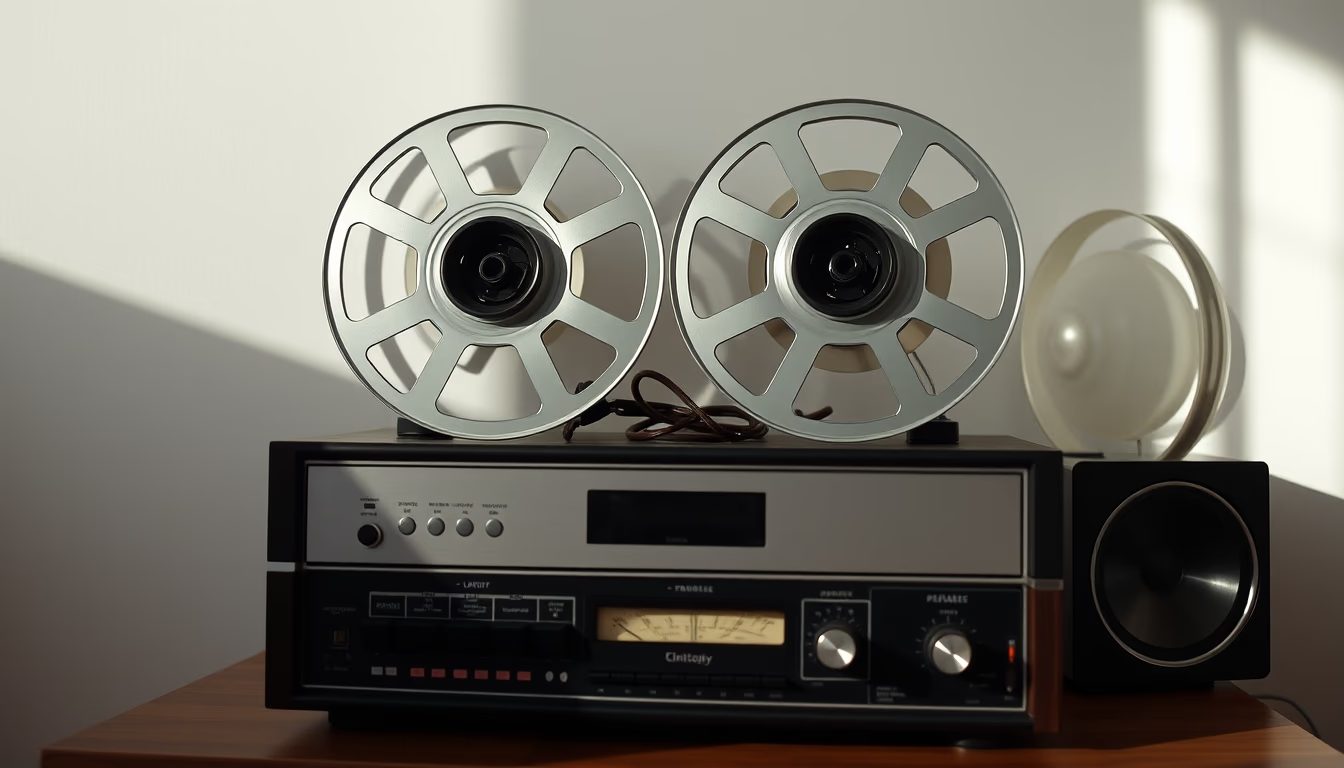
Reel to reel tape player
1344×768 · AVIF · CC BY 4.0
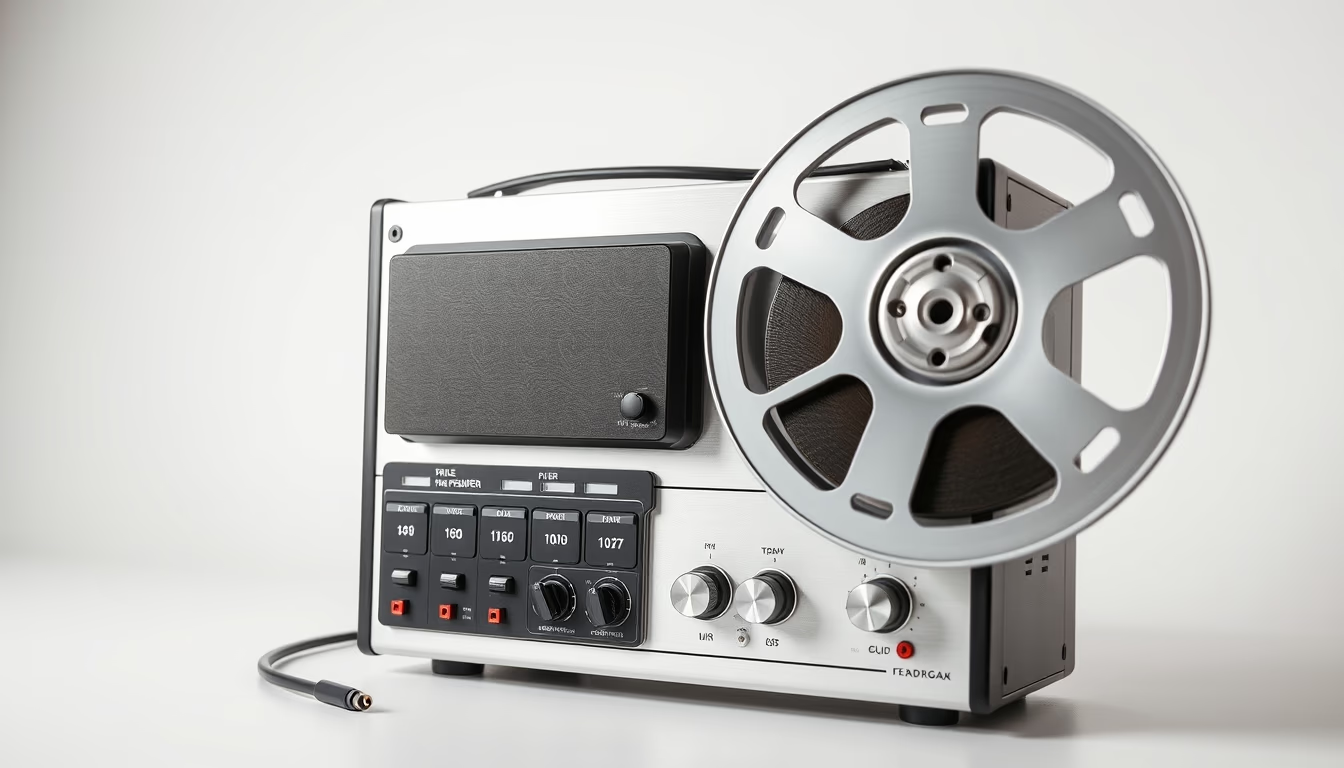
The reel-to-reel tape recorder was the professional audio standard for decades, offering superior fidelity compared to compact formats.
About this subject
The reel-to-reel tape recorder, also known as open-reel tape recorder, was the primary medium for analog audio recording and playback from its invention in the 1930s until the late 1980s. Initially developed by AEG in Germany and perfected by companies such as Ampex, Revox, and Studer, it used 1/4-inch magnetic tape wound on reels. Unlike compact cassettes, open reels allowed wider tape tracks and higher speeds (7.5 or 15 ips), resulting in extended frequency response and lower background noise.
In professional settings, reel-to-reel machines were essential in recording studios, broadcast radio, and film production. Their robust construction and precise transport mechanisms (capstan and pinch roller) ensured constant speed and low flutter. Iconic models like the Studer A80 and Revox PR99 became legendary for reliability and sound quality. For home use, machines such as the Akai GX-400D and Sony TC-630 popularized the format among audiophiles, who appreciated the ability to physically splice tape with scissors and adhesive tape.
A technical curiosity: magnetic tape recording relies on the orientation of iron oxide particles. Reel-to-reel machines offered adjustable bias and equalization to optimize performance for various tape formulations. Many models supported mono, stereo, or four-track recording. With the rise of CDs and digital audio, reel-to-reel declined commercially but survives as a cult format among collectors and nostalgic audio engineers. Today, original master tapes on reels are considered the gold standard for high-quality vinyl pressing.
Frequently Asked Questions
What is the difference between a reel-to-reel and a cassette recorder?
Reel-to-reel uses exposed tape reels, while the cassette encloses the tape. Reel-to-reel operates at higher speeds and wider tape tracks, offering better frequency response and lower noise, making it preferred in professional studios.
Why is reel-to-reel considered superior to vinyl?
Magnetic tape has a wider dynamic range and lower distortion than vinyl. It also allows multitrack recording and physical editing. However, vinyl is more durable and convenient for home use. Many audiophiles consider high-quality reel-to-reel playback superior to vinyl.
Are new reel-to-reel recorders still manufactured?
Yes, though rare. Companies like Ballfinger and Tape Machines produce modern, high-cost models. Most existing equipment is vintage, but there is active maintenance and restoration by enthusiasts.
Direct URL
https://pub-c7d6a6ea828543ac903a74a341ccb2e1.r2.dev/imagens/reel-to-reel-tape-player-commercial-product-photography-fresh1.avifHow to credit
Include a visible link back to UtilizAí. Copy one of the snippets below:
<a href="https://xn--utiliza-eza.com/en/midia/imagens/reel-to-reel-tape-player-commercial-product-photography-fresh1">Reel to reel tape player</a> by <a href="https://xn--utiliza-eza.com">UtilizAí</a>, licensed under <a href="https://creativecommons.org/licenses/by/4.0/">CC BY 4.0</a>.
[Reel to reel tape player](https://xn--utiliza-eza.com/en/midia/imagens/reel-to-reel-tape-player-commercial-product-photography-fresh1) by [UtilizAí](https://xn--utiliza-eza.com), CC BY 4.0
License: CC-BY-4.0