Red fort delhi
1344×768 · AVIF · CC BY 4.0
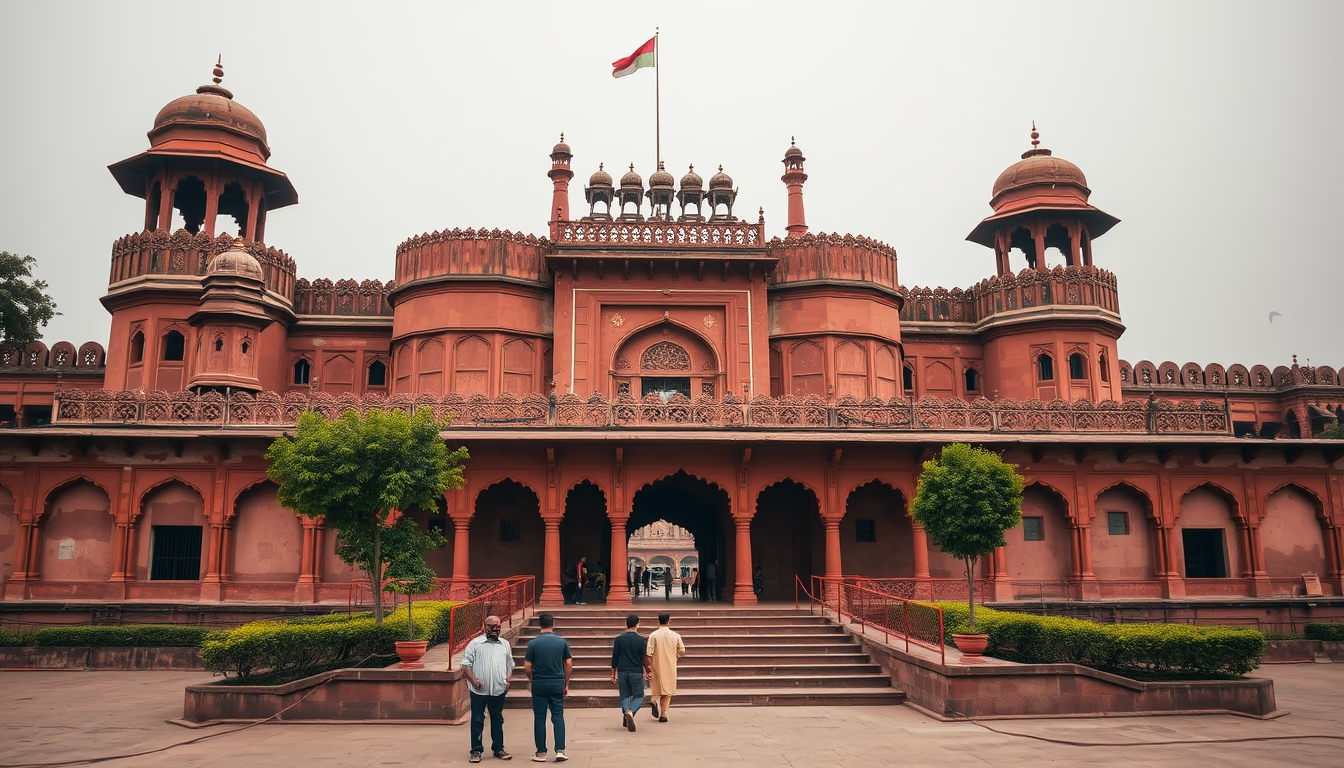
The Red Fort of Delhi, a UNESCO World Heritage site, symbolizes the sovereignty and rich history of the Mughal Empire in India.
About this subject
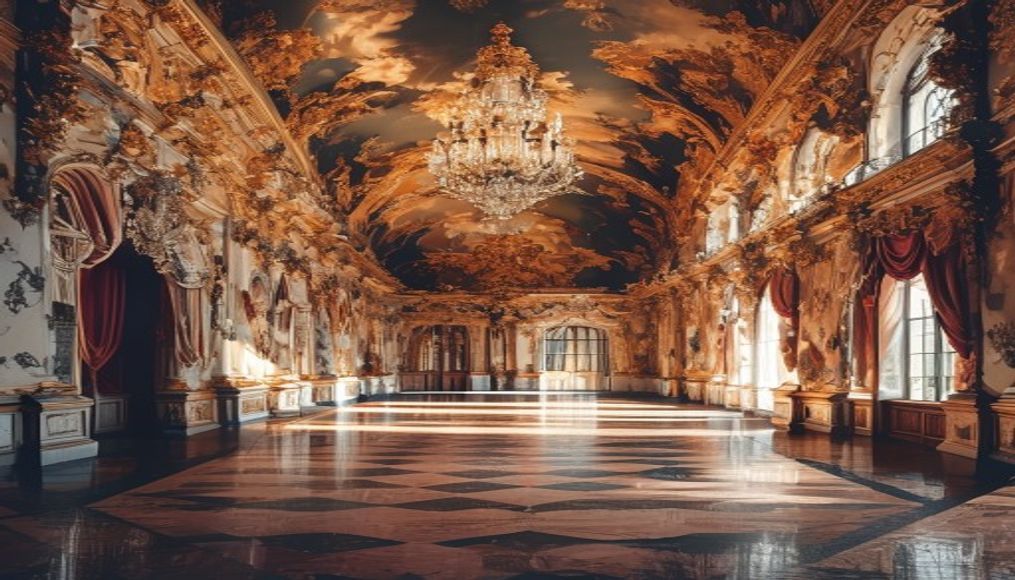
The Red Fort, or Lal Qila, is a historic fortress located in Shahjahanabad, the former capital of the Mughal emperor Shah Jahan. Built between 1638 and 1648, the fort served as the main residence of the Mughal emperors for about 200 years, until British colonization. Its imposing red sandstone walls, stretching over 2 kilometers, gave the monument its name. The fort houses palaces, audience halls, and gardens, such as the Diwan-i-Am and Diwan-i-Khas, where the legendary Peacock Throne once stood. The architecture blends Islamic, Persian, and Hindu elements, reflecting the cultural synthesis of the Mughal Empire.
The site holds immense historical and political significance. It was from the Red Fort that the last Mughal emperor, Bahadur Shah Zafar, was exiled by the British in 1857. After India's independence in 1947, Jawaharlal Nehru hoisted the Indian flag at the fort, and since then the Indian Prime Minister has delivered the annual Independence Day speech from its ramparts. The fort also witnessed events such as the trial of Indian National Army soldiers in 1945-1946.
In 2007, the Red Fort was declared a UNESCO World Heritage site. Despite its importance, the monument faces conservation challenges due to pollution and heavy tourism. Recent restoration projects and scenic lighting have been implemented to preserve its grandeur. The fort is one of the most visited tourist destinations in Delhi, attracting millions annually, who enjoy both its history and the nightly light-and-sound show narrating the Mughal saga.
Frequently Asked Questions
Who built the Red Fort in Delhi?
The Red Fort was built by the Mughal emperor Shah Jahan in the 17th century as part of his new capital Shahjahanabad.
Why is the Red Fort important for India's independence?
On Independence Day, August 15, 1947, Jawaharlal Nehru hoisted the Indian flag at the fort, and since then the Prime Minister delivers the annual speech from its ramparts.
What happened to the Peacock Throne at the fort?
The Peacock Throne, originally in the Diwan-i-Khas, was looted by the Persian invader Nadir Shah in 1739 and taken to Iran, where it was dismantled.
Direct URL
https://pub-c7d6a6ea828543ac903a74a341ccb2e1.r2.dev/imagens/red-fort-delhi-national-geographic-style-p9.avifHow to credit
Include a visible link back to UtilizAí. Copy one of the snippets below:
<a href="https://xn--utiliza-eza.com/en/midia/imagens/red-fort-delhi-national-geographic-style-p9">Red fort delhi</a> by <a href="https://xn--utiliza-eza.com">UtilizAí</a>, licensed under <a href="https://creativecommons.org/licenses/by/4.0/">CC BY 4.0</a>.
[Red fort delhi](https://xn--utiliza-eza.com/en/midia/imagens/red-fort-delhi-national-geographic-style-p9) by [UtilizAí](https://xn--utiliza-eza.com), CC BY 4.0
License: CC-BY-4.0