Red fort delhi
1344×768 · AVIF · CC BY 4.0
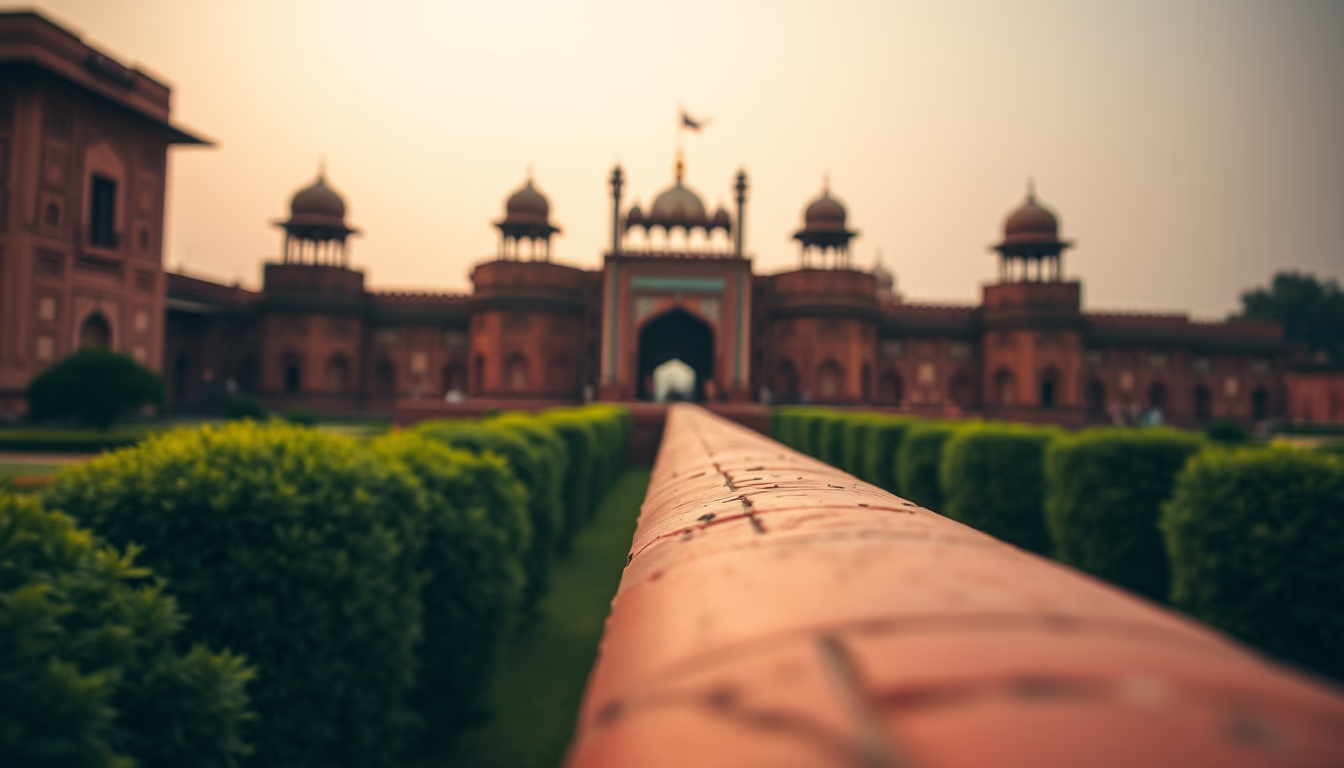
Delhi's Red Fort, built by Emperor Shah Jahan in the 17th century, stands as a symbol of Indian sovereignty and a UNESCO World Heritage Site.
About this subject
The Red Fort (Lal Qila) is a historic fortress located in Shahjahanabad, the old walled city of Delhi. Built between 1638 and 1648 under Mughal emperor Shah Jahan, its name derives from the massive red sandstone walls that stretch over two kilometers. The fort was designed by architect Ustad Ahmad Lahauri, who also designed the Taj Mahal, and served as the imperial residence of the Mughals for nearly 200 years until the British conquest in 1857.
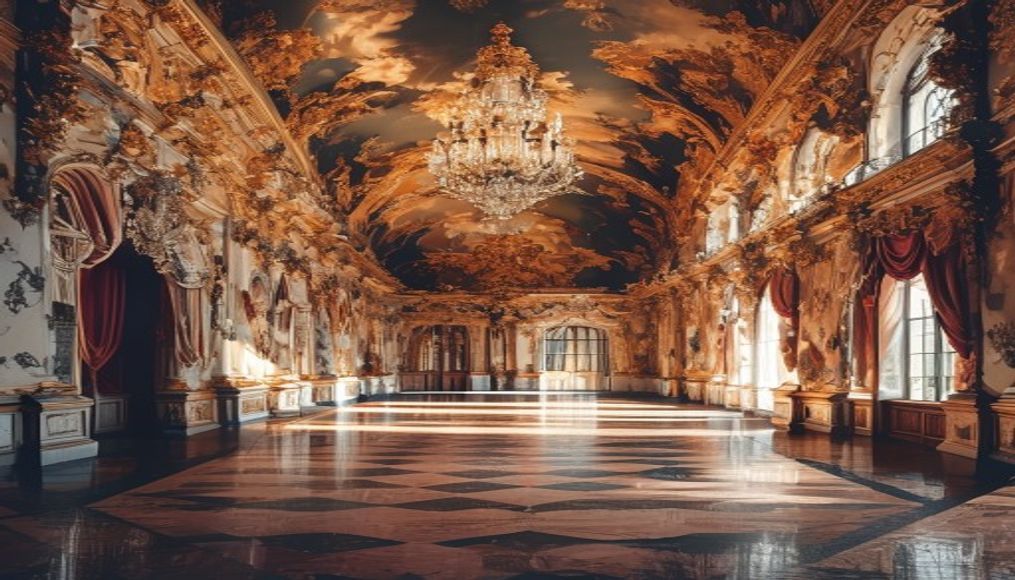
The complex houses remarkable structures such as the Diwan-i-Am (Hall of Public Audiences), the Diwan-i-Khas (Hall of Private Audiences), and the royal baths. The Diwan-i-Khas once contained the famous Peacock Throne, studded with jewels and precious stones, which was looted by Persian invaders in the 18th century. In 2007, the fort was declared a UNESCO World Heritage Site, recognizing its Mughal architecture that blends Persian, Timurid, and Hindu elements.
Every year on India's Independence Day (August 15), the Prime Minister hoists the national flag at the fort's main gate and delivers a speech broadcast live nationwide. This tradition dates back to 1947, when Jawaharlal Nehru first hoisted the flag. Despite suffering damage during the 1857 Rebellion, the Red Fort still retains its grandeur and attracts millions of visitors annually.
Interestingly, the fort featured an advanced water system for its time, with channels feeding fountains and gardens. It also houses the Red Fort Archaeological Museum, displaying Mughal artifacts including miniature paintings, weapons, and manuscripts. Restoration of the fort is an ongoing effort by the Archaeological Survey of India, aiming to preserve its masonry and frescoes against the effects of Delhi's urban pollution.
Frequently Asked Questions
Who built the Red Fort and when?
The Red Fort was built by Mughal emperor Shah Jahan between 1638 and 1648 as his new capital in Shahjahanabad.
Why is the Red Fort important for modern India?
Every August 15, Independence Day, the Indian Prime Minister hoists the national flag at the fort and delivers a speech, symbolizing the nation's sovereignty.
What does the name 'Lal Qila' mean?
Lal Qila means 'Red Fort' in Hindi, due to the color of the sandstone used in its walls.
Direct URL
https://pub-c7d6a6ea828543ac903a74a341ccb2e1.r2.dev/imagens/red-fort-delhi-macro-closeup-p3.avifHow to credit
Include a visible link back to UtilizAí. Copy one of the snippets below:
<a href="https://xn--utiliza-eza.com/en/midia/imagens/red-fort-delhi-macro-closeup-p3">Red fort delhi</a> by <a href="https://xn--utiliza-eza.com">UtilizAí</a>, licensed under <a href="https://creativecommons.org/licenses/by/4.0/">CC BY 4.0</a>.
[Red fort delhi](https://xn--utiliza-eza.com/en/midia/imagens/red-fort-delhi-macro-closeup-p3) by [UtilizAí](https://xn--utiliza-eza.com), CC BY 4.0
License: CC-BY-4.0