Red blood cells flowing
1344×768 · AVIF · CC BY 4.0
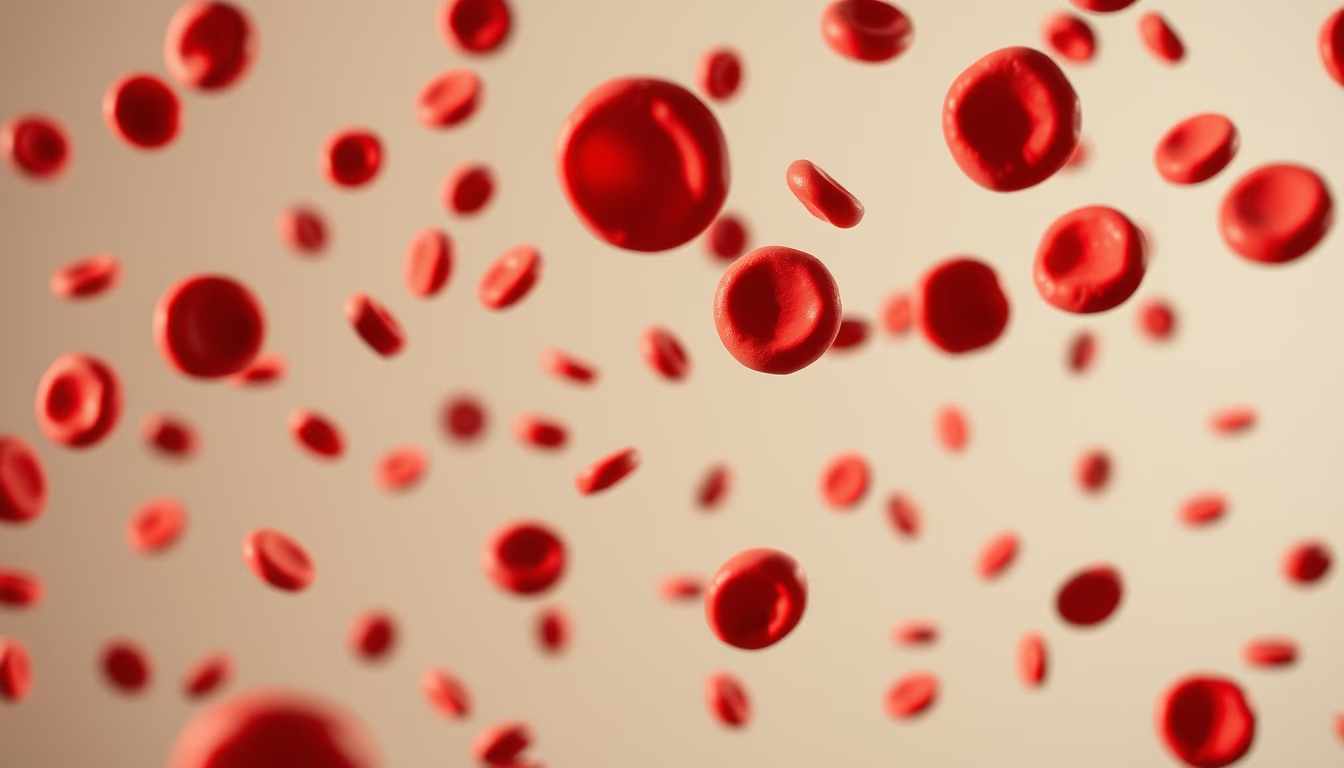
Red blood cells, also known as erythrocytes, are the most abundant cells in human blood, responsible for transporting oxygen from the lungs to all body tissues.
About this subject
Red blood cells, or erythrocytes, are blood cells specialized in oxygen transport. In mammals, they are anucleate and biconcave in shape, which increases surface area for gas exchange. Each erythrocyte contains about 270 million hemoglobin molecules, an iron-rich protein that binds to oxygen in the lungs and releases it in tissues.
These cells are produced in the bone marrow from hematopoietic stem cells through a process called erythropoiesis. The average lifespan of a red blood cell is approximately 120 days, after which they are degraded in the spleen and liver. The human body maintains about 25 trillion circulating erythrocytes, and every second about 2 million new ones are produced.
The importance of red blood cells is vital: without them, oxygen would not reach tissues, leading to rapid cell death. Disorders such as iron deficiency anemia reduce oxygen-carrying capacity, causing fatigue and pallor. Sickle cell disease is a genetic disorder where abnormal hemoglobin makes cells sickle-shaped, blocking vessels and causing severe pain.
Interestingly, the red color of blood is due to oxygenated hemoglobin. When deoxygenated, blood has a darker tone, visible in superficial veins. Under low-oxygen conditions, such as high altitudes, the body increases red blood cell production to compensate, a phenomenon observed in Andean populations and mountaineers.
Frequently Asked Questions
What gives red blood cells their red color?
The red color comes from hemoglobin, an iron-containing protein. When iron binds to oxygen, blood turns bright red; when deoxygenated, it becomes darker.
How long does a red blood cell live?
Approximately 120 days. After that, they are removed from circulation by the spleen and liver, and their components are recycled.
What causes sickle cell disease?
Sickle cell disease is a genetic disorder caused by a mutation in the hemoglobin gene, producing abnormal hemoglobin (HbS). This makes red blood cells become sickle-shaped, hindering passage through vessels and causing pain and complications.
Direct URL
https://pub-c7d6a6ea828543ac903a74a341ccb2e1.r2.dev/imagens/red-blood-cells-flowing-minimalist-composition-p1.avifHow to credit
Include a visible link back to UtilizAí. Copy one of the snippets below:
<a href="https://xn--utiliza-eza.com/en/midia/imagens/red-blood-cells-flowing-minimalist-composition-p1">Red blood cells flowing</a> by <a href="https://xn--utiliza-eza.com">UtilizAí</a>, licensed under <a href="https://creativecommons.org/licenses/by/4.0/">CC BY 4.0</a>.
[Red blood cells flowing](https://xn--utiliza-eza.com/en/midia/imagens/red-blood-cells-flowing-minimalist-composition-p1) by [UtilizAí](https://xn--utiliza-eza.com), CC BY 4.0
License: CC-BY-4.0