Recording booth red light
1344×768 · AVIF · CC BY 4.0
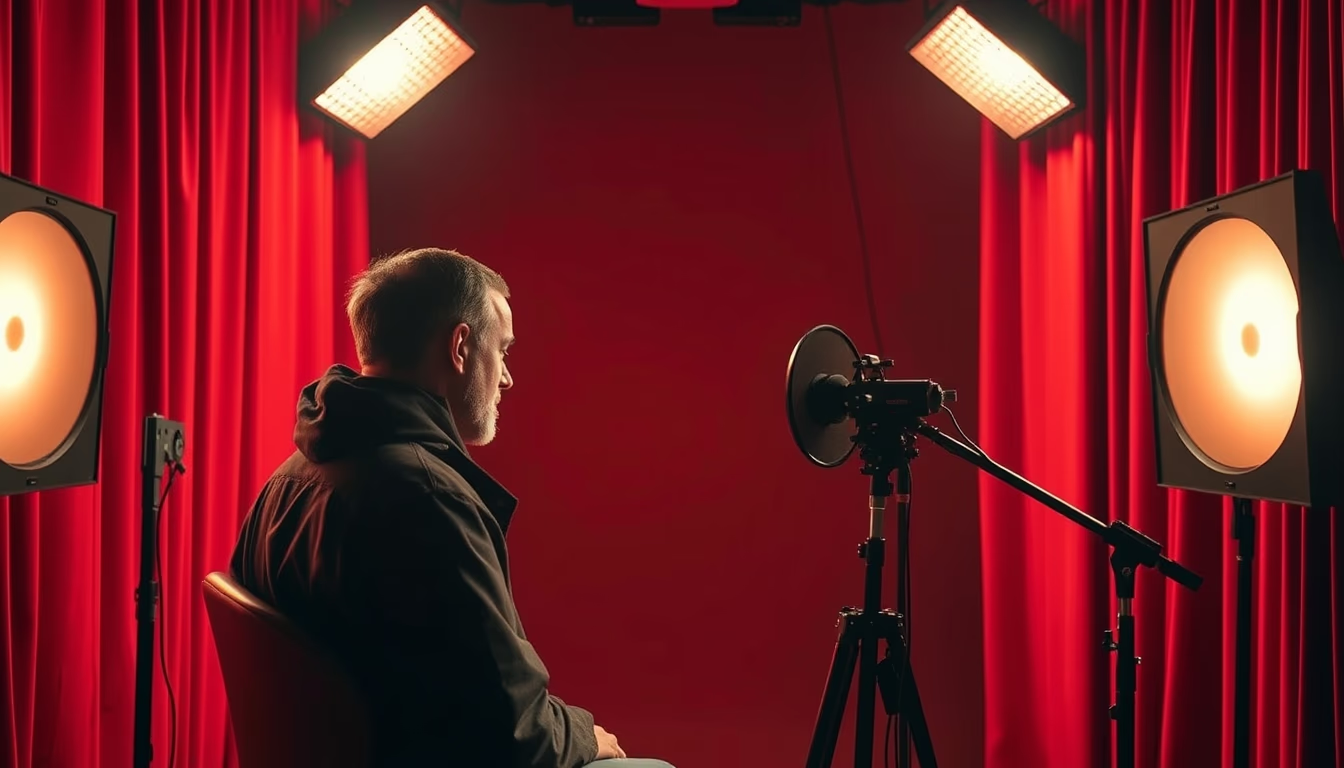
The red light in a recording booth signals that the microphone is live, marking the start of a professional studio session.
About this subject
The red recording light is an iconic symbol of the music and audio production process. Its origins trace back to the early days of radio broadcasting and magnetic tape recording, when a clear visual signal was needed to indicate that equipment was active and capturing sound. In legendary studios like Abbey Road in London or Sun Studio in Memphis, the red light became a milestone: when it turned on, it meant musicians were on air or being recorded, creating an atmosphere of focus and urgency.
Technically, the red light serves to alert everyone in the studio that recording is in progress, preventing accidental noise such as doors slamming or side conversations. Many studios use a color-coded system: green for ready (but not recording) and red for active recording. This standardization helps sound engineers, producers, and musicians coordinate without relying solely on verbal communication.
Culturally, the red light has transcended its technical function to become a symbol of creativity and performance. For many artists, seeing it light up is a psychological trigger that puts them in a “live” state, enhancing emotional delivery. In music documentaries and films, a close-up of the red light is a narrative device to indicate that the magic is happening. Even in home studios and podcast setups, the concept persists, often replicated by software that shows a red indicator on screen.
Interestingly, not all studios use red: some opt for blue or yellow for aesthetic or branding reasons. However, the tradition of the “red light” remains so strong that it has become jargon: “the red light is on” means the session has started. By 2026, with advances in remote recording and artificial intelligence, physical lights may give way to digital indicators, but their historical and emotional significance continues to resonate among music professionals and enthusiasts.
Frequently Asked Questions
Why is a red light used in recording studios?
The red light indicates that recording is active, alerting everyone to avoid noise. Traditionally, red is associated with attention and danger, serving as a universal 'do not disturb' signal during audio capture.
What is the origin of the recording red light?
It originated in early radio and tape recording studios, where a red lamp was wired to the microphone circuit to visually signal that the equipment was on and recording.
Is the red light still used in modern studios?
Yes, many professional studios keep physical or digital red lights. In home setups, DAW software displays a red indicator on screen, perpetuating the concept.
Direct URL
https://pub-c7d6a6ea828543ac903a74a341ccb2e1.r2.dev/imagens/recording-booth-red-light-national-geographic-style-p3.avifHow to credit
Include a visible link back to UtilizAí. Copy one of the snippets below:
<a href="https://xn--utiliza-eza.com/en/midia/imagens/recording-booth-red-light-national-geographic-style-p3">Recording booth red light</a> by <a href="https://xn--utiliza-eza.com">UtilizAí</a>, licensed under <a href="https://creativecommons.org/licenses/by/4.0/">CC BY 4.0</a>.
[Recording booth red light](https://xn--utiliza-eza.com/en/midia/imagens/recording-booth-red-light-national-geographic-style-p3) by [UtilizAí](https://xn--utiliza-eza.com), CC BY 4.0
License: CC-BY-4.0