Rare plant nursery
1344×768 · AVIF · CC BY 4.0
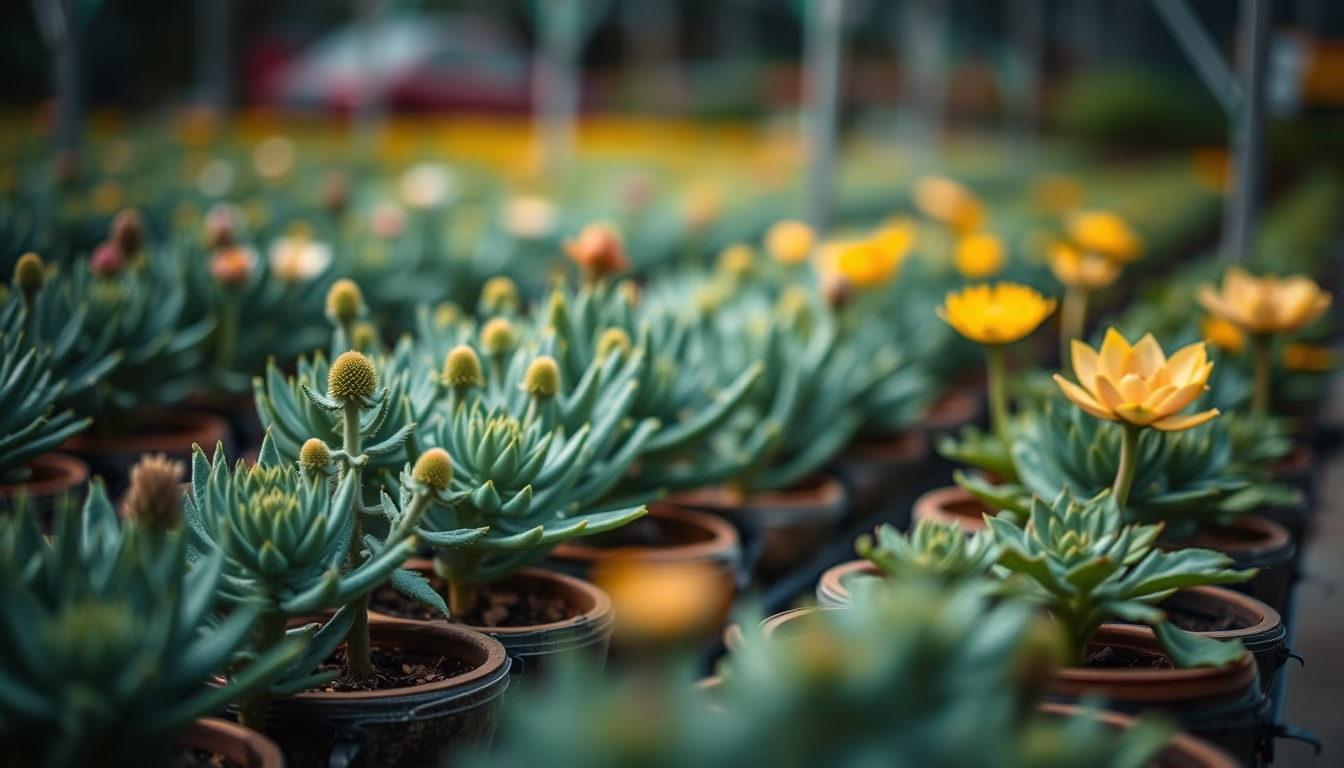
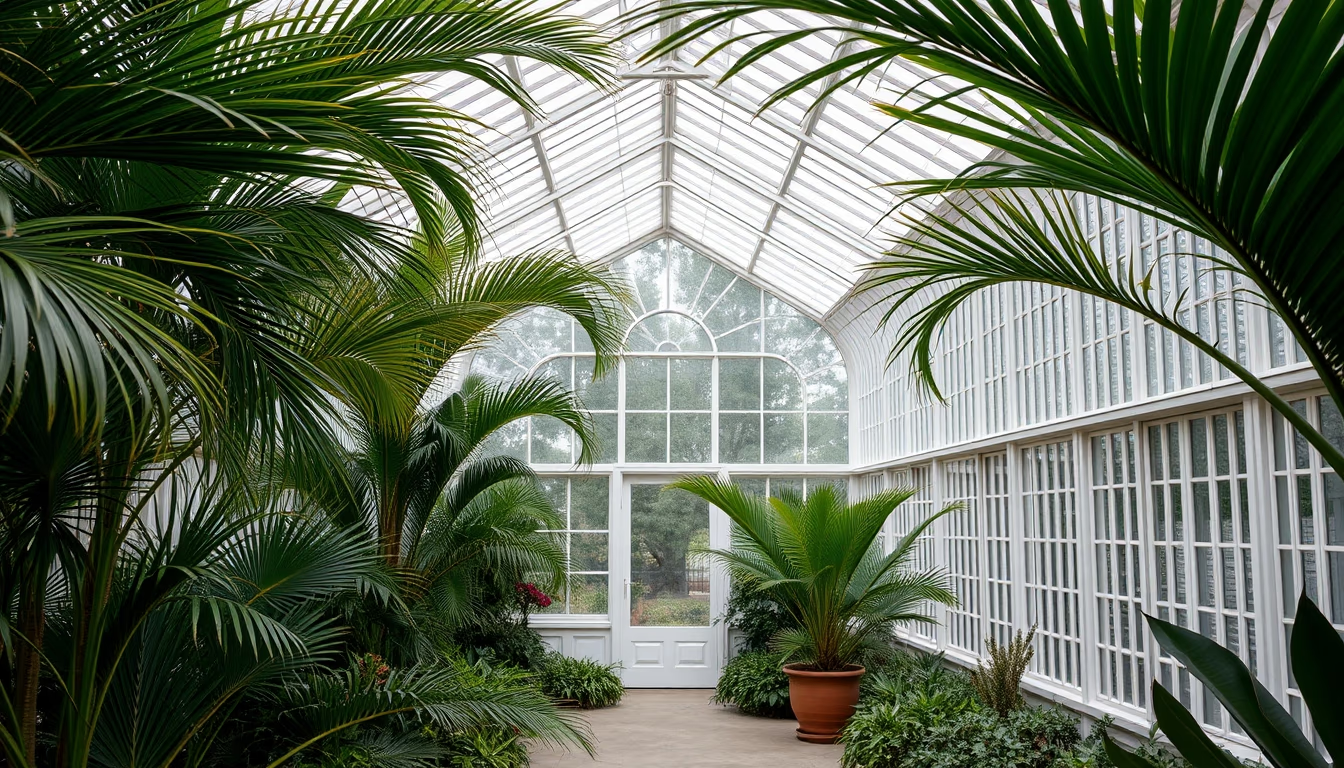
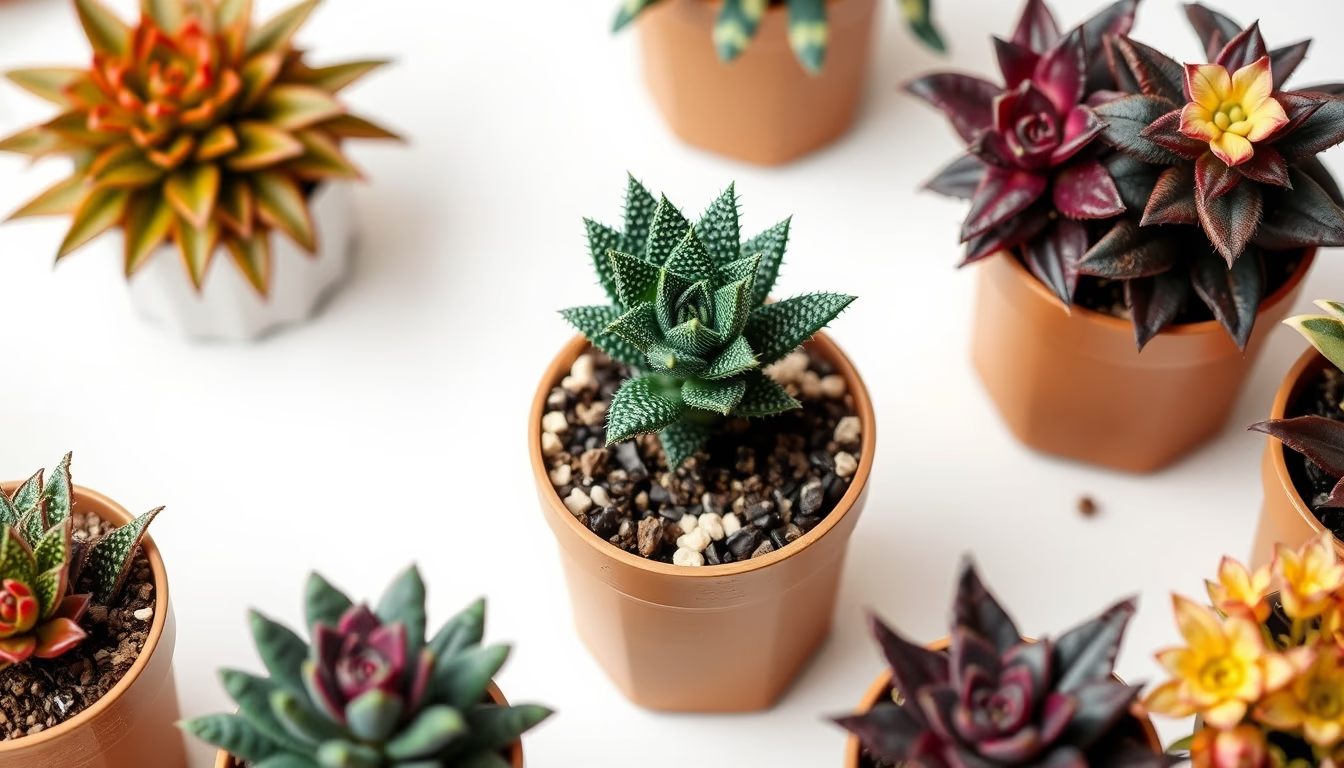
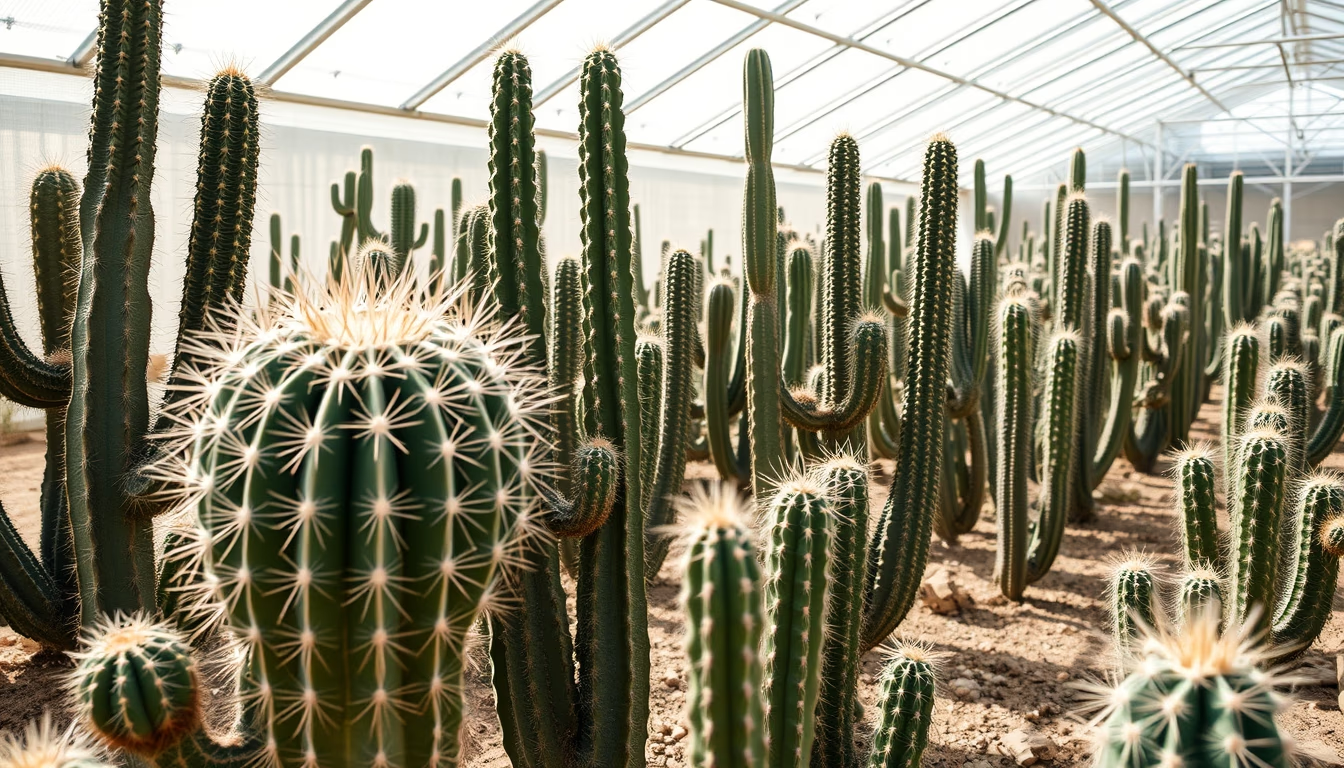
Rare plant nurseries are crucial for conserving endangered species, employing techniques like micropropagation and in vitro cultivation to preserve biodiversity.
About this subject
Rare plant nurseries play a critical role in global biodiversity conservation. These specialized facilities cultivate endangered species, often endemic to specific regions, such as the black orchid (Maxillaria nigrescens) from the Amazon or the Brazilian cocos palm (Butia capitata) from the Cerrado. Propagating these plants requires advanced methods like micropropagation, which allows cloning thousands of seedlings from a single tissue fragment under sterile conditions.
The importance of these nurseries extends beyond seedling production for reforestation. They act as living gene banks, preserving varieties that may hold genes useful for agriculture or medicine. In Brazil, the Rio de Janeiro Botanical Garden maintains a rare plant nursery focused on Atlantic Forest species like brazilwood (Paubrasilia echinata) and sassafras (Ocotea odorifera). These plants are multiplied for reintroduction into degraded areas.
Cultivating rare plants faces challenges such as low germination rates and disease susceptibility. Tissue culture techniques and strict environmental controls increase success rates. Nurseries also collaborate with local communities for sustainable management, as seen with the Brazil nut tree (Bertholletia excelsa), whose seedlings are distributed in Amazon restoration projects. The demand for rare ornamental plants drives legal trade but requires oversight to prevent wildlife trafficking.
Interestingly, some rare plant nurseries function as research centers, testing substrates and hormones to optimize growth. Automated greenhouses and misting systems replicate ideal conditions. Globally, the Convention on Biological Diversity encourages nurseries as ex situ conservation strategies, ensuring that endangered species survive despite habitat loss.
Frequently Asked Questions
What is a rare plant nursery?
It is a specialized facility for propagating and cultivating endangered or narrowly distributed plant species. It uses techniques like micropropagation and tissue culture to multiply plants under controlled conditions.
How are rare plants propagated in these nurseries?
Common methods include seeds, cuttings, and tissue culture. Micropropagation can clone thousands of seedlings from small tissue fragments, ensuring genetic uniformity and disease-free stock.
Why are rare plant nurseries important for conservation?
They preserve genetic diversity, produce seedlings for ecological restoration, and prevent species extinction. They also supply plants for research and education, reducing pressure on wild populations.
Direct URL
https://pub-c7d6a6ea828543ac903a74a341ccb2e1.r2.dev/imagens/rare-plant-nursery-macro-closeup-fresh14.avifHow to credit
Include a visible link back to UtilizAí. Copy one of the snippets below:
<a href="https://xn--utiliza-eza.com/en/midia/imagens/rare-plant-nursery-macro-closeup-fresh14">Rare plant nursery</a> by <a href="https://xn--utiliza-eza.com">UtilizAí</a>, licensed under <a href="https://creativecommons.org/licenses/by/4.0/">CC BY 4.0</a>.
[Rare plant nursery](https://xn--utiliza-eza.com/en/midia/imagens/rare-plant-nursery-macro-closeup-fresh14) by [UtilizAí](https://xn--utiliza-eza.com), CC BY 4.0
License: CC-BY-4.0