Rare plant nursery
1344×768 · AVIF · CC BY 4.0
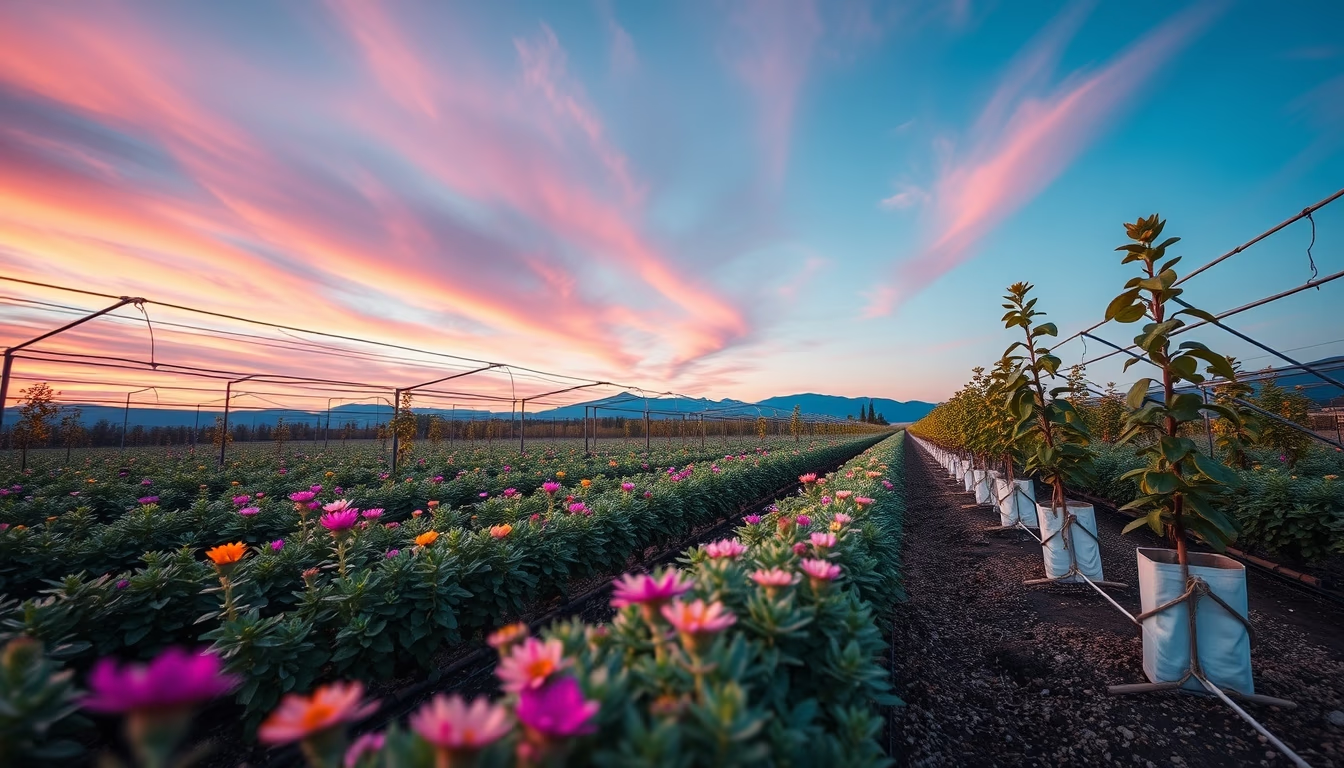
Rare plant nurseries play a crucial role in conserving global biodiversity by propagating threatened and endemic species for research and reintroduction.
About this subject
Specialized rare plant nurseries are dedicated to cultivating and preserving plant species that face extinction risk in the wild. Often linked to botanical gardens or universities, these nurseries maintain germplasm banks and conduct research on propagation techniques for threatened plants. For instance, the Rio de Janeiro Botanical Garden in Brazil runs a rare plant nursery for Atlantic Forest species, a biome that has lost over 80% of its original cover. Species such as the juçara palm (Euterpe edulis) and the pink silk floss tree (Ceiba speciosa) benefit from these programs.
Globally, rare plant nurseries are key to the Convention on Biological Diversity (CBD), which sets targets for ex situ conservation (outside natural habitats). Propagation of rare plants also serves ecological restoration and sustainable landscaping. For example, the nursery at Royal Botanic Gardens, Kew, in England, houses one of the world's largest collections of rare plants, including species from oceanic islands like the Saint Helena redwood (Trochetiopsis erythroxylon).
Cultivation techniques include cutting, tissue culture, and controlled seed germination, often using phytotrons and climate-controlled chambers. Careful management avoids unwanted hybridization and ensures genetic purity. Additionally, rare plant nurseries frequently collaborate with local communities to promote sustainable use of genetic resources, following access and benefit-sharing (ABS) principles under the Nagoya Protocol.
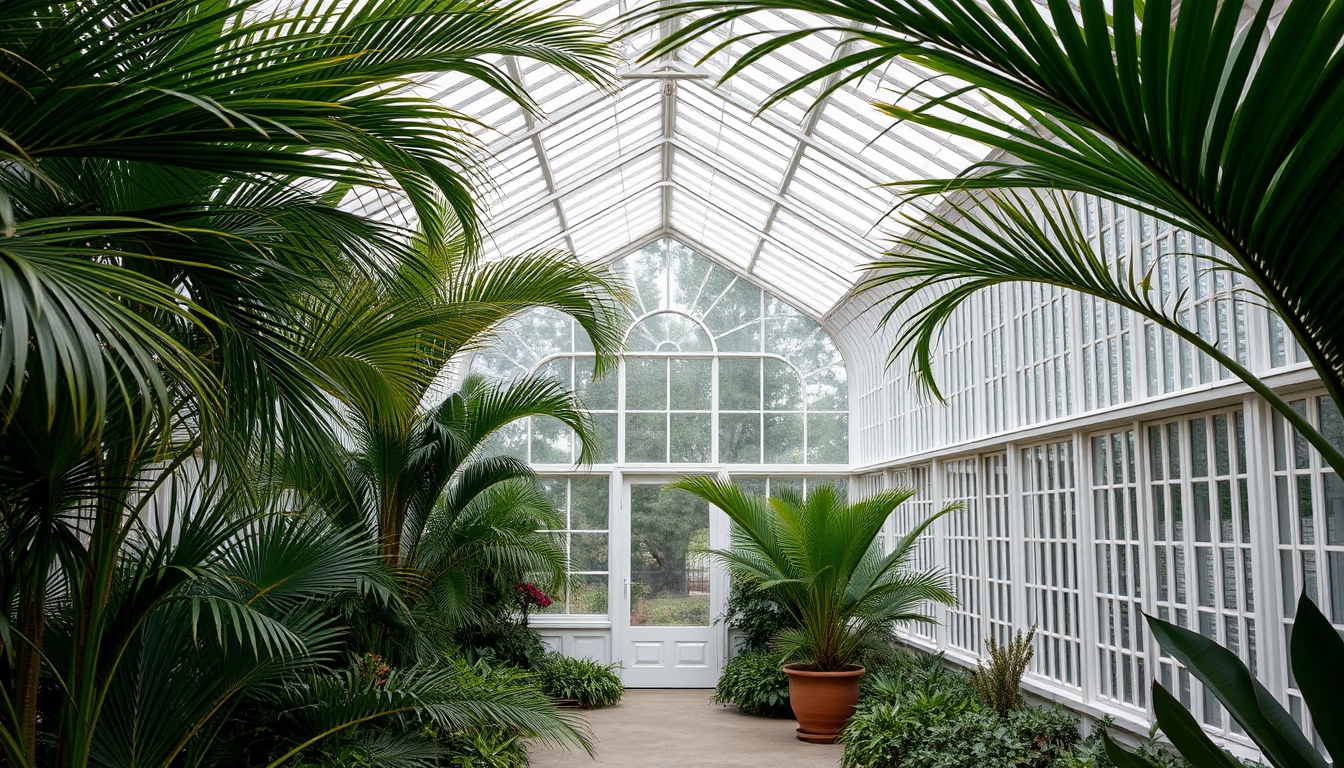
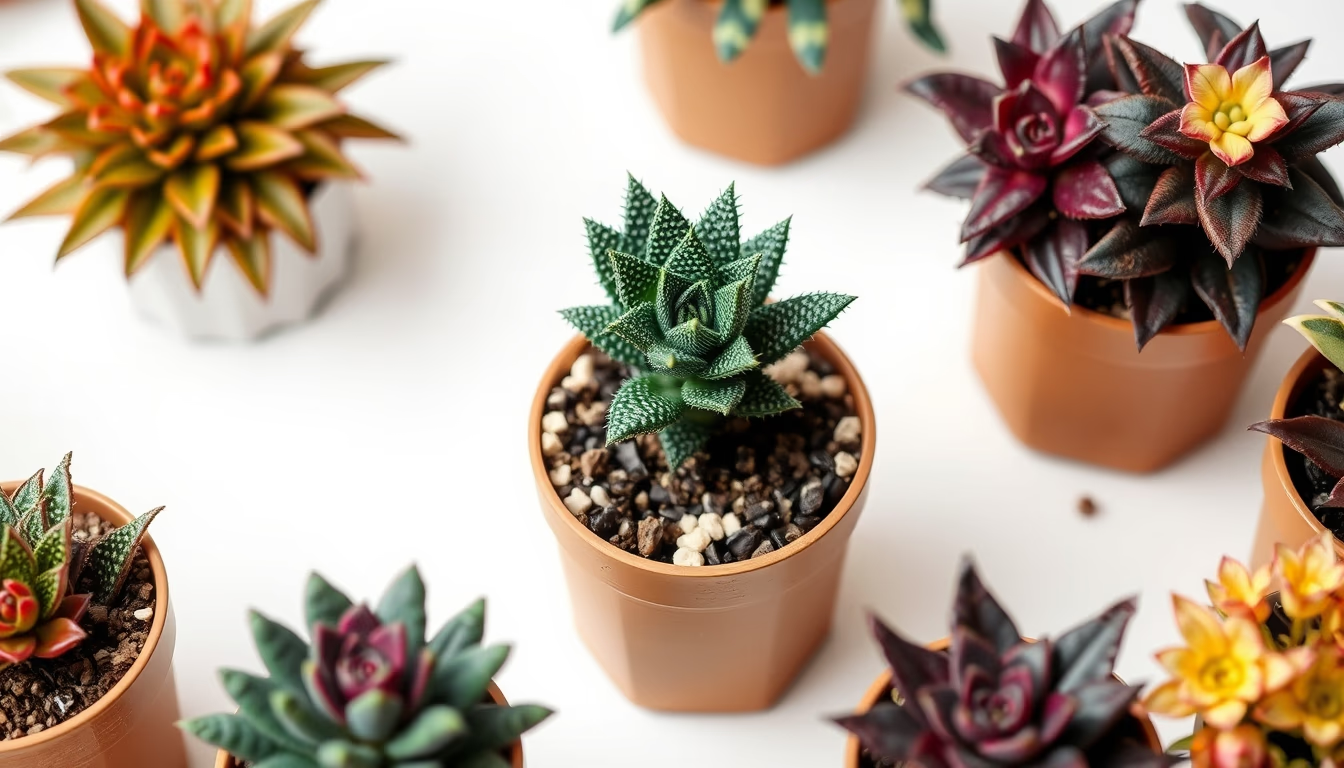
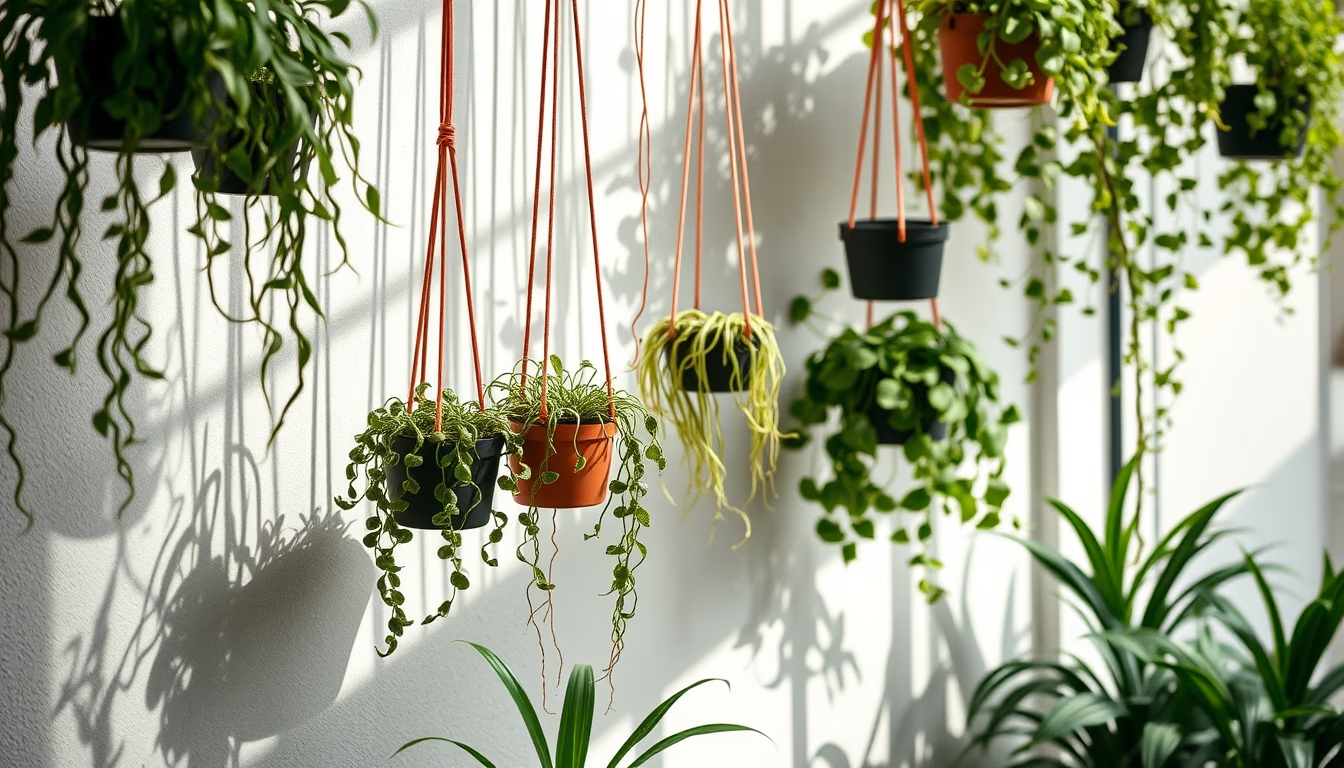
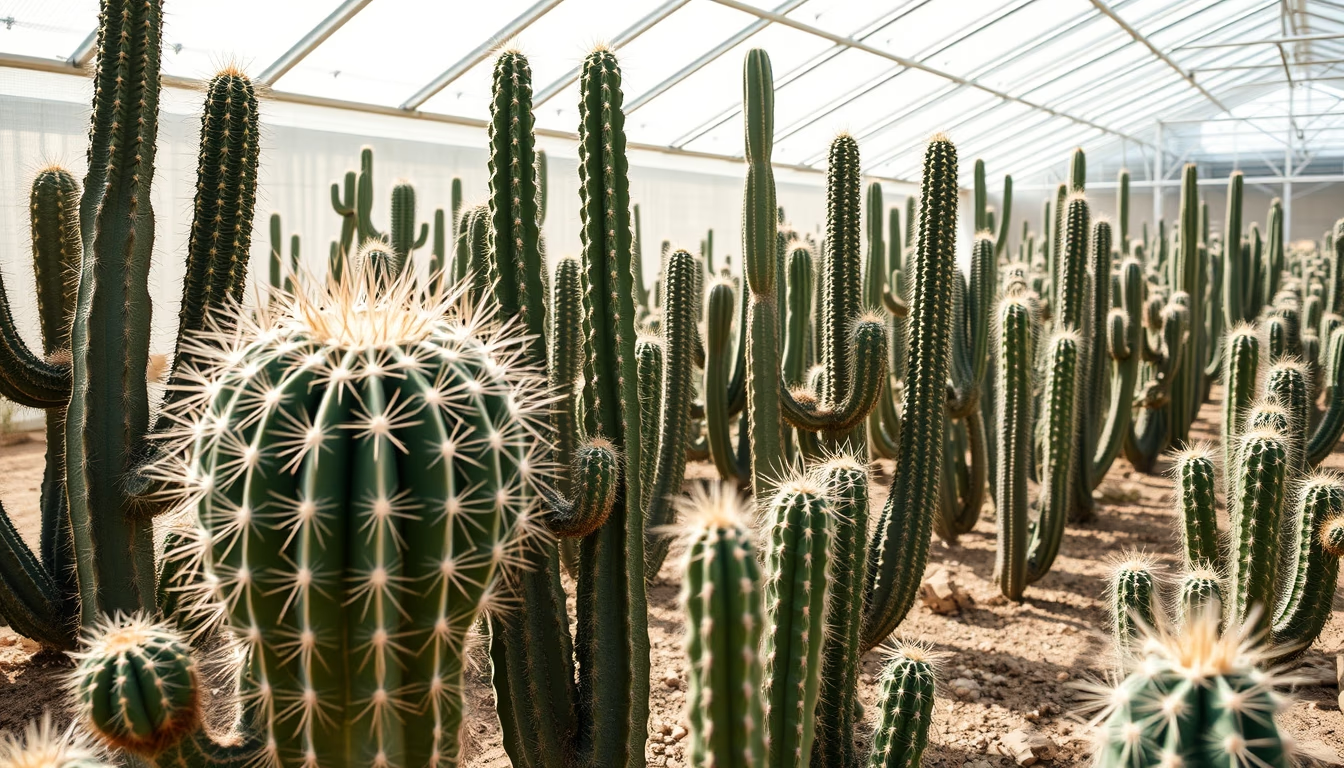
Trade in rare plants is regulated by CITES (Convention on International Trade in Endangered Species of Wild Fauna and Flora), requiring licenses for export and import. Certified nurseries can legally sell seedlings, helping to discourage illegal extraction. The long exposure used in the photograph highlights the serene and meticulous atmosphere of these places, where each specimen is treated with the attention its rarity deserves.
Frequently Asked Questions
What is a rare plant nursery?
It is a facility specialized in cultivating and conserving plant species that are endangered or have restricted geographic distributions, often linked to research or conservation institutions.
How can I legally acquire a rare plant?
Look for nurseries certified by environmental agencies with CITES permits for threatened species. Always request an invoice and proof of origin.
Why are rare plant nurseries important for conservation?
They maintain germplasm banks, conduct propagation research, and supply seedlings for reintroduction into natural habitats, helping to prevent species extinction.
Direct URL
https://pub-c7d6a6ea828543ac903a74a341ccb2e1.r2.dev/imagens/rare-plant-nursery-long-exposure-fresh5.avifHow to credit
Include a visible link back to UtilizAí. Copy one of the snippets below:
<a href="https://xn--utiliza-eza.com/en/midia/imagens/rare-plant-nursery-long-exposure-fresh5">Rare plant nursery</a> by <a href="https://xn--utiliza-eza.com">UtilizAí</a>, licensed under <a href="https://creativecommons.org/licenses/by/4.0/">CC BY 4.0</a>.
[Rare plant nursery](https://xn--utiliza-eza.com/en/midia/imagens/rare-plant-nursery-long-exposure-fresh5) by [UtilizAí](https://xn--utiliza-eza.com), CC BY 4.0
License: CC-BY-4.0