Rapier renaissance fencing
1344×768 · AVIF · CC BY 4.0
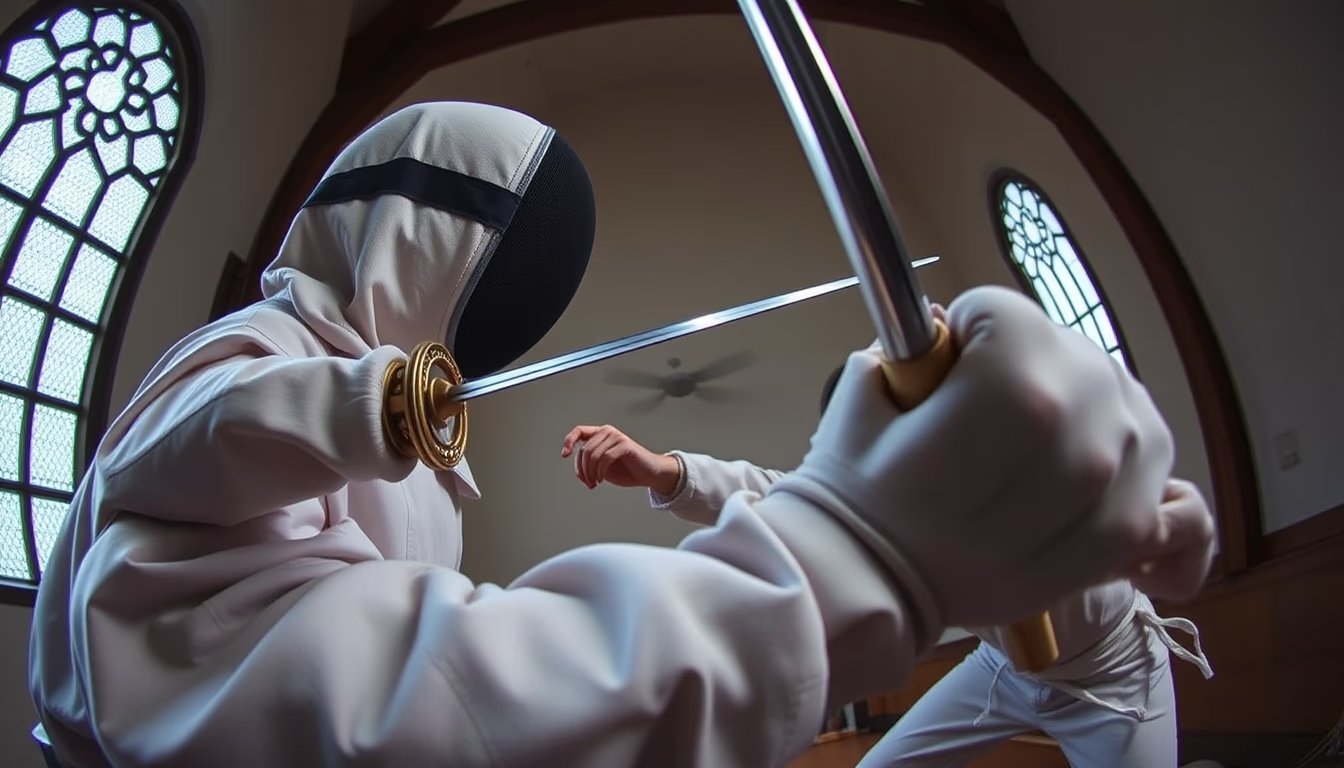
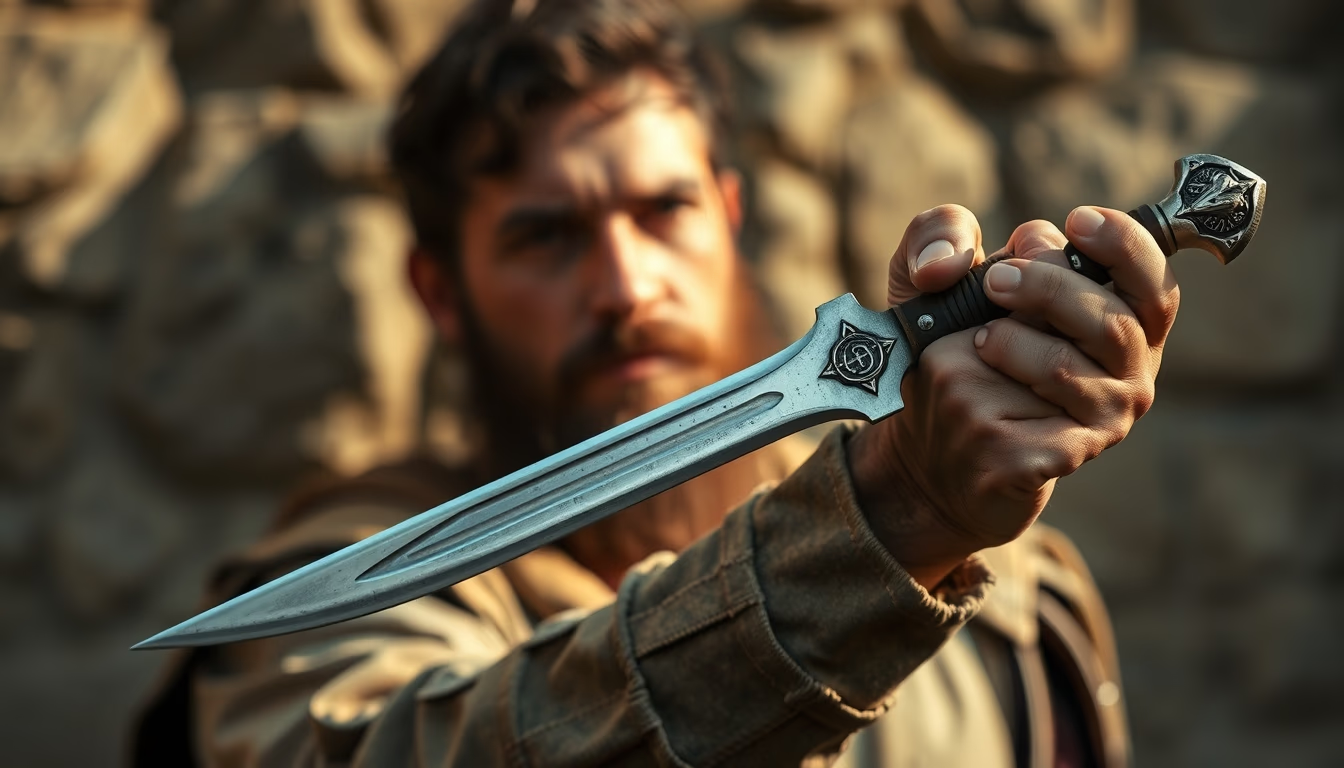
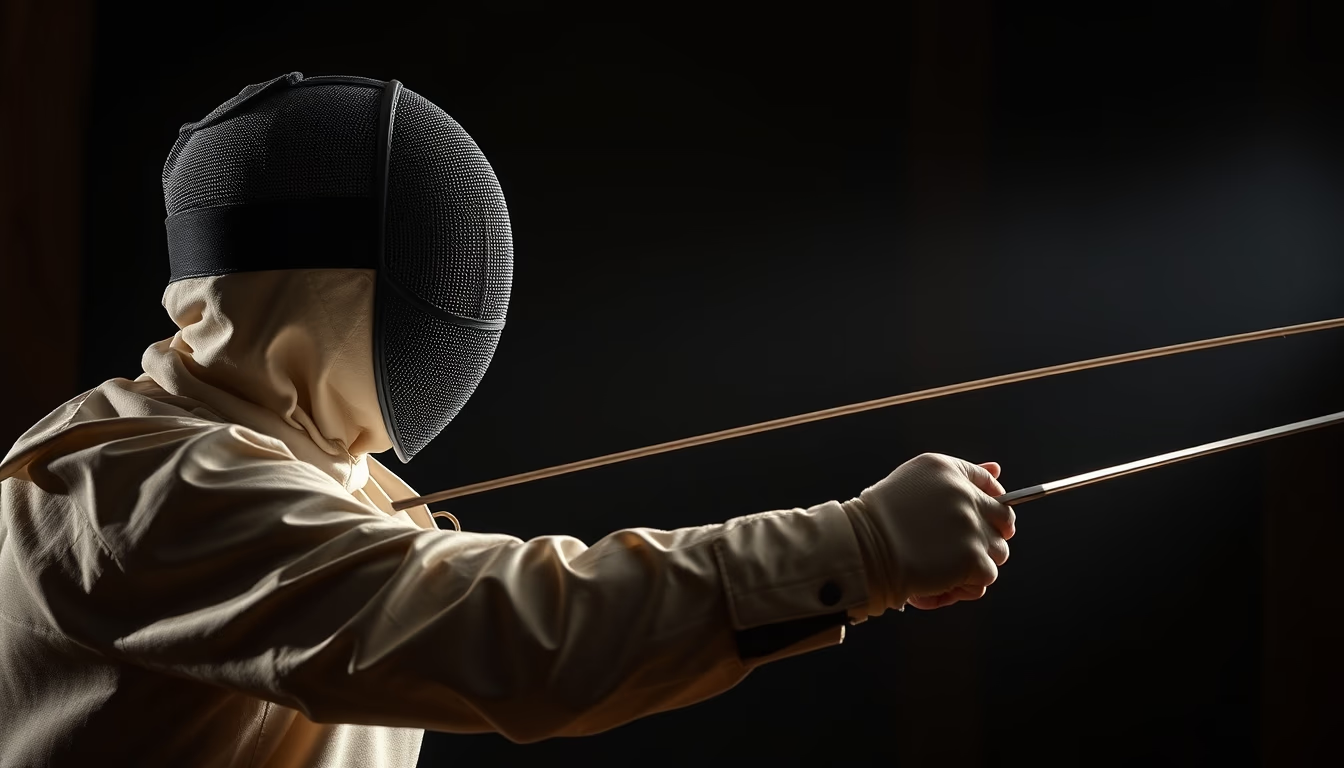
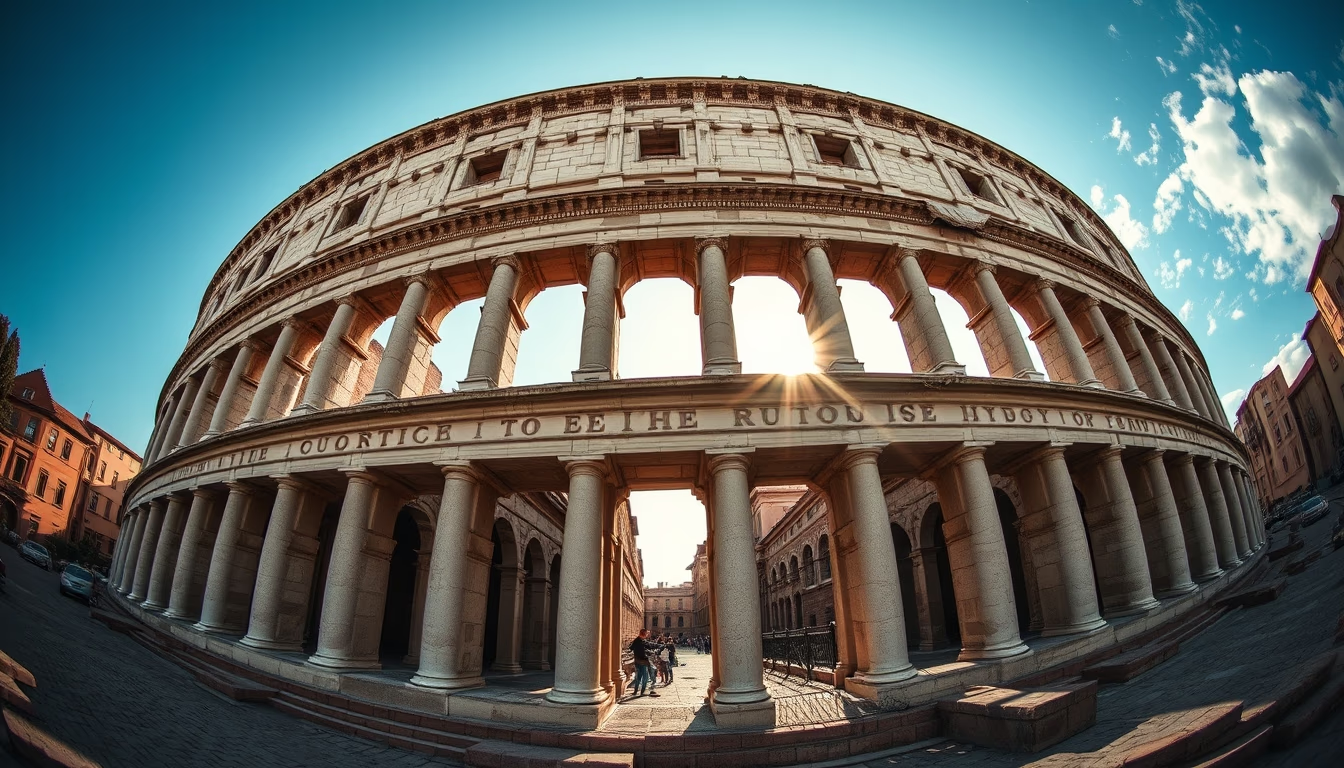
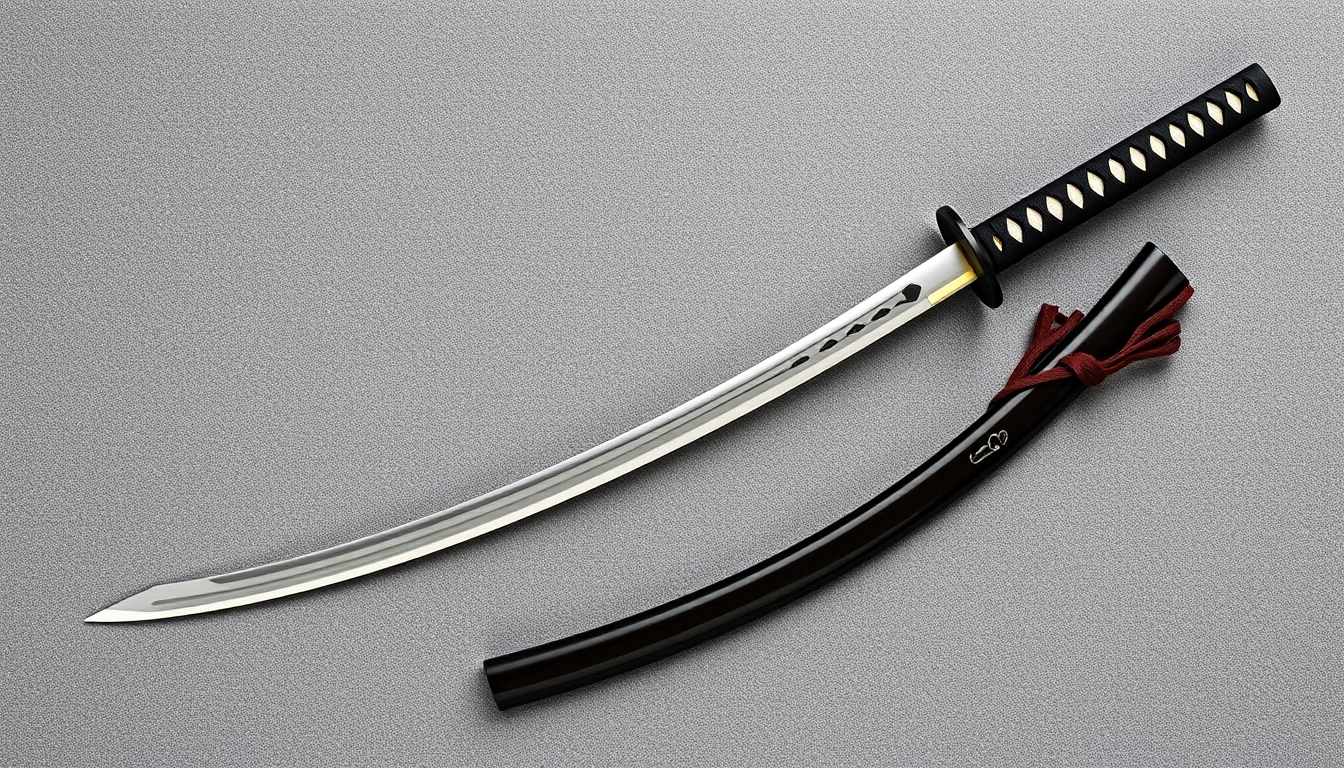
The rapier, a symbol of Renaissance fencing, combined elegance and lethality in duels and self-defense across 16th and 17th century Europe.
About this subject
The rapier is a long, slender-bladed sword, typically 1 to 1.2 meters in length, featuring an elaborate hilt that protects the hand. Originating in Spain and Italy around 1500, it replaced medieval broadswords in civilian contexts, designed primarily for thrusting though capable of cutting. Its weight ranged from 1 to 1.5 kg, requiring considerable skill from the wielder.
During the Renaissance, the rapier became the standard weapon for duels and self-defense among the nobility and urban bourgeoisie. It was often used in combination with a dagger (main-gauche) or a cloak, forming a versatile fighting system. Fencing treatises of the era, such as those by Ridolfo Capo Ferro (1610) and Salvator Fabris (1606), systematized techniques for attack, defense, and counterattack, influencing modern fencing.
Notably, the rapier was not used on the battlefield due to its relative fragility; its domain was the duel or street. Famous swordsmen like the fictional Cyrano de Bergerac immortalized the weapon in popular culture. By the late 17th century, the rapier gave way to the lighter smallsword and foil, which were more suited for the sport fencing emerging in European courts.
Frequently Asked Questions
What is the difference between a rapier and a medieval longsword?
The rapier has a thinner, longer blade focused on thrusting, whereas the medieval longsword is heavier and more cutting-oriented. The rapier also has a complex hilt and was used mainly for civilian duels, not battle.
How was the rapier used in combat?
The fencer typically held the rapier in the dominant hand and a dagger (main-gauche) or a cloak in the other. Techniques emphasized quick thrusts, disarms, and exploiting openings, as described in Renaissance fencing treatises.
What were the main Renaissance fencing schools?
The most notable are the Italian school (Capo Ferro, Fabris) and the Spanish school (destreza, with Pacheco de Narváez). The Italian school stressed timing and distance, while the Spanish used imaginary circles for defense and attack.
Direct URL
https://pub-c7d6a6ea828543ac903a74a341ccb2e1.r2.dev/imagens/rapier-renaissance-fencing-fish-eye-wide-angle-fresh15.avifHow to credit
Include a visible link back to UtilizAí. Copy one of the snippets below:
<a href="https://xn--utiliza-eza.com/en/midia/imagens/rapier-renaissance-fencing-fish-eye-wide-angle-fresh15">Rapier renaissance fencing</a> by <a href="https://xn--utiliza-eza.com">UtilizAí</a>, licensed under <a href="https://creativecommons.org/licenses/by/4.0/">CC BY 4.0</a>.
[Rapier renaissance fencing](https://xn--utiliza-eza.com/en/midia/imagens/rapier-renaissance-fencing-fish-eye-wide-angle-fresh15) by [UtilizAí](https://xn--utiliza-eza.com), CC BY 4.0
License: CC-BY-4.0