Rapier renaissance fencing
1344×768 · AVIF · CC BY 4.0
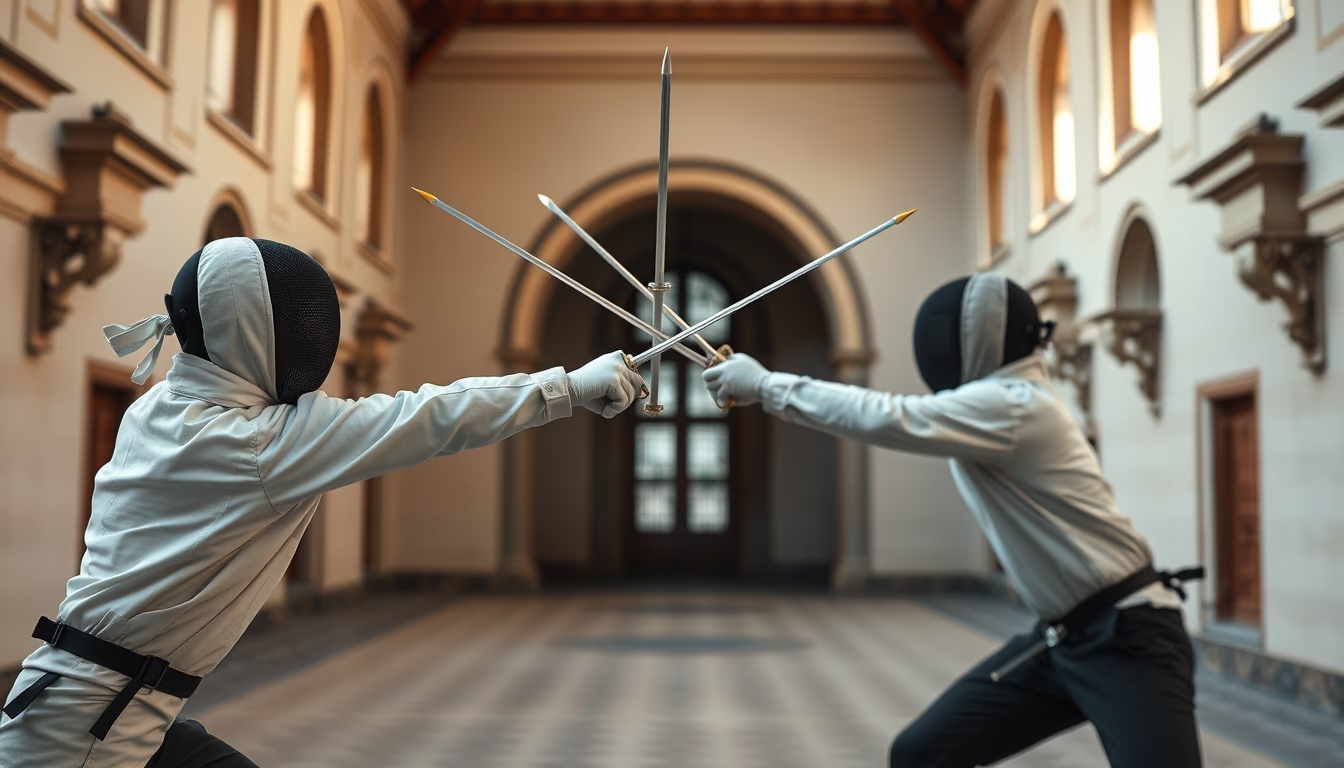
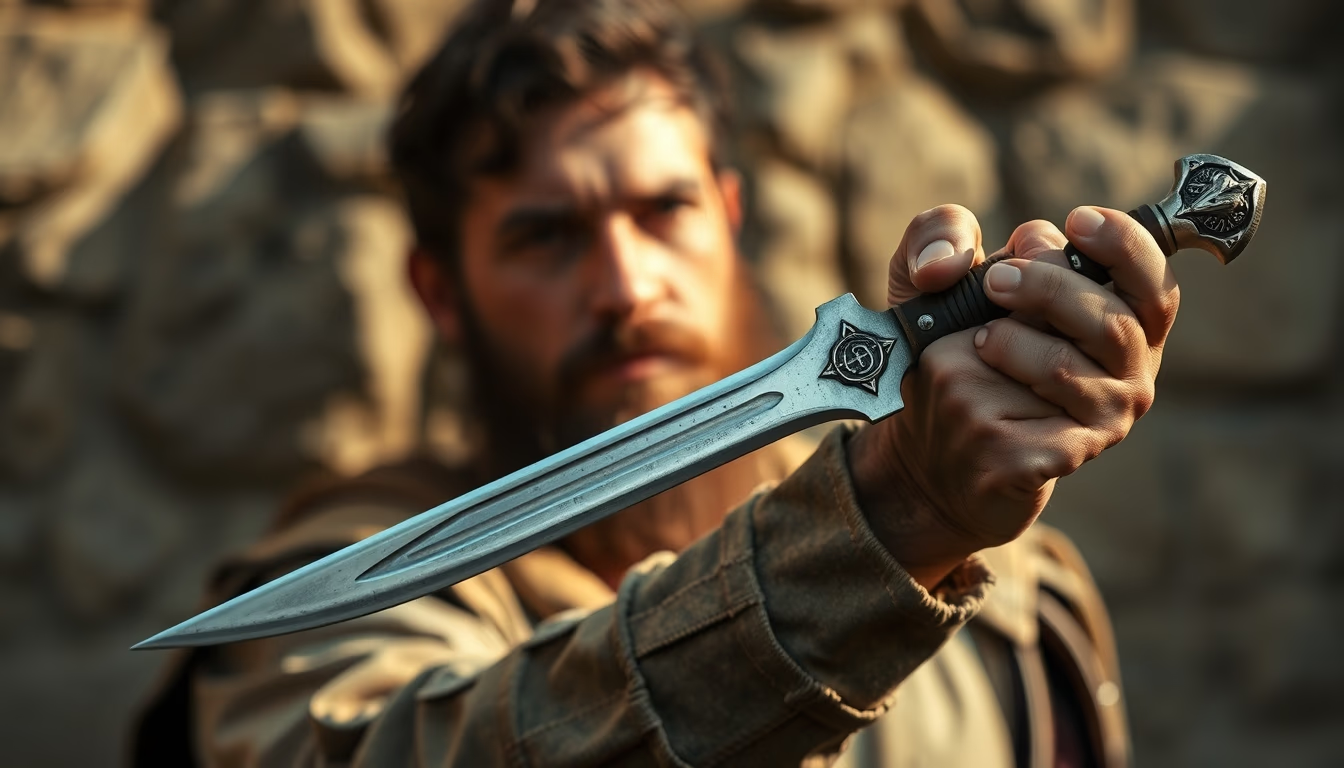
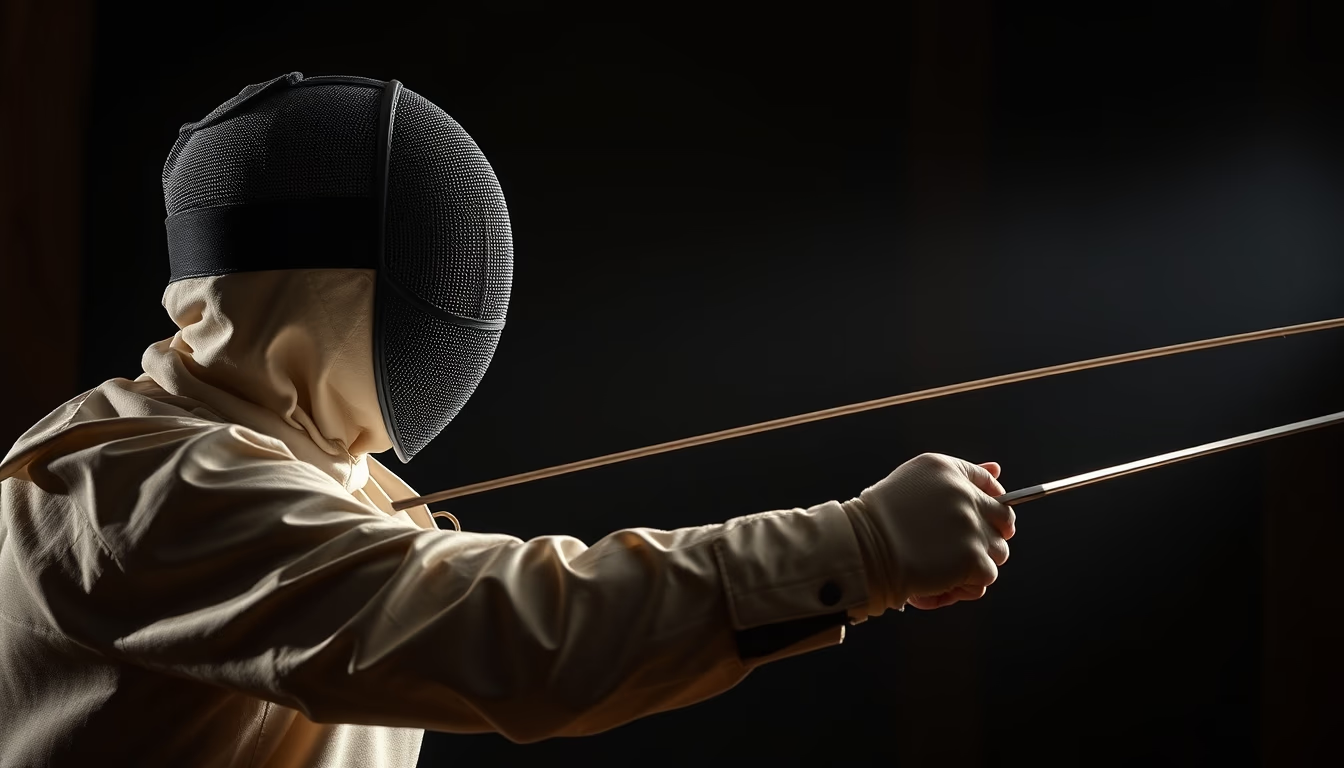
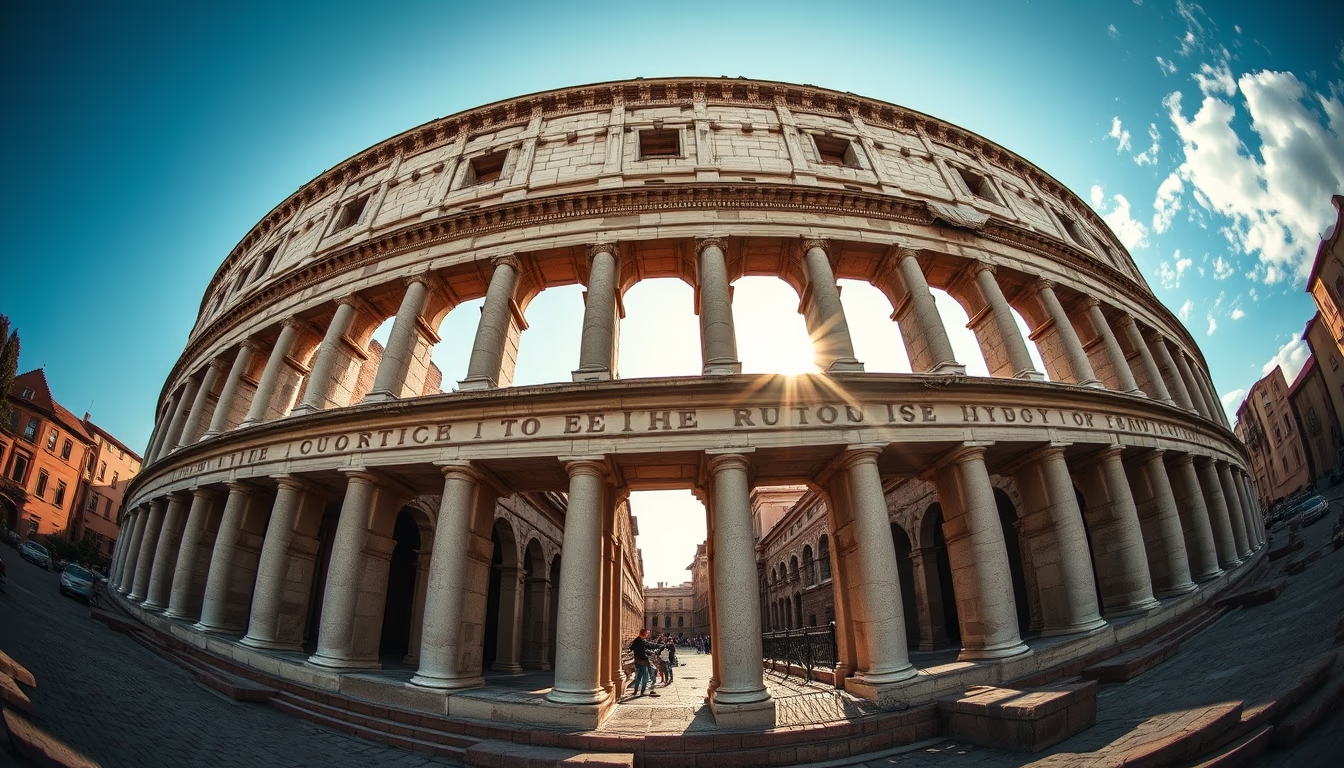
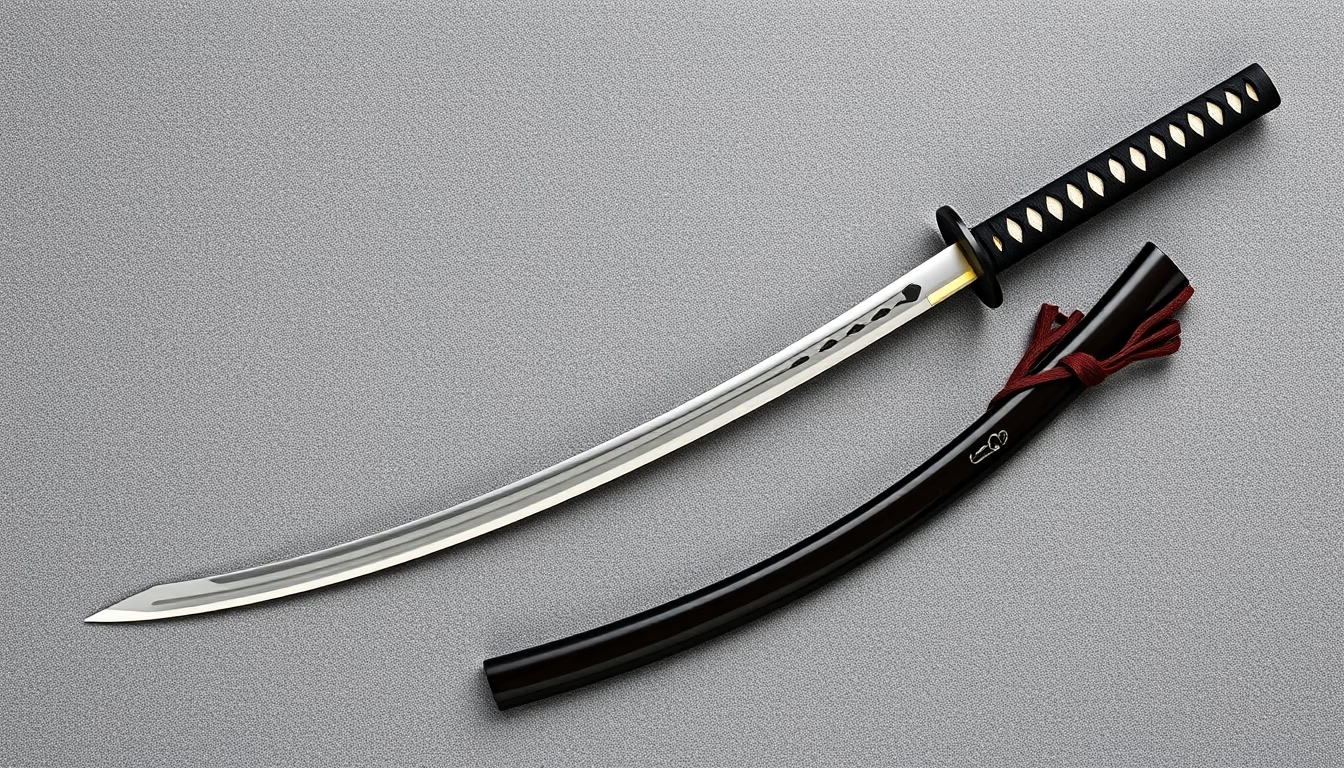
Rapier fencing during the Renaissance blended precise technique, honor, and science, defining the martial art of the 16th and 17th centuries.
About this subject
The rapier, a long and slender-bladed sword, dominated European battlefields and duels between 1500 and 1650. Unlike medieval swords designed for heavy cuts, the rapier was optimized for quick thrusts, reflecting the evolution of armor and combat tactics. Its use spread among nobility and bourgeoisie, becoming a symbol of status and refinement.
Renaissance fencing was systematized by Italian masters such as Fiore dei Liberi (15th century) and later Ridolfo Capoferro (1610), who published treatises detailing guards, footwork, and counterattacks. The Italian and Spanish schools stood out: the Italian valued circular moves, the Spanish emphasized straight lines and geometry. Training involved practice swords (foils) and protective masks.
Beyond technique, the rapier symbolized personal honor in an era of chivalric codes. Frequent duels required physical and mental preparation. The fencing master was a respected figure, often hired by noble families to educate their sons. The art influenced literature and theater, such as in Shakespeare's plays, which often featured rapier duels.
Frequently Asked Questions
What is the difference between a rapier and a medieval sword?
The rapier has a longer, thinner blade designed for thrusting, while medieval swords were heavier and focused on cutting. The rapier's design reflects the need to pierce lighter armor and an emphasis on precision.
What were the main schools of Renaissance fencing?
The main ones are the Italian school, with masters like Fiore dei Liberi and Capoferro, and the Spanish school (destreza), which emphasized circles and geometry. Each had distinct techniques and philosophies.
Was the rapier used in wars or only in duels?
It was used in both. In battles, soldiers wielded it with light armor; in duels, it was the preferred weapon for settling matters of honor. Its civilian use was more common, but it also appeared in military conflicts.
Direct URL
https://pub-c7d6a6ea828543ac903a74a341ccb2e1.r2.dev/imagens/rapier-renaissance-fencing-architectural-photography-fresh9.avifHow to credit
Include a visible link back to UtilizAí. Copy one of the snippets below:
<a href="https://xn--utiliza-eza.com/en/midia/imagens/rapier-renaissance-fencing-architectural-photography-fresh9">Rapier renaissance fencing</a> by <a href="https://xn--utiliza-eza.com">UtilizAí</a>, licensed under <a href="https://creativecommons.org/licenses/by/4.0/">CC BY 4.0</a>.
[Rapier renaissance fencing](https://xn--utiliza-eza.com/en/midia/imagens/rapier-renaissance-fencing-architectural-photography-fresh9) by [UtilizAí](https://xn--utiliza-eza.com), CC BY 4.0
License: CC-BY-4.0