Rainwater collection barrel
1344×768 · AVIF · CC BY 4.0
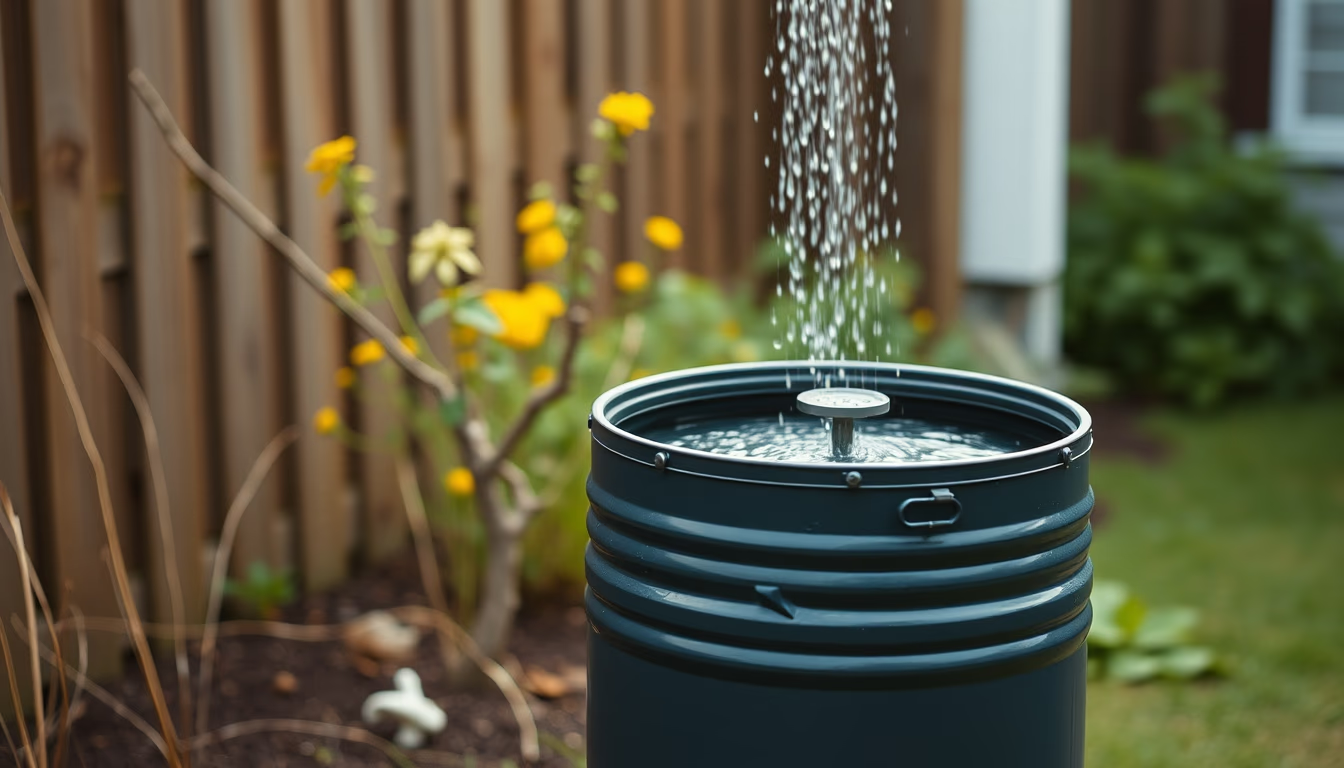
Rainwater collection barrels are simple and efficient systems to capture and store rainwater, reducing treated water consumption and aiding urban sustainability.
About this subject
Rainwater collection barrels, also known as domestic cisterns or rain tanks, are devices used to store rainwater that falls on roofs and other impermeable surfaces. The collected water can be used for garden irrigation, car washing, toilet flushing, and other non-potable purposes. In Brazil, rainwater harvesting is regulated by standards such as NBR 15527, which establishes requirements for the use of rainwater in urban areas.
These systems are particularly relevant in regions facing prolonged droughts or irregular water supply. In cities like São Paulo and Brasília, the adoption of collection barrels has grown as a measure of water resilience. Additionally, the practice helps reduce surface runoff, lowering the risk of floods and relieving pressure on urban drainage systems.
Historically, rainwater harvesting is an ancient technique, used by civilizations such as the Romans and the Maya. In modern times, barrels are made of materials like polyethylene, fiberglass, or metal, with capacities ranging from 50 to 500 liters. Advanced models include filters to remove debris and first-flush diverters to clean the roof before storage.
Although simple, installing a collection barrel requires care, such as choosing a level location and connecting to existing gutters. Maintenance includes periodic cleaning and leak checks. With growing concerns over water scarcity and climate change, rainwater harvesting is becoming an affordable, low-cost solution for domestic and community use.
Frequently Asked Questions
What are the main uses for rainwater stored in barrels?
Collected rainwater can be used for plant irrigation, car washing, floor cleaning, toilet flushing, and other non-potable activities. It is not recommended for human consumption without proper treatment.
How to install a rainwater collection barrel at home?
Basic installation involves placing the barrel under a downspout, connecting a downpipe, and optionally adding a filter. Ensure the barrel is on a level surface and has an overflow system to prevent flooding.
What are the environmental benefits of rainwater harvesting?
It reduces treated water consumption, decreases surface runoff that can cause flooding, and conserves water resources. It also contributes to urban sustainability and can lead to savings on water bills.
Direct URL
https://pub-c7d6a6ea828543ac903a74a341ccb2e1.r2.dev/imagens/rainwater-collection-barrel-lo-fi-disposable-camera-p2.avifHow to credit
Include a visible link back to UtilizAí. Copy one of the snippets below:
<a href="https://xn--utiliza-eza.com/en/midia/imagens/rainwater-collection-barrel-lo-fi-disposable-camera-p2">Rainwater collection barrel</a> by <a href="https://xn--utiliza-eza.com">UtilizAí</a>, licensed under <a href="https://creativecommons.org/licenses/by/4.0/">CC BY 4.0</a>.
[Rainwater collection barrel](https://xn--utiliza-eza.com/en/midia/imagens/rainwater-collection-barrel-lo-fi-disposable-camera-p2) by [UtilizAí](https://xn--utiliza-eza.com), CC BY 4.0
License: CC-BY-4.0