Public charging station
1344×768 · AVIF · CC BY 4.0
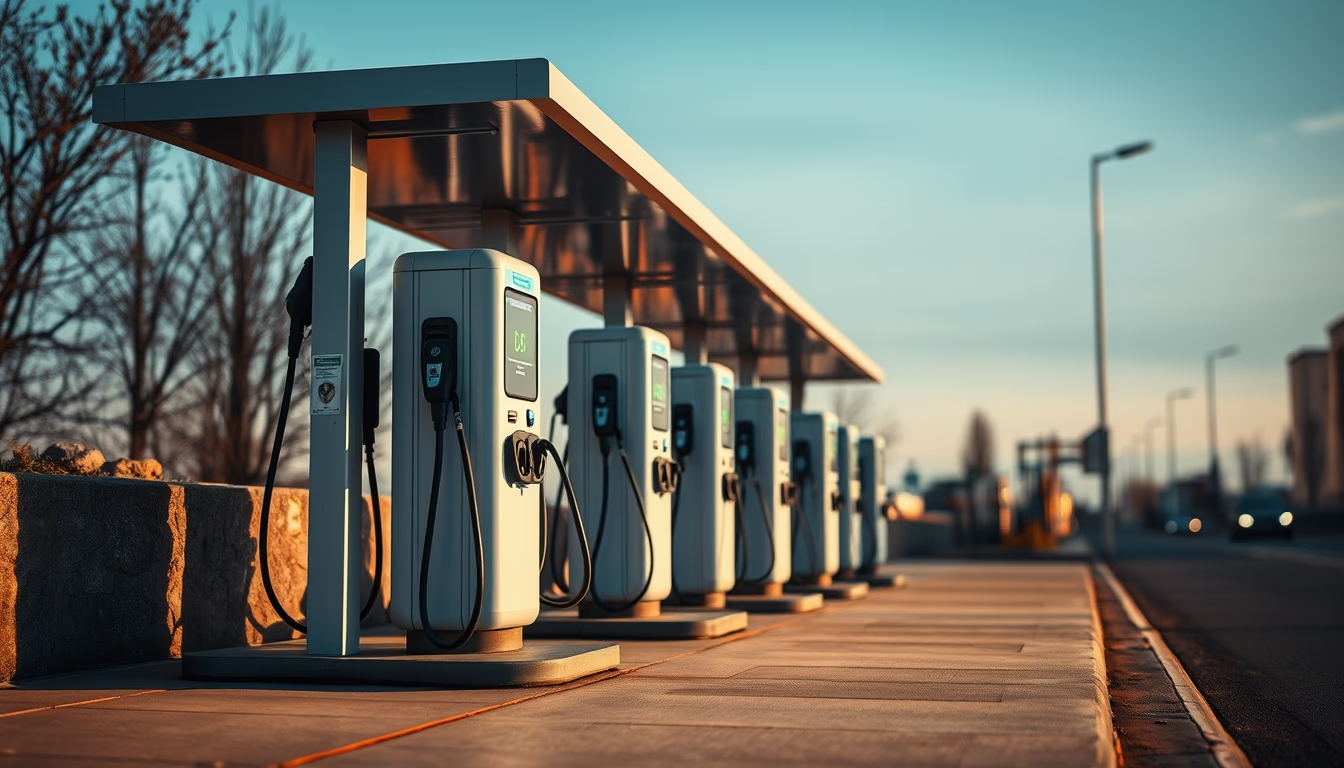
Public electric vehicle charging station at wineries and distilleries, blending sustainable mobility with wine and spirits tourism.
About this subject
Public electric vehicle charging stations are becoming increasingly common in rural properties, especially wineries and distilleries seeking to align tradition with sustainability. In Brazil, the number of electric cars grew over 60% in 2024, and many beverage establishments installed chargers to attract visitors who drive electric vehicles. These stations allow wine tourists to explore regions like Serra Gaúcha, São Francisco Valley, or Paraty without range anxiety.
Beyond charging, these points often integrate into the visitor experience. Some wineries and cachaça distilleries, for example, offer charging during tastings, encouraging longer stays and deeper engagement with the product. The initiative also reduces tourism’s carbon footprint, a growing priority for conscious consumers. Globally, destinations like Napa Valley (USA) and Bordeaux (France) have already adopted this practice, and Brazil follows the trend with projects such as the Electric Route in Rio Grande do Sul.
Installing a public charger requires electrical infrastructure investment, but many states offer tax incentives for renewable energy. In the beverage sector, solar power complements this solution: panels installed on winery rooftops help power the chargers, closing the sustainability loop. This blend of artisanal production and clean technology creates a competitive edge and strengthens brand image among young, engaged audiences.
Interestingly, the first public charging station at a Brazilian winery opened in 2021, at Vinícola Aurora in Bento Gonçalves. Since then, at least ten other properties have followed suit, including cachaça distilleries in Minas Gerais. By 2035, it is expected that all major wine and spirits routes in the country will have charging points, easing the transition to low-carbon mobility.
Frequently Asked Questions
How does a public charging station at a winery work?
Typically Level 2 (AC) or fast (DC) chargers are installed in the parking lot. Visitors plug in and enjoy tastings or tours while the battery charges. Many are free or pay-per-use via app.
Are charging stations common at cachaça distilleries?
Yes, especially in Minas Gerais and São Paulo, where cachaça tourism is growing. Distilleries like Havana (SP) and Vale Verde (MG) have installed stations to attract EV drivers.
What is the environmental impact of these stations in the beverage sector?
They reduce CO₂ emissions from tourism and promote renewable energy use. Combined with solar panels, they help wineries achieve carbon neutrality.
Direct URL
https://pub-c7d6a6ea828543ac903a74a341ccb2e1.r2.dev/imagens/public-charging-station-magazine-editorial-p2.avifHow to credit
Include a visible link back to UtilizAí. Copy one of the snippets below:
<a href="https://xn--utiliza-eza.com/en/midia/imagens/public-charging-station-magazine-editorial-p2">Public charging station</a> by <a href="https://xn--utiliza-eza.com">UtilizAí</a>, licensed under <a href="https://creativecommons.org/licenses/by/4.0/">CC BY 4.0</a>.
[Public charging station](https://xn--utiliza-eza.com/en/midia/imagens/public-charging-station-magazine-editorial-p2) by [UtilizAí](https://xn--utiliza-eza.com), CC BY 4.0
License: CC-BY-4.0